
Death And The Search For Meaning
BuddenbrooksThis thread follows the novel’s changing encounters with death, from early family losses to Thomas’s metaphysical insight and Hanno’s final illness.
increasing Bearing strength in each event
 decreasing
Bearing strength in each eventdecreasingA Family’s First Loss
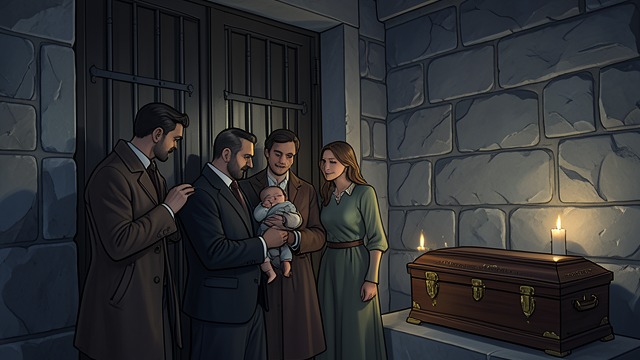
A Family’s First Loss
Mortality recorded
The family chronicle preserves illnesses, accidents, births, and deaths as part of ordinary family history.
Meaning through record
The entries place individual deaths inside a continuing lineage and give them a form of order.
The chronicle’s confidence will later be tested by the end of succession.
Elisabeth’s Struggle
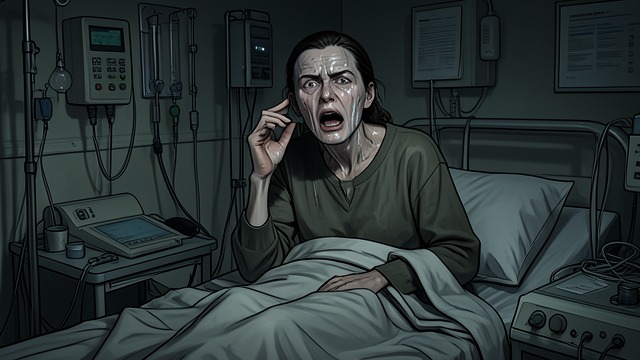
Elisabeth’s Struggle
Life resisted
Elisabeth watches her illness and fights to remain alive, even as pneumonia worsens.
No gentle passage
Her family witnesses prolonged suffering despite prayer, nursing, and medical attention.
Death is neither decorous nor easily reconciled with religious expectation.
Thomas’s Brief Revelation

Thomas’s Brief Revelation
Philosophy offers release
Reading Schopenhauer, Thomas experiences individuality as a prison and death as return from separation.
Knowledge cannot be retained
The insight fades after sleep, and daily duties prevent him from studying the book further.
A moment of spiritual certainty fails to become a lasting conviction.
Death In The Street
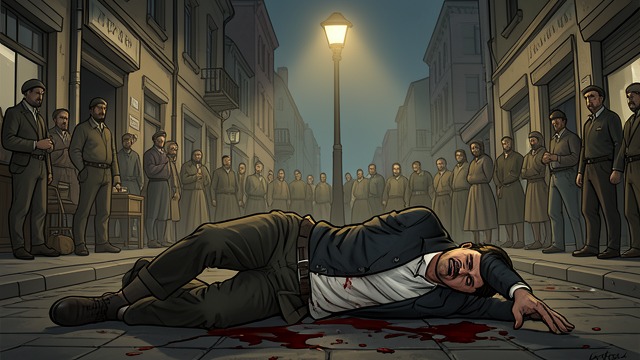
Death In The Street
An ordinary errand
A failed dental extraction leaves Thomas in pain as he walks home through town.
Sudden collapse
He dies in the street, an abrupt end at odds with the dignity he cultivated.
The body’s vulnerability defeats the senator’s elaborate self-control.
Hanno’s Final Crisis
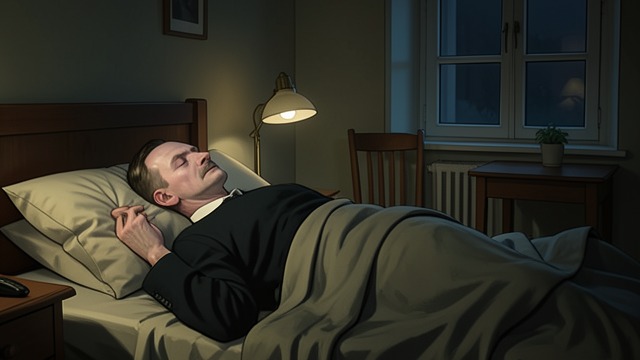
Hanno’s Final Crisis
Typhoid’s decisive stage
Hanno’s illness reaches a crisis from which he does not recover.
The family line closes
His death leaves no successor to the family firm or its name.
Mortality completes the novel’s movement from continuity to dissolution.
Late sixteenth century–early family history
Autumn 1874
Summer 1874
January 1875
1877
