
The Buddenbrooks’ Decline Through Their Homes
BuddenbrooksThis thread tracks how successive homes register the family’s wealth, aspirations, emotional refuge, and eventual dispersal.
increasing Bearing strength in each event
 decreasing
Bearing strength in each eventdecreasingThe Meng Strasse Purchase
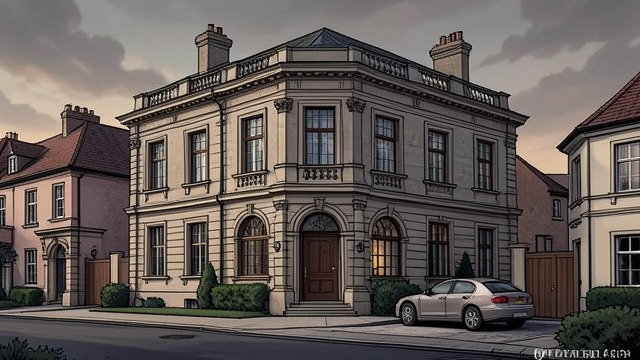
The Meng Strasse Purchase
Wealth made visible
The Buddenbrooks move into an expansive historic residence and present it as a fitting home for their firm.
A family institution
Its rooms accommodate commerce, ritual, and several generations of family life.
The house turns prosperity into architecture.
A Family House Of Ritual
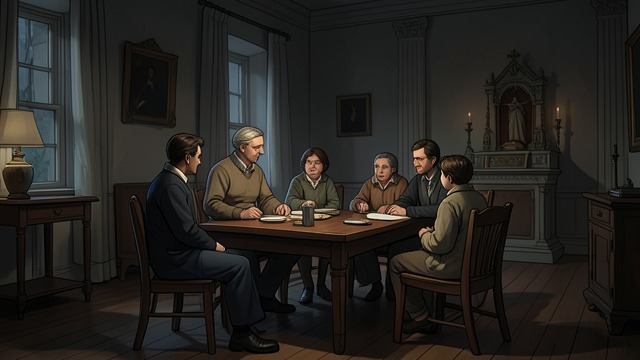
A Family House Of Ritual
Life across generations
Births, deaths, dinners, prayer, and business decisions take place beneath the house’s familiar rooms.
Memory gathers there
The residence becomes a setting in which family history feels tangible and inherited.
Its emotional value grows alongside its commercial importance.
Thomas Builds A New Home
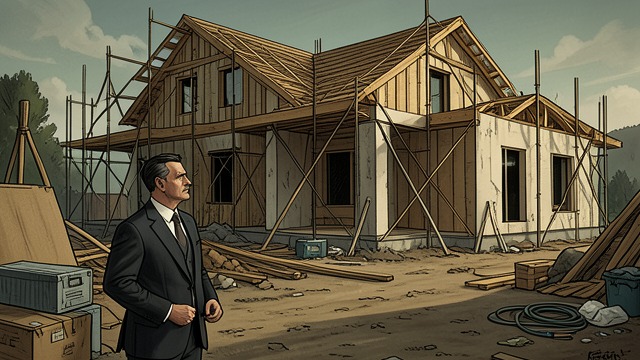
Thomas Builds A New Home
A fresh beginning
Thomas constructs a grand residence on Fischergrube after gaining civic and business prominence.
Visible success, inward doubt
The new house satisfies ambition but does not restore his former confidence.
The family’s centre shifts away from its ancestral address.
The Old Home Sold
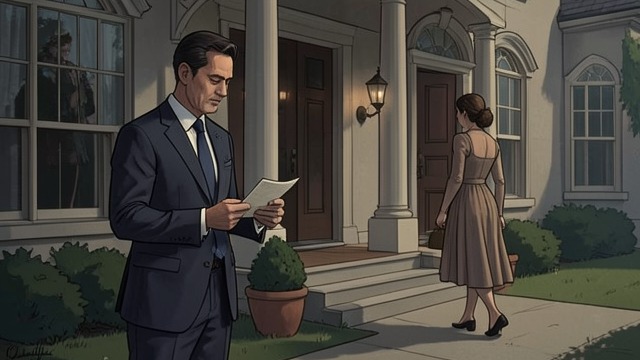
The Old Home Sold
An economic decision
After Elisabeth’s death, Thomas sells the Meng Strasse property to reduce unproductive real estate.
Hagenström takes possession
The family’s old residence passes to a rising commercial rival.
The transfer exposes how far inherited prestige has weakened.
The Last Villa Is Sold
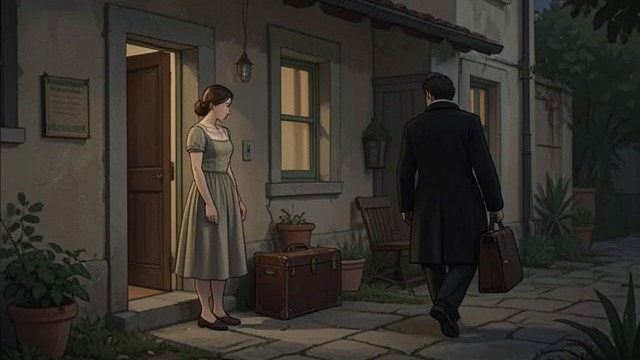
The Last Villa Is Sold
Estate dissolution
After Thomas’s death, Gerda sells the Fischergrube house and moves with Hanno to a smaller villa.
Departure from Lübeck
Following Hanno’s death, Gerda leaves for Amsterdam, taking none of the family’s former social world with her.
The sequence of homes ends in departure and dispersal.
1835
1838–1855
1863–1864
1871–1872
1875–1877
