
The Family’s Changing Faith
BuddenbrooksThis thread follows the movement from practical Lutheran observance through Elisabeth’s devotional household to a final uncertainty about death and reunion.
increasing Bearing strength in each event
 decreasing
Bearing strength in each eventdecreasingFaith In Daily Life
Faith In Daily Life
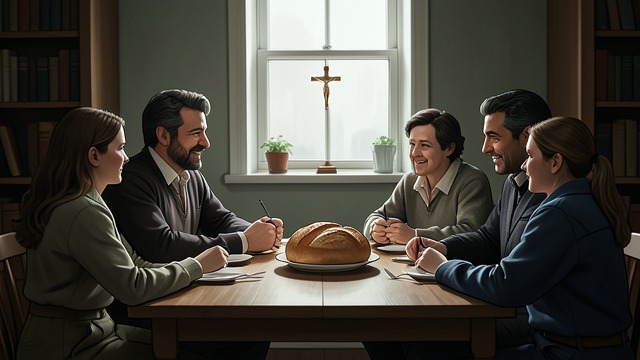
Religion as household custom
The family observes grace and churchgoing while treating some religious subjects with levity.
Practical faith and irony
The older generation combines familiar piety with business confidence and social amusement.
Faith is present but not yet the household’s dominant discipline.
Elisabeth’s Devotional Turn

Elisabeth’s Devotional Turn
A husband’s legacy
After Jean’s death, Elisabeth expands family prayers, missionary gatherings, and charitable work.
Piety inside privilege
Her religious life coexists with social distinctions and a carefully maintained household hierarchy.
Devotion becomes both consolation and family identity.
Tony Questions The Clergy

Tony Questions The Clergy
Piety meets experience
Tony mocks visiting clergy and doubts that religious dress guarantees moral integrity.
A worldly test
Her views reflect hard experiences of marriage, fraud, and social hypocrisy.
She resists religious authority without abandoning the family’s language of providence.
A Difficult Death
A Difficult Death
Prayer does not soften suffering
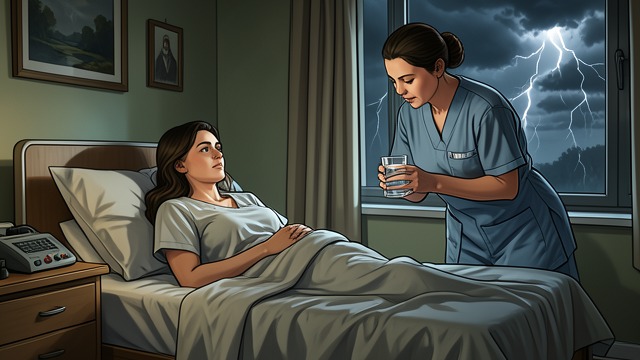
Elisabeth’s final pneumonia brings prolonged distress despite religious care and prayer.
Conflicting duties
The doctors refuse the narcotic she requests because their duty is to preserve life.
The death scene unsettles easy claims about providence and mercy.
Faith’s Last Assertion

Faith’s Last Assertion
Grief challenges belief
After Hanno’s death, Tony admits that suffering has made her doubt justice and goodness.
Sesame answers firmly
Sesame Weichbrodt insists that reunion after death is real, standing by the faith she has defended all her life.
The novel closes on conviction spoken against grief, not proven by it.
1835
1855–1860s
1860s
1874
1877
