
The Revolution Outside The Council
BuddenbrooksThis thread follows the 1848 unrest from anxious reports and political division to Thomas’s brief negotiation with the crowd.
increasing Bearing strength in each event
 decreasing
Bearing strength in each eventdecreasingRumours Reach The House
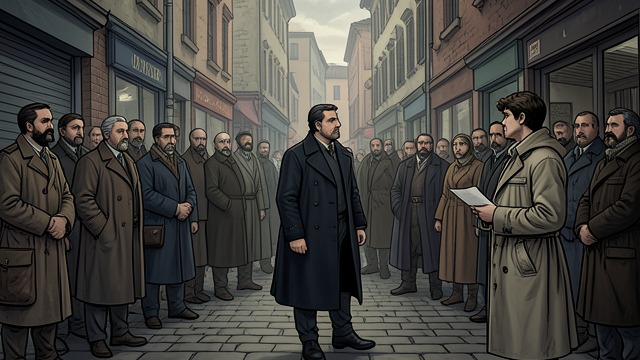
Rumours Reach The House
Street unrest
Reports of broken windows and shifting political demands unsettle the Buddenbrook household.
A household divided by fear
Elisabeth fears for Thomas, while he insists that civic duty requires him to attend the council.
The revolution arrives first as noise at the family’s threshold.
The Council Hesitates
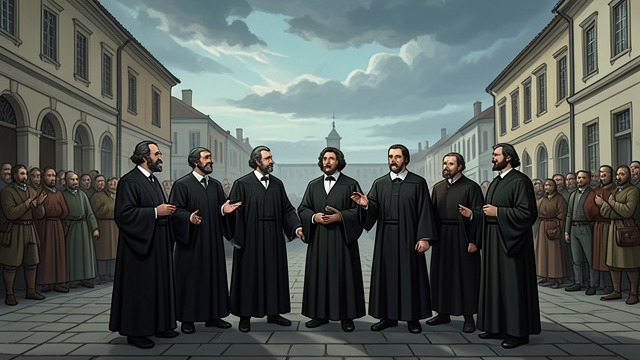
The Council Hesitates
Competing political claims
Council members debate restricted voting rights, universal franchise, and the crowd’s demands.
Fear paralyzes procedure
The assembly declines to open formally while workers gather outside and officials debate whether to wait or act.
The town’s respectable leaders discover that institutional authority can become indecision.
Gosch Welcomes The Storm
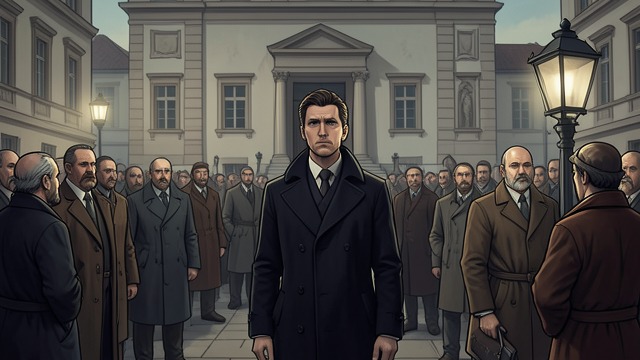
Gosch Welcomes The Storm
Aesthetic fascination
Siegismund Gosch sees the crowd as a rare, dramatic force and welcomes the disturbance’s sublime energy.
The consul chooses moderation
Thomas Buddenbrook rejects Gosch’s theatrical impulse and walks out to address the workers himself.
Their contrasting responses frame revolution as both political danger and desired spectacle.
A Clumsy Demand
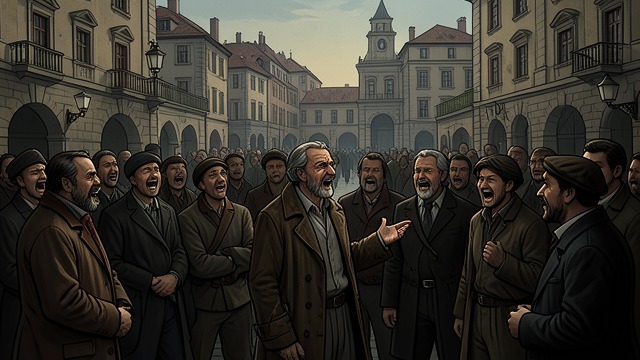
A Clumsy Demand
The crowd’s spokesman
Thomas questions Corl Smolt, who explains that the workers want a republic despite Lübeck already being one.
Tension breaks into laughter
The crowd’s laughter dissolves the immediate confrontation and allows it to disperse.
The comic resolution briefly restores civic order without resolving political conflict.
Kröger’s Fatal Humiliation
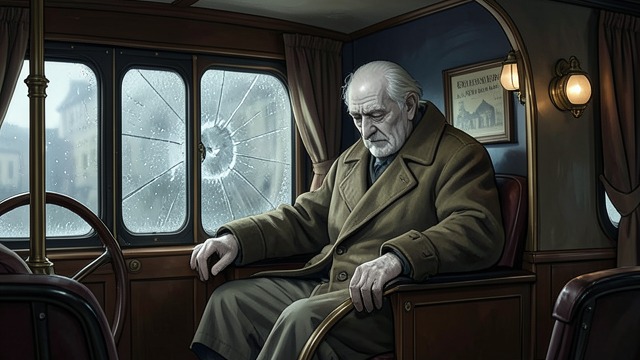
Kröger’s Fatal Humiliation
An old patrician’s anger
Leberecht Kröger feels publicly diminished by the crowd and the delayed return of his carriage.
A final blow
A boy’s stone strikes him inside the carriage; he collapses shortly after arriving home.
The old social order does not survive the day’s humiliations.
October 1848
October 1848
October 1848
October 1848
October 1848
