
The Mother’s Interrupted Return
Cœur de slushThis flow traces the emotional distance between Billie Fay and her absent mother, ending with a letter that makes both hurt and longing visible.
increasing Bearing strength in each event
 decreasing
Bearing strength in each eventdecreasingA Mother Leaves
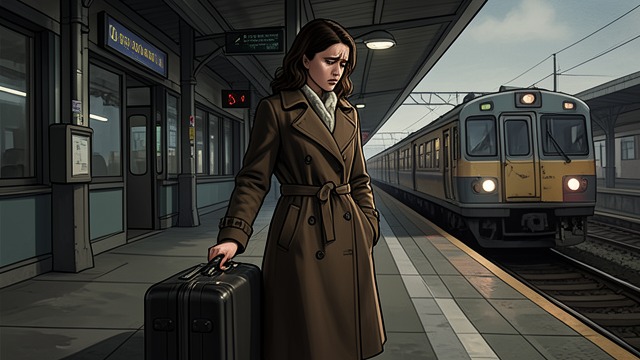
Leaving the Family Home
A new life elsewhere
Billie and Annette’s mother leaves to travel and work in warm places, leaving her daughters with their father. Billie imagines that her mother is avoiding the demands of adult family life.
Anger as protection
Billie Fay is angry about the sadness her mother has caused, especially in her father. Anger gives her a more manageable feeling than openly admitting that she misses her.
The Unread Message
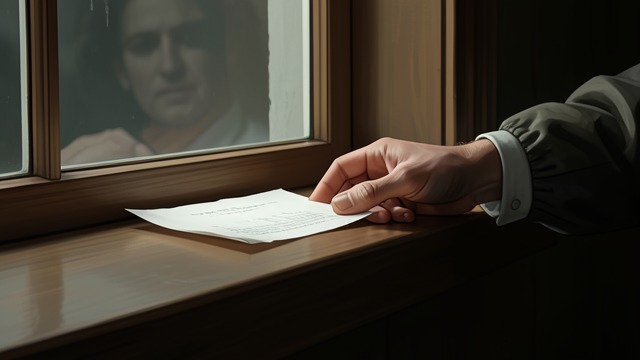
Refusing Contact
A note from home
Billie’s father tells her that her mother called and asks her to call back. Billie throws the note away rather than responding.
Distance maintained
Her refusal is not evidence that the relationship means nothing. It shows how she uses avoidance to keep the mother’s absence from becoming an immediate conversation.
The Letter Waits
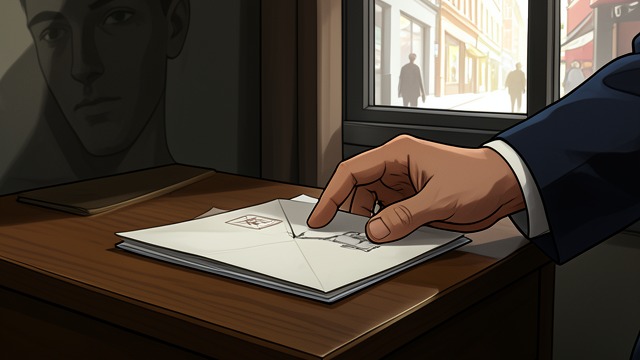
Words Held Back
An envelope on the bedside table
Billie and Annette’s mother sends a handwritten letter, but Billie Fay leaves it unopened. The letter becomes a physical reminder of a relationship Billie is not ready to face.
Attention elsewhere
Billie’s fixation on Pierre Forêt competes with the older family question. Romance offers immediate intensity, while the letter asks her to look at a longer-lasting loss.
The Mother’s Warning
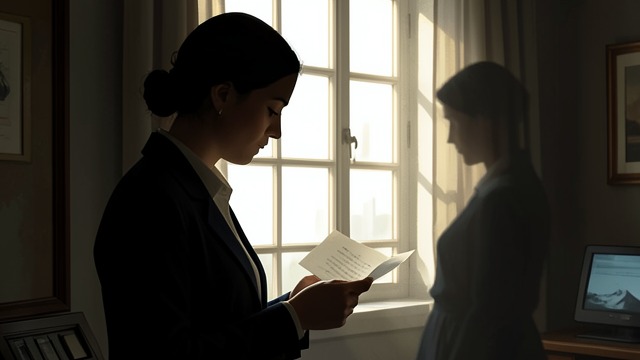
A Message about the Summer
Seeing the risk
Billie and Annette’s mother writes that she knows Billie’s first great summer may hurt her heart. She urges Billie to be careful around what shines too brightly.
Belated understanding
The letter anticipates Pierre’s effect without naming him. Because it arrives from an absent mother, its warning carries both affection and the ache of advice given from far away.
Longing for Her Return
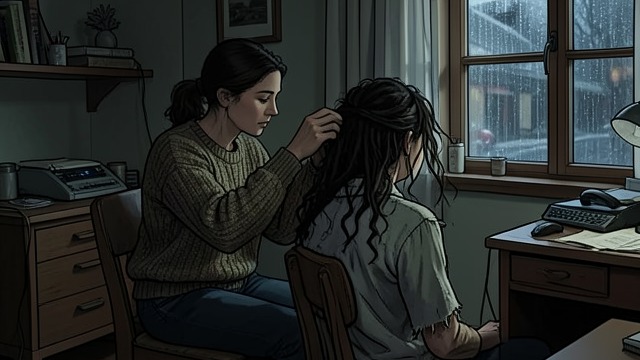
Imagining Home Again
Everyday reunion
Billie Fay imagines her mother returning, unpacking clothes, and brushing Billie’s tangled hair. The imagined acts are ordinary forms of care rather than dramatic apologies.
An unresolved future
Billie still wants her mother home, though no return occurs in the story. The ending lets longing remain a real part of Billie’s family life instead of pretending the letter repairs everything.
before the summer, when the mother departs
the morning after the country party
the first weeks of college
in early August, as described in the letter
near the ending, after Billie reads the letter
