
The Conflict Between Romance and Reality
Cœur de slushThis flow follows Billie Fay’s romantic ideals as they encounter the awkwardness, silence, and incomplete reassurance of real relationships.
increasing Bearing strength in each event
 decreasing
Bearing strength in each eventdecreasingA Cinematic Ideal

Love as a Rescue
Desired transformation
Billie Fay hopes a boy’s arms will catch her as she falls, changing her ordinary life into a meaningful story. Films and imagined romances give her a script for being desired.
An ideal with risks
The script makes love seem like rescue from loneliness. It also makes ordinary uncertainty feel like failure before Billie has experienced real intimacy.
The Letter to a Stranger

Romance from a Brief Encounter
A small kindness
An Australian driver takes Billie Fay home and laughs about his dog. The ride is brief, but Billie writes an intense love poem imagining that she is his girlfriend.
Feeling outgrows fact
Her poem transforms a kind stranger into a romantic figure. The episode shows how readily Billie uses art to enlarge small moments into stories of belonging.
The Perfect-Kiss Expectation
A Real Kiss Falls Short
Physical intensity
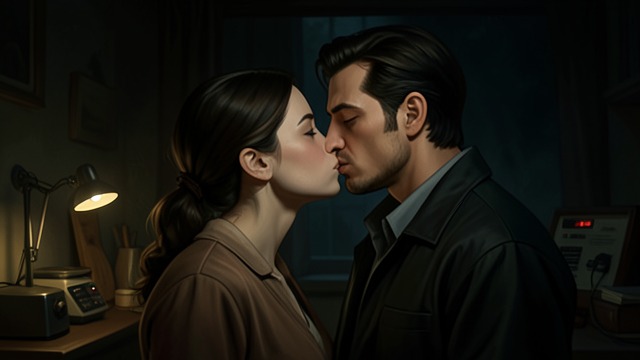
Billie Fay kisses Pierre Forêt and feels strong bodily excitement. Yet she watches his closed eyes, searching for evidence of affection that the kiss does not provide.
The missing fireworks
The encounter contains desire but not the romantic confirmation Billie wants. Her disappointment reveals that physical closeness cannot automatically make two people emotionally aligned.
The Awkward First Time
A Scene Unlike the Fantasy
No cinematic ritual
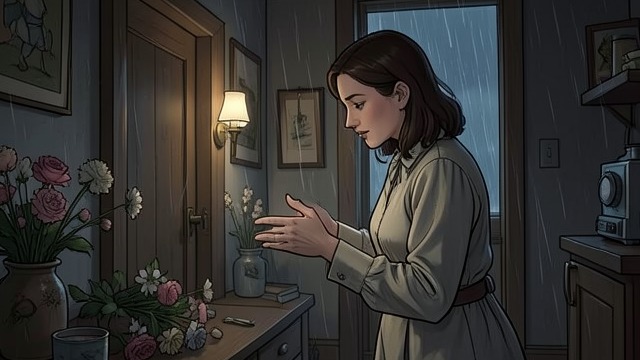
Billie Fay arrives at a small, dark room and struggles to know what to do. The setting and the encounter are awkward, far from her imagined ceremony of petals, promises, and romance.
Meaning without perfection
She does not dismiss the event as meaningless, but neither does she call it beautiful simply because it is a first. Reality makes room for mixed feelings that the fantasy could not accommodate.
The Unfinished Ending

No Romantic Resolution
Silence remains
Pierre Forêt does not answer Billie Fay’s later invitation. She cannot turn their relationship into a neat story with an explanation and a final declaration.
A less idealized view
Billie’s summer teaches her that desire and love can coexist with confusion, disappointment, and absence. The ending values emotional honesty over a promised happy ending.
late August, before the country party
the previous summer, after a ride with an Australian stranger
the first college Monday, during the Sherbrooke outing
early autumn, at Pierre’s Blue House
near the ending, after Billie’s invitation goes unanswered
