
The Conflict of Being Seen
Cœur de slushThis flow traces Billie Fay’s struggle between wanting to be desired and fearing the judgments that come with being looked at.
increasing Bearing strength in each event
 decreasing
Bearing strength in each eventdecreasingThe Sister’s Reflection
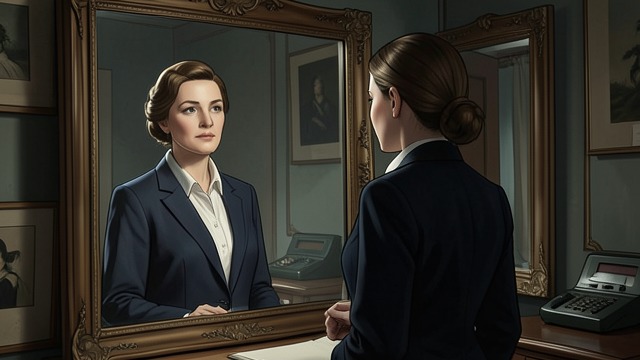
Beauty under Comparison
Measuring herself
Billie Fay compares her looks with Annette’s polished hair, clothing, and confidence. She wants the power to attract attention without feeling like an inferior copy of her sister.
A fragile self-image
Her hope to be seen as beautiful is tied to a larger wish to become a woman. The mirror therefore measures belonging and maturity as much as appearance.
The Workday Encounter
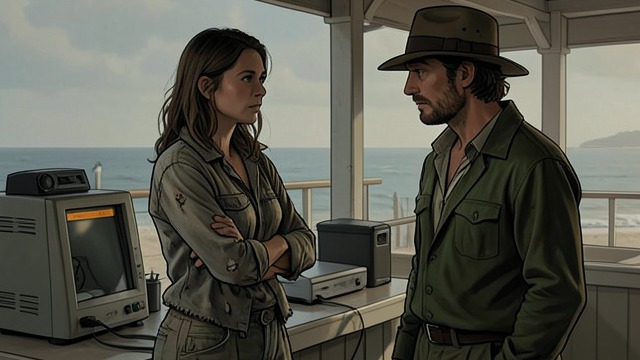
Seen at the Wrong Moment
A working body
Pierre Forêt finds Billie Fay at her lifeguard station in a sweat-soaked, improvised work outfit. She tells him to leave before he can see how exposed and unprepared she feels.
Rejection as protection
Her sharpness shields her from embarrassment, but she regrets it once he is gone. She wants to control not only whether Pierre sees her, but which version of herself he sees.
The Mauve Dress
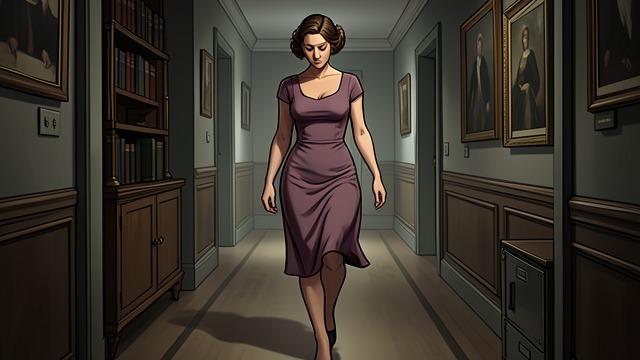
Clothing and Confidence
Choosing visibility
Billie Fay wears a fitted mauve dress instead of the black outfit she had planned. She hopes the color will brighten her eyes and make her seem more grown.
Self-conscious attention
The dress rides up as she walks, and Billie worries about how Pierre Forêt might judge her. Her attempt to be seen on her own terms remains vulnerable to his imagined gaze.
The Undressing in the Dark
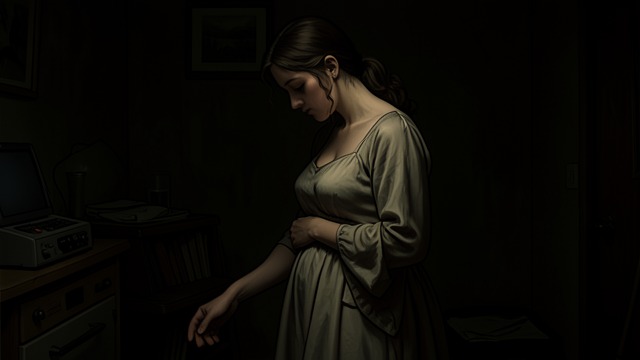
Exposure and Uncertainty
Preparing to be seen
Billie Fay undresses in the dark without knowing whether Pierre Forêt expects her to move quickly or how she should act. The experience makes her bodily visibility feel frightening rather than glamorous.
A private judgment
She worries about being sticky, awkward, and unattractive. The encounter reveals the difference between wishing to be desired and feeling safe under another person’s gaze.
The Unreturned Look
Imagining His Perspective
Billie wonders what he sees
After meeting Pierre Forêt on the road, Billie Fay wonders whether her hair, freckles, and face look beautiful to him. She wants access to his perception as if it could settle her own self-worth.
A developing independence
Her question remains unanswered, but recognizing it helps expose the dependence on external approval. Being seen cannot by itself tell Billie who she is.
late August, while preparing for the party
the last hot afternoon of the summer
the first day of college
early autumn, at Pierre’s Blue House
early autumn, after the cycling encounter
