
The Meaning of Playing Red Indians
Casino RoyaleThis flow traces the phrase that turns Bond’s heroic self-image into a critique of professional violence and political certainty.
increasing Bearing strength in each event
 decreasing
Bearing strength in each eventdecreasingThe Accusation
The Accusation
A childish metaphor
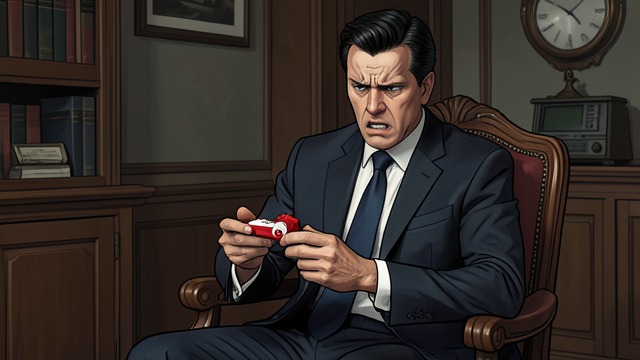
Le Chiffre mocks Bond for playing Red Indians and imagines him as a child sent out with toys by his London superiors. The taunt is meant to belittle Bond while he is physically helpless.
An idea survives the torment
The phrase remains with Bond because it describes more than the captor’s contempt. It gives shape to the suspicion that Bond’s professional adventures have sometimes resembled simplified games of heroes pursuing villains.
The Double-O Myth
The Double-O Myth
A status reconsidered
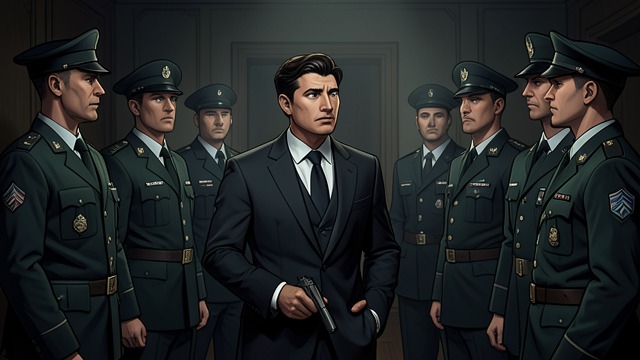
Bond describes the deaths that earned him his Double-O number and remembers how clever and tough he felt afterward. The credential once gave him a clear professional identity.
The enemy’s mirror
When Le Chiffre turns the violence against Bond, the distinction between killer and victim becomes less comfortable. Bond begins to see that a prestigious status does not settle whether a killing was just.
The Changing Political Map
The Changing Political Map
Ideology in motion
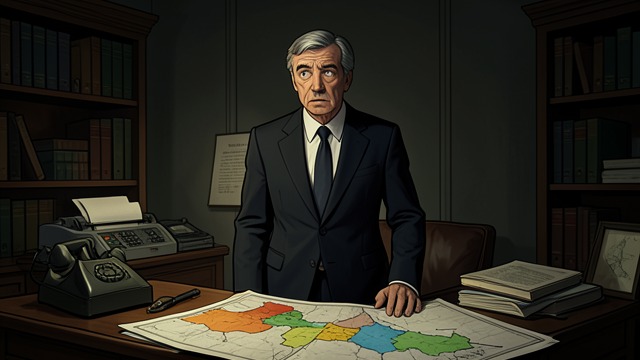
Bond argues that political labels change across history and that a position treated as dangerous in one era may later appear ordinary. He doubts that patriotism alone can provide a permanent moral test.
A risky conclusion
His uncertainty threatens to blur real differences between aggressors and victims. Mathis’s response insists that political complexity cannot make personal cruelty disappear.
A Villain’s Reality
A Villain’s Reality
Personal harm clarifies judgment
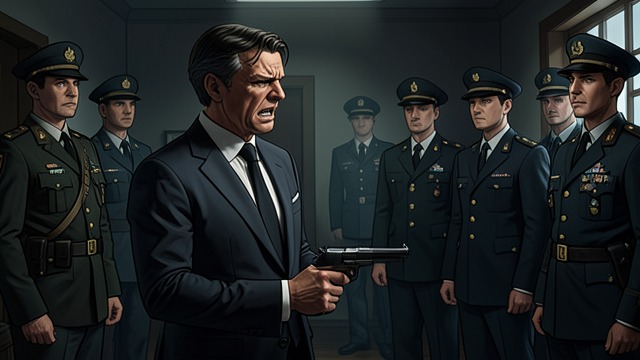
Mathis asks whether Bond would kill Le Chiffre if given the chance, and Bond admits he would act from revenge. That honest answer makes the moral issue personal rather than theoretical.
Human consequences
Mathis argues that future enemies will threaten Bond and people he cares about. The phrase about playing games becomes a warning against treating violence as spectacle without considering its victims.
The Game Ends Differently
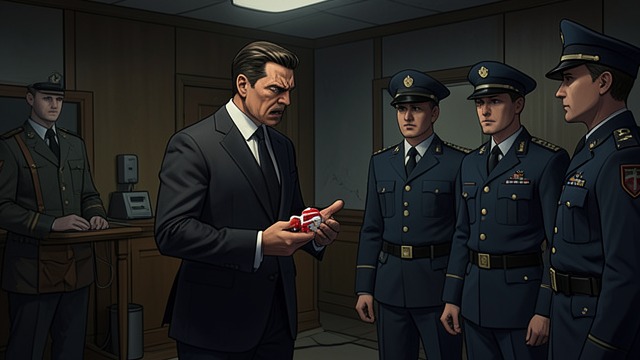
The Game Ends Differently
The real enemy at home
Vesper’s confession reveals that an adversary had been working beside Bond while he pursued a visible enemy. The idea of a game collapses under the discovery that the decisive danger was intimate and concealed.
A harder purpose
Bond resolves to hunt SMERSH and no longer treats the assignment as a bounded contest at a Casino. The metaphor that began as an insult becomes a judgment on his former assumptions and a reason to change targets.
During Le Chiffre’s interrogation
During Bond’s convalescence
During Bond’s argument with Mathis
Near the end of Bond’s recovery
After Vesper’s death
