Postwar period
Casino RoyaleThe Postwar period in the novel is not a clean break with wartime violence but a time when its consequences are redirected into reconstruction, intelligence work, and new contests of loyalty. Royale’s refurbished resort economy and the secret-service dossiers that frame the story offer contrasting views of the same historical moment: one seeks to restore an image of leisure and prosperity, while the other continues to sort people according to wartime histories and political allegiance.
Reconstruction and Royale
The postwar revival of Royale begins against a wider return of interest in established holiday destinations. Brighton and Nice had revived, and in 1950 a Paris syndicate with funds belonging to expatriate Vichyites saw potential in nostalgia for more prosperous times. The casino was restored in white and gilt; its rooms were redecorated in pale grey and wine-red, chandeliers were rehung, and the gardens, fountains, and two principal hotels were renewed. The town and vieux-port, despite their wartime damage, also presented a more welcoming face, as Parisian jewellers and couturiers occupied the main street for a season.
This makeover was tied to a commercial gamble. The Mahomet Ali Syndicate was persuaded to establish a high-stakes game at the Casino Royale, with the hope that Royale might recover some of the revenue associated with Le Touquet. The resort’s elegant surface therefore carries a postwar tension: it evokes an older prosperity even as the casino’s renewed fortunes depend on money and visitors in the present. For James Bond, standing in the sunshine amid this sparkling setting, the mission feels remote from the public world of recovery and luxury.
Wartime aftermath in intelligence records
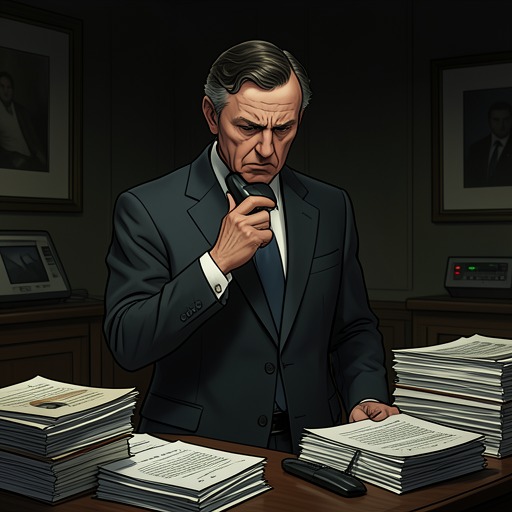
The postwar setting also determines how intelligence agencies interpret the past. A memorandum sent from Station S to M presents information as an institutional dossier, turning uncertain histories into material for current operations. Le Chiffre’s record begins with his discovery as a displaced person in the Dachau DP camp in the US Zone of Germany in June 1945. He claimed amnesia and paralysis of the vocal chords, later recovering his speech while continuing to claim loss of memory. Transferred to Strasbourg in September 1945 on a stateless passport, he adopted a name meaning that he was only a number on a passport; his origin remained unknown.
The dossier situates these records within the evolution of SMERSH. The organization was believed to have been responsible for the assassination of Trotsky in Mexico in 1940, then expanded during the Soviet retreat of 1941 to deal with treachery and double agents. At that stage it served as an execution squad for the NKVD, before the postwar purge and reorganization that left it, according to the account, with a more selective mission and a small, highly trained body of operatives. The historical sequence makes the end of the war a change in method, not an end to political violence.
Personal histories and postwar loyalties
The characters’ own accounts show how wartime experience continues to shape service and self-understanding. Vesper explains that, as personal assistant to the Head of S, she was brought into the operation as a liaison at his request, with M’s approval. Her assignment brought her into contact with Bond and René Mathis, linking routine interdepartmental cooperation to a mission conducted in Royale’s revived setting.
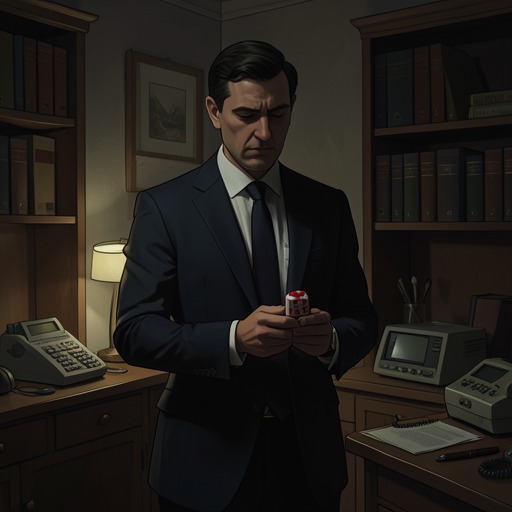
Bond’s account of his earlier assignments makes the cost of postwar intelligence work personal. He describes killing a Japanese cipher expert in New York from a distance, then killing a Norwegian double agent in Stockholm in a covert operation that proved more difficult. Those actions earned him a Double-O number, which he explains signifies that an agent has killed in cold blood during a mission. The juxtaposition of the two cases unsettles the simple division between heroic service and villainy: Bond recognizes that people caught on opposing sides of the conflict may not fit the moral labels attached to their roles.
Historical significance
The Postwar period functions as a double frame for the novel’s present. In Royale, reconstruction makes the past into an attractive public image—restored buildings, renewed hotels, and seasonal luxury—while beneath that spectacle the casino becomes a site for a high-stakes operation. In the intelligence narrative, the same period is organized through files, aliases, shifting agencies, and the continuing problem of divided loyalties. The contrast links the resort’s visible renewal to a less visible persistence: the war has ended, but its institutions, secrets, and moral complications still govern what happens next.