
Louise’s Mental and Physical Decline
Chanson douceIsolation, illness, financial pressure, and a growing sense of exclusion erode Louise’s ability to care for herself and the children.
increasing Bearing strength in each event
 decreasing
Bearing strength in each eventdecreasingAn Illness at the Studio
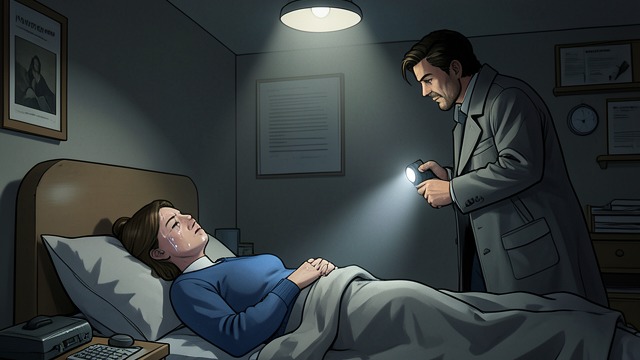
The Body Stops
A day in bed
Louise develops fever and severe throat pain but cannot bring herself to answer Myriam’s calls. She knows the family is waiting and remains under the covers.
Duty and incapacity collide
Her absence terrifies Myriam, who first imagines abandonment or disaster. Louise’s later apology is sincere, but the episode shows that devotion cannot make her body inexhaustible.
The Apartment as Niche

A Narrowing Refuge
A bleak private room
Louise returns to the dirty windows, failed shower, and moldy studio that she cannot afford to repair. She fears aging there, alone and without anyone to notice her decline.
Despair gains language
A doctor’s phrase, “delusional melancholy,” enters her flower-covered notebook. Naming her state lends it a strange poetic shape but does not make it less consuming.
The Empty School Run
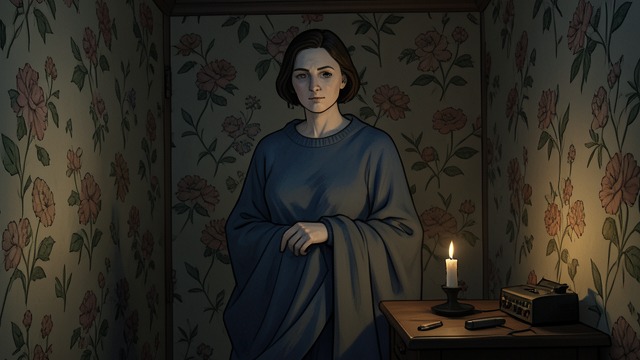
A Routine Without Its Purpose
A panicked departure
Louise wakes late and races to collect the children, only to remember that they are on vacation. The familiar obligation has continued in her mind after the people who gave it meaning have gone.
Dependence exposed
The mistake shows how completely her daily structure is organized around the Massé children. Without their schedule, Louise has no independent plan for the day or for herself.
The Landlord’s Visit
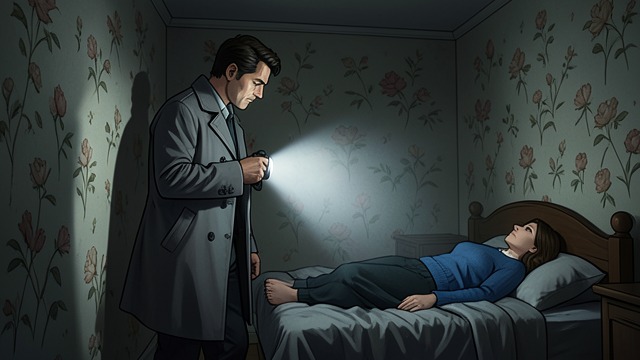
Precarity at the Door
The broken shower
Bertrand Alizard finds the ruined shower and blames Louise for neglect. He hints that she should pack because another tenant is expected, while using the repair to reinforce his control over the studio.
No alternative home
Louise does not tell him that she experiences the Massé apartment as her true home. Her silence protects the fantasy but leaves her vulnerable to eviction and further isolation.
The Last Signs
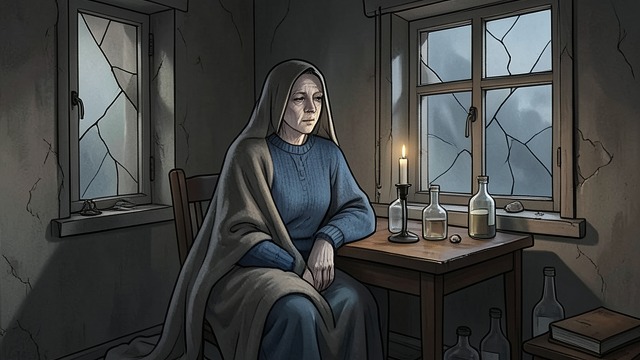
Withdrawal from the Children
A changed caregiver
Louise leaves the television on, avoids the square, and grows irritated by the children’s voices and repeated demands. She recognizes thoughts of harming Adam and tries to push them away.
A declared breaking point
A refrain enters her mind: someone must die for them to be happy. The thought signals a collapse in her capacity to care, though it does not fully explain the violence that follows.
After the Trésor public confrontation
During the illness and recovery
During the summer when the Massés are away
Later in the summer
The day before the murders
