
Care, Stories, and Abandonment
Chanson douceLouise’s stories and games offer children imaginative intimacy while repeatedly staging disappearance, fear, and the possibility of being left alone.
increasing Bearing strength in each event
 decreasing
Bearing strength in each eventdecreasingCruel Stories Begin
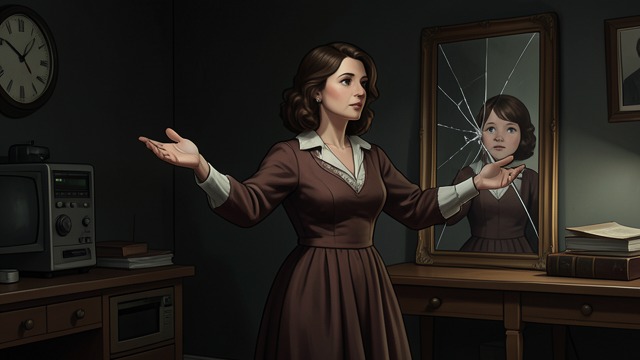
Tales from a Dark Imagination
Lost children and imprisoned princesses
Louise tells Mila stories of orphans, abandoned castles, and strange creatures. The tales emerge effortlessly, as if drawn from a dark reservoir within Louise.
Imagination carries biography
The stories entertain the child while echoing Louise’s own history of exclusion and loss. Their cruelty is not separate from care; it is woven into the way she tries to create closeness.
Play at Total Power
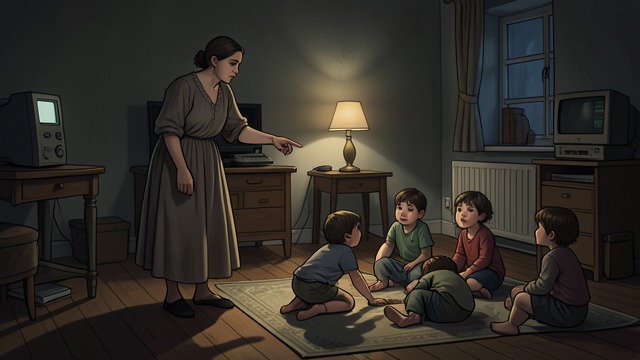
Games Without Boundaries
Louise controls the rules
Louise creates elaborate pretend worlds and asks the children to follow her scenarios. She treats play with a seriousness that gives her temporary command over their attention.
Affection and control overlap
The children enjoy her inventiveness, but Louise’s need to direct every detail hints at how much she depends on being necessary. Play provides joy and a form of possession at once.
The Missing Nanny
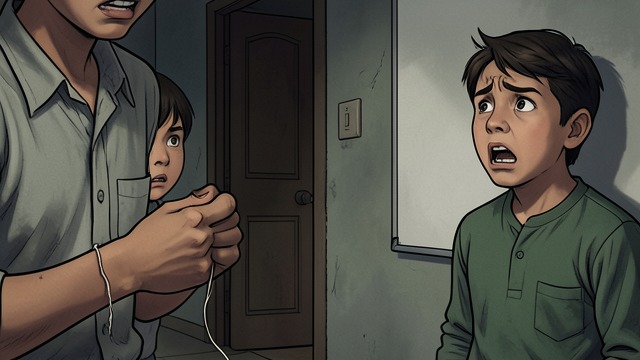
Abandonment as Entertainment
The children search
Louise hides without announcing the beginning or ending of the game. Mila and Adam call, cry, and fear that she has really gone.
An unequal game
Louise remains concealed, observing their distress until their panic becomes unbearable. What she calls play reproduces the children’s fear of abandonment while giving her control over the moment of reunion.
The Park Warning
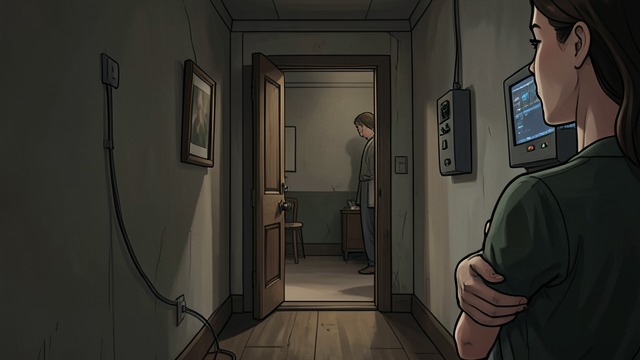
A Story Used as Discipline
The threat of being stolen
Louise tells Mila that a stranger could take her and keep her away from her parents. She speaks quietly while holding the child too tightly.
Safety becomes fear
The warning makes obedience feel necessary but also burdens Mila with Louise’s terror. Care is no longer simply protection; it teaches the child to inhabit the caregiver’s anxiety.
Stories Lose Their Magic
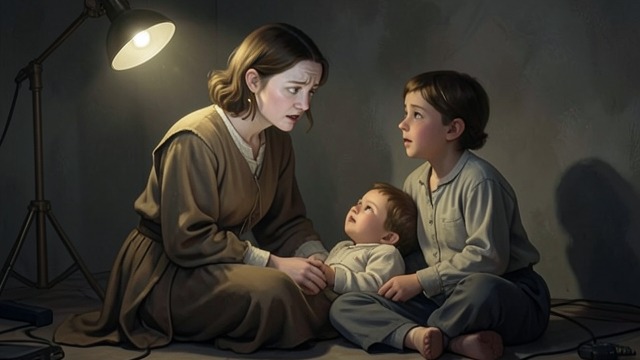
The Imagination Falters
Repetition becomes exhausting
Louise’s tales grow confused and the children ask for something else. She can no longer give the games the energy they once carried.
Emotional depletion surfaces
The failing stories mark the decline of a relationship that had been built around Louise’s ability to entertain and soothe. When she can no longer perform care, her fragile sense of purpose begins to collapse.
After Mila starts trusting Louise
During Mila and Adam’s early years
During the recurring hide-and-seek game
After Mila is found at the amusement park
In the months before the murders
