
A Domestic Worker’s Invisible Life
Chanson douceLouise’s public identity as a perfect nanny conceals a history and private life that the employer family and surrounding community barely perceive.
increasing Bearing strength in each event
 decreasing
Bearing strength in each eventdecreasingA Perfect Exterior
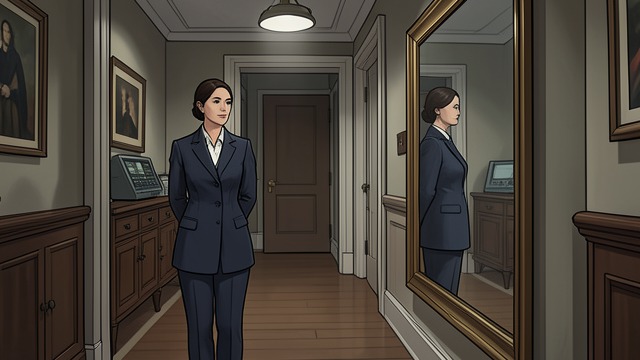
The Nanny as an Image
Deliberate presentation
Louise cleans her shoes, arranges her clothing, paints her nails, and prepares carefully for work. She wants to arrive as someone composed and reliable.
A role replaces a biography
Myriam and Paul first see the polished caregiver, not the bereaved woman with debts, a distant daughter, and a fragile home. The exterior earns trust while keeping her history concealed.
A Notebook of Tasks

The Record Keeper
Details remembered
Louise records appointments, medicines, prices, and comments from the children’s teacher in her flower-covered notebook. The notes make her care systematic and dependable.
A private archive
The notebook also becomes one of the few places where Louise’s own observations can accumulate. Her written record preserves traces of a life that otherwise remains largely unspoken.
Other Nannies See the Role

Colleagues at a Distance
Louise’s reserve
Other nannies find Louise formal and difficult to know, even as they observe her skill and the employers’ praise. They ask where she worked and whether she has children of her own.
Shared secrets remain guarded
The women understand why someone might refuse to explain herself. Their own hidden histories make them cautious, so recognition exists without full disclosure.
The Police Search Her Past

A Life Investigated
Testimony gathered
Nina Dorval questions former employers, doctors, neighbors, and nannies, trying to understand Louise’s history. Each witness knows a different fragment, and none can claim to have known her fully.
The stranger remains
The investigation collects facts but cannot turn them into a complete portrait. Louise’s social invisibility persists even when the police make her life the subject of intense attention.
The Street Without the Children

Louise Outside Her Role
A rare sighting
Myriam sees Louise walking alone, apparently browsing shop windows. The absence of the children makes the nanny seem unfamiliar and independent.
The limits of being seen
Myriam wonders about Louise’s private existence, but the moment passes without conversation. Recognition arrives as curiosity, not as knowledge or support.
Louise’s first morning at the Massé home
During Louise’s early months in the household
During the months at the neighborhood square
The months after the murders
The evening Myriam glimpses her in traffic
