
Louise and the Children
Chanson douceThe children’s affection for Louise grows through caregiving and play, while her attachment turns increasingly coercive and frightening.
increasing Bearing strength in each event
 decreasing
Bearing strength in each eventdecreasingAdam’s Early Attachment
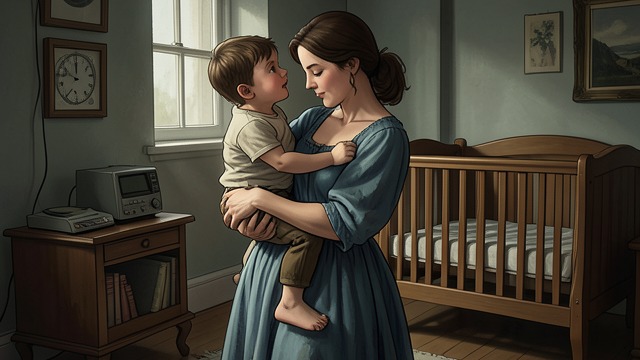
A Caregiver Becomes Familiar
Daily tenderness
Louise carries Adam close, sings to him, massages him, and takes pride in his growth. He begins walking and sleeps more peacefully under her care.
A bond built by routine
Adam’s open trust makes Louise feel central to the household. The tenderness is genuine, but it also strengthens her belief that the child’s affection belongs uniquely to her.
Mila’s Difficult Courtship
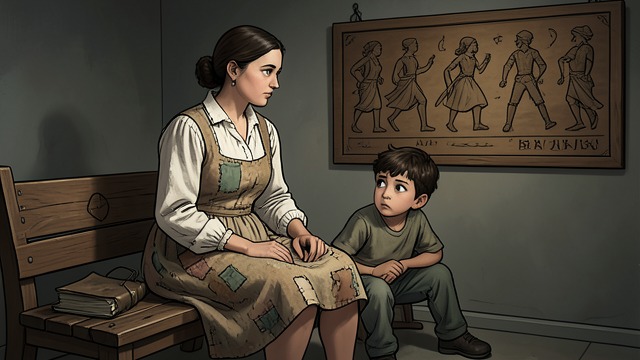
Winning Mila’s Confidence
Resistance and testing
Mila is defiant, often provoking Louise in public and watching how far she can push her. At other times she returns to the nanny for comfort and forgiveness.
Stories create closeness
Louise invents recurring tales of lost children, imprisoned princesses, and strange creatures. Mila becomes captivated by them, not recognizing how much abandonment and danger they carry from Louise’s own inner world.
The Disappearance Game
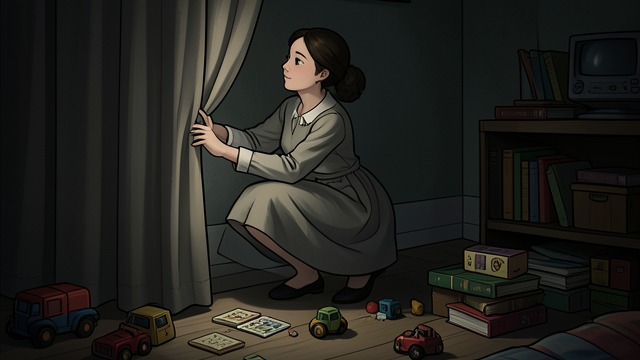
Hide-and-Seek Without Rules
Fear as entertainment
Louise hides and refuses to answer while Mila and Adam call for her in increasing distress. She watches their panic from concealment rather than ending the game.
A boundary crossed
Mila eventually discovers the hiding place, and Louise bursts out so abruptly that the child falls. Their laughter afterward masks a game in which adult power has turned genuine fear into amusement.
A Child’s Secret
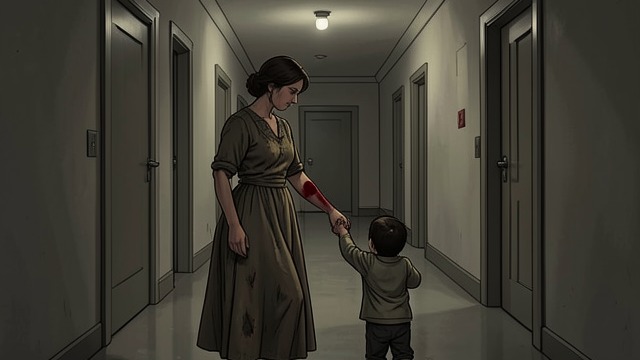
Shared Injury
The park episode
After Mila wanders away, Louise frightens her with a story about being stolen. Mila bites Louise hard enough to leave a lasting scar.
Silence binds them
Louise tells Myriam neither about the disappearance nor the bite. The child and nanny each hold a grievance, and secrecy briefly gives their unequal relationship the appearance of mutual intimacy.
The Final Bath
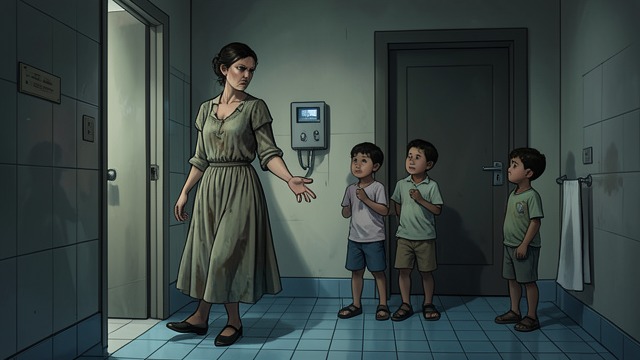
Caregiving Becomes Violence
An ordinary ritual
Louise calls the children to bathe, using a familiar household routine that would usually reassure them. The later reconstruction cannot recover exactly what they expected or feared in that moment.
The bond is destroyed
The caregiving relationship ends in violence, making every earlier gesture of tenderness newly uncertain. The children’s trust, which Louise treated as proof of belonging, cannot protect them from her crisis.
The first weeks after Louise arrives
The first months of Louise’s employment
During the children’s early years
After Mila bites Louise
The afternoon of the murders
