Ella and Juliette talk through their conflict
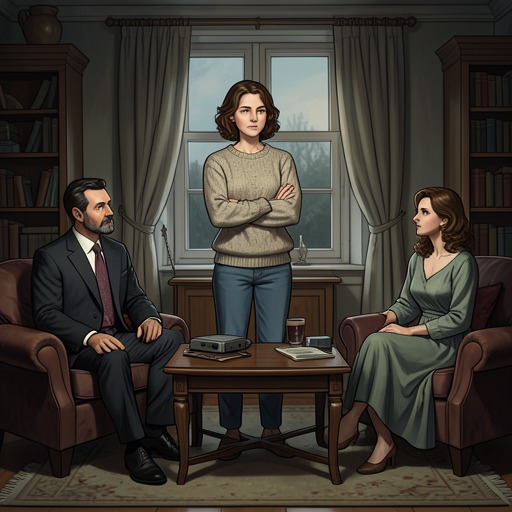
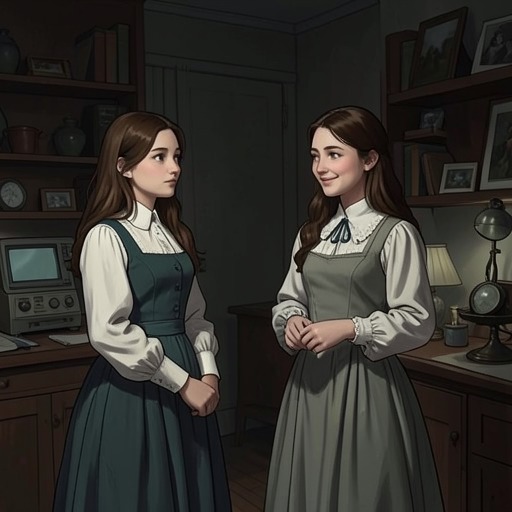
Cinder & EllaElla and Juliette talk through their conflict not by dissolving it, but by naming the losses and loyalties that have made them adversaries. Juliette explains that Anastasia feels threatened by Ella’s place as Rich’s biological daughter, while Juliette herself resents what she sees as Ella’s cruelty toward their parents. Ella answers with the childhood abandonment that makes the family’s affection for Juliette and Anastasia painful to witness. Their exchange ends with Ella’s sincere apology and Jennifer listening from the stairs: a moment of recognition, but not a ready-made reconciliation.
What Lies Beneath the Hostility
The conversation begins after Juliette has helped Ella with schoolwork and spoken to Vivian on her behalf. When Ella thanks her, Juliette initially shrugs off the help; pressed to explain, she says that Anastasia is behaving foolishly and that she is tired of the drama. Ella keeps to herself at school, Juliette observes, while Anastasia tries to turn the students against her or intimidate anyone who might be kind. The admission is practical rather than tender: Juliette thinks everyone’s life would be easier if Ella were less isolated and Anastasia stopped provoking the conflict.
Ella then asks the harder question: what has she done to make both twins hate her? Juliette does not deny her own resentment. She distinguishes it from Anastasia’s, explaining that Anastasia feels threatened because Ella is Rich’s biological daughter and fears that he will prefer Ella over the twins. Juliette admits that she, too, is jealous of Ella’s position as his daughter. The explanation turns the hostility from a simple contest of personalities into a struggle over belonging and the security of a blended family.
Juliette adds that Ella’s scars and limp do not erase her attractiveness, and that their friends have described her as funny. The blunt observation complicates the way the sisters regard one another: Ella’s visible injuries and social withdrawal are not, in Juliette’s account, the whole of how others see her. But the conversation does not become an easy affirmation. Juliette’s frankness remains edged with judgment, and the admiration Ella reluctantly feels for her candor coexists with the pain of being judged by her.
Juliette’s Accusation and Ella’s History
Before they go upstairs to dinner, Ella asks Juliette to say what her own problem is. Juliette stops packing her books and answers with anger: she would have no problem with Ella if Ella were not so cruel to Jennifer and Rich. In Juliette’s view, they have gone out of their way to help Ella—renovating her room, providing what she needs, and treating her kindly in the hope that she will be happy—yet Ella responds by blaming them. Rich, Juliette says, nearly lost his job because he spent so much time in Boston while Ella was hospitalized.
For Juliette, the grievance is personal as well as moral. Rich is not her biological father, but he has raised her since she was seven and has loved her as his own child. She sees his efforts toward Ella through the history of the care he gave her, and believes Ella repays that care unfairly. Juliette even compares Ella’s treatment of their parents to Anastasia’s treatment of Ella. The accusation leaves Ella stunned; she had not understood that her behavior looked so hurtful, and the comparison threatens the kind view she has of herself.
Ella’s anger is tangled with a different account of Rich. She tells Juliette that when she was eight, he left without saying goodbye: she came home from school to find him gone, with no note and no call. She grew up without a father while he remained present in the twins’ lives, hugging Juliette, putting her to bed, and loving her as a daughter. Now, living in his household, Ella has to watch the happiness she believes she was denied. Hearing Juliette call Rich Dad sharpens that sense of exclusion; Ella feels that she was taken in because he had to, not because he wanted her.
The sisters’ claims do not cancel each other. Juliette can point to real effort by Rich and Jennifer and still fail to erase Ella’s memory of being left behind. Ella can be wounded by the contrast in Rich’s parenting while also recognizing that her words and resentment hurt the people trying to care for her. The scene makes their conflict a clash between present acts of care and an older abandonment that those acts cannot simply undo.
The Family Fracture Comes Into View
Juliette says that the family was happy before Ella arrived, and that now her parents argue while she and Anastasia barely speak except to shout. She acknowledges that Ella has serious problems and that the situation is awful for her, but insists that this does not change the effect on everyone else. Her accusation that Ella is destroying her family makes explicit the cost Juliette associates with the household’s upheaval.
Ella does not meet that charge with another counteraccusation. She says she is sorry and would change things if she knew how. The apology is not a claim that Juliette’s account is wholly right, nor does it make Ella’s childhood hurt disappear. It marks a change in the exchange: for a moment, Ella can hear that her conduct has consequences for others without surrendering the truth of what Rich’s departure did to her.
As Ella turns to leave, she sees Jennifer at the top of the stairs. Jennifer’s reddened eyes suggest that she has overheard the conversation, including both the accusation and Ella’s apology. Her silent presence carries the dispute beyond the two stepsisters: the family’s strained loyalties are being witnessed by the person Juliette says Ella has mistreated. Ella murmurs another apology as she passes, ending the scene not with a settlement, but with the knowledge that the words have reached someone else in the household.
Significance Within Ella’s Family Story
The exchange gives each stepsister a motive the other has not fully understood. Juliette’s jealousy is tied to the fear that Rich might favor his biological daughter; Ella’s resentment is tied to the fact that Rich once left her and then built a loving family life with Juliette and Anastasia. Their conflict therefore turns on opposed experiences of the same father: Juliette remembers being chosen and raised, while Ella remembers being abandoned and arriving after those bonds were already established.
The conversation also shifts the family story from a one-sided account of Ella being mistreated by Anastasia. Juliette identifies Ella’s own hurtful behavior toward Rich and Jennifer, while Ella makes clear that apparent ingratitude is bound up with a history of loss, not simple indifference. Neither perspective supplies a complete answer to the family’s pain. The scene’s modest movement lies in the fact that the injuries are spoken aloud, Ella offers an apology, and Jennifer hears it—small openings toward understanding that do not pretend the damage has already healed.