
The Case for Independence
Common SenseThis flow follows Paine’s argument that war, failed reconciliation, and political dependence make independence the necessary destination.
increasing Bearing strength in each event
 decreasing
Bearing strength in each eventdecreasingDebate Gives Way
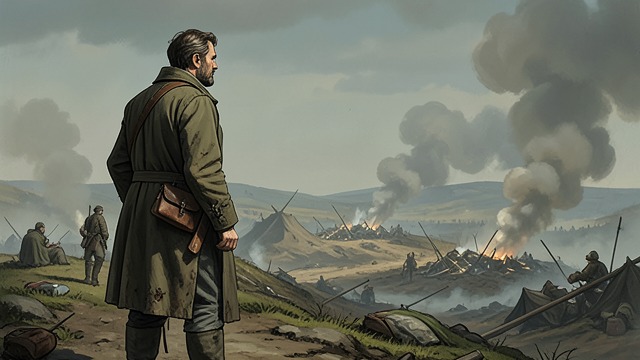
Debate Gives Way
The Appeal to Arms
Paine argues that the dispute has moved beyond pamphlet controversy: armed conflict has become the chosen means of decision. The old political debate no longer describes the situation.
A Changed Question
Earlier proposals sought reunion by force or friendship. Once violence begins, he contends, the question becomes whether dependence can still offer a credible future.
Reconciliation Fades

Reconciliation Fades
Broken Confidence
Paine rejects the idea that earlier prosperity proves continued dependence will remain beneficial. He argues that British protection served British interests as much as colonial safety.
A Costly Connection
The imperial relationship draws America into European rivalries and threatens its commerce. What once appeared protective now looks like a source of danger.
The Break Becomes Necessary

The Break Becomes Necessary
War’s Human Cost
Paine invokes ruined homes and the suffering of Boston’s inhabitants to challenge detached calls for patience. Reconciliation, he says, cannot erase the experience of violence.
A Future at Stake
Delay risks passing unresolved conflict to another generation. He turns independence from a distant possibility into an immediate responsibility.
Dependence as Continued Risk
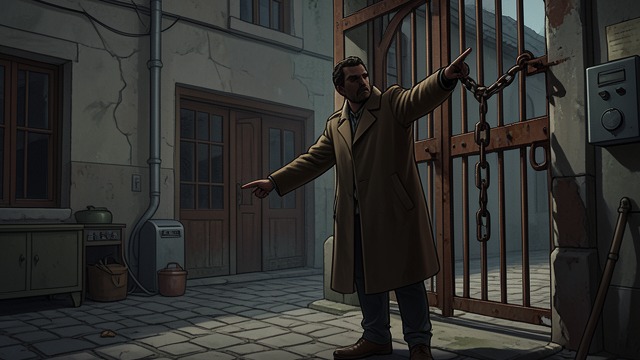
Dependence as Continued Risk
Royal Power
Even after a settlement, the Crown could block colonial legislation and limit local defense. Paine sees no assurance that a hostile power would govern in America’s interest.
Unstable Peace
A patched-up connection could provoke internal revolt without preventing future imperial conflict. In his argument, dependence leaves the causes of war intact.
Independence as Resolution
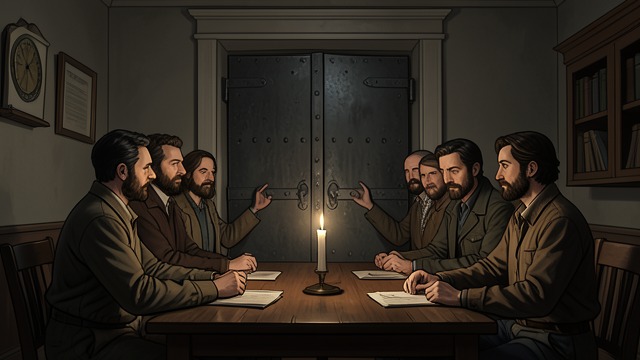
Independence as Resolution
A Public Declaration
Paine concludes that independence would allow America to act openly among nations, seek mediation, and pursue trade on its own terms. It would make the political break explicit.
A Lasting Settlement
Independence is presented not as revenge but as the basis for peace and self-government. The argument ends by urging the colonies to unite around that choice.
After hostilities begin in 1775
In the aftermath of the first fighting
During the winter following the outbreak of war
As Paine weighs the consequences of a renewed settlement
Near the pamphlet’s conclusion
