
From Resistance to Open War
Common SenseThis flow traces the escalation from political grievance to armed conflict and Paine’s redefinition of resistance as defense.
increasing Bearing strength in each event
 decreasing
Bearing strength in each eventdecreasingPetitions Fail
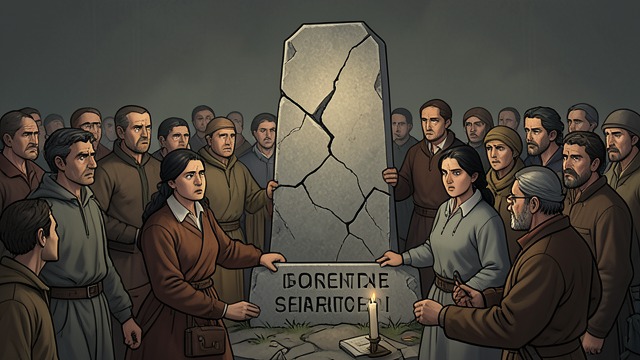
Petitions Fail
Peaceful Appeals
Paine recalls efforts to seek redress through petitions and other quiet measures. Their failure weakens the case that ordinary political channels can protect the colonies.
Authority Hardens
Repeated appeals, he argues, can encourage rulers to become more confident in their power. The failure of negotiation intensifies the pressure for another response.
Violence Changes the Terms

Violence Changes the Terms
A New Basis for Resistance
Paine distinguishes a dispute over taxation from the threat of armed force against people and property. It is violence, rather than a fiscal quarrel alone, that makes defense necessary.
Allegiance Reconsidered
Once armed coercion begins, Paine argues, the claim of continuing submission loses its justification. Resistance becomes a matter of protection and political consistency.
Citizens and Soldiers
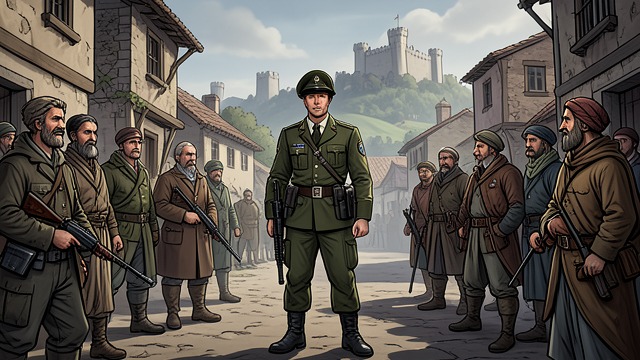
Citizens and Soldiers
A Question of Classification
Paine distinguishes enemy soldiers captured in battle from inhabitants who take up arms in their own country. He argues that treating the latter simply as rebels obscures the defensive context.
Law and Political Identity
The disagreement concerns who has authority to define the conflict. Paine insists that the colonies’ political status cannot be settled solely by British labels.
The First Shot as a Boundary
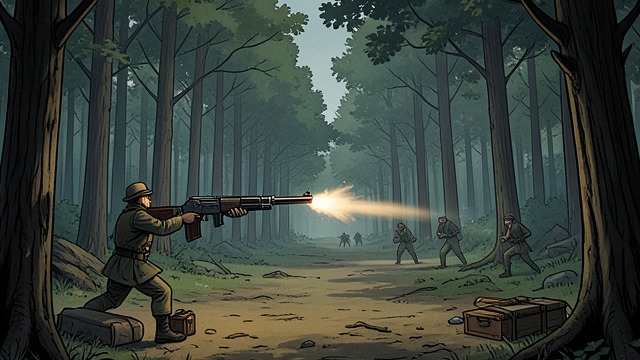
The First Shot as a Boundary
A Chain of Events
Paine describes the colonies as responding to events they did not initiate. The beginning of armed force provides a boundary for judging when dependence ceased to be defensible.
Independence Already Implied
He argues that political separation should be understood as dating from the first attack. A public declaration would make explicit what the conflict had already made necessary.
Defense Aims at Peace
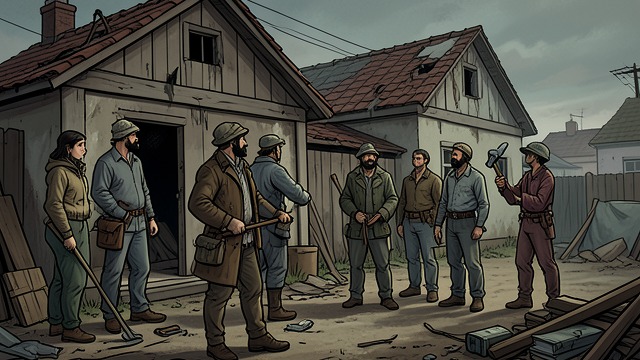
Defense Aims at Peace
Protection Rather Than Conquest
Paine argues that the colonies fight to defend homes and communities, not to seize foreign territory. The purpose of force is limited by the injuries that made it necessary.
A Political End
A clear independent government could bring resistance into a lawful framework. In this account, defensive struggle points toward a political settlement rather than endless war.
Before armed conflict becomes decisive
At the outbreak of fighting in April 1775
As Paine addresses the status of armed colonists
In Paine’s retrospective dating of independence
Near the argument’s conclusion on resistance
