
Royal Patronage and Parliamentary Conflict
Common SenseThis flow traces Paine’s account of how royal appointments and veto power undermine claims that the English constitution is balanced.
increasing Bearing strength in each event
 decreasing
Bearing strength in each eventdecreasingThe Commons as a Check

The Commons as a Check
Parliamentary Leverage
The commons can resist the Crown by withholding supplies. This power is often cited as evidence that political authority is divided.
Paine’s Question
If the Crown must be checked, Paine asks, what does that imply about its natural inclination toward power? The supposed safeguard also reveals a deeper distrust.
The Crown’s Countermove
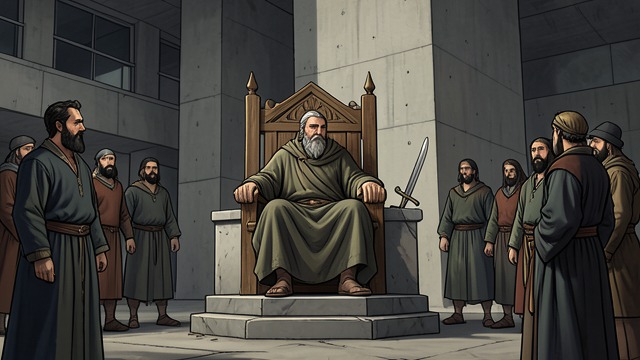
The Crown’s Countermove
A Veto Over Legislation
The king may reject bills, giving the Crown a counterweight against the commons. Paine sees the two checks as evidence of competing powers rather than a coherent public design.
Authority Reversed
The arrangement seems to presume that the king is less trustworthy than the commons, then grants him power to overrule the latter. Paine calls this logic self-contradictory.
Patronage Enters Parliament

Patronage Enters Parliament
Offices as Influence
Control of places and pensions allows the Crown to reward allies. Paine argues that this mechanism can bend representatives without openly abolishing their formal powers.
A Check Weakened
If members depend on royal favor, their ability to restrain the Crown is compromised. Constitutional balance can fail through incentives rather than explicit force.
Complication Hides Responsibility
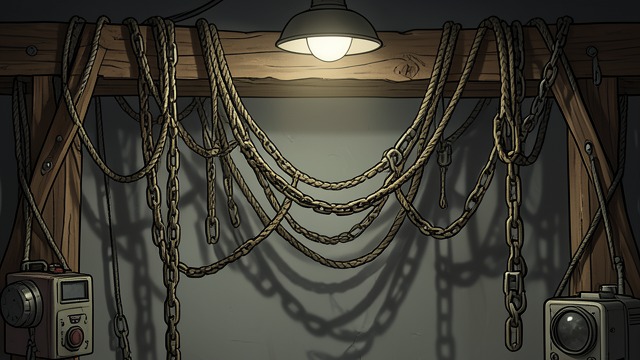
Complication Hides Responsibility
Fault Hard to Locate
Paine argues that a complex arrangement makes it difficult for citizens to identify which institution caused their suffering. Rival explanations obscure responsibility.
A Practical Defect
The constitution’s complexity is not merely an intellectual problem. It delays remedies by making public accountability uncertain.
The Balance Gives Way
The Balance Gives Way
One Power Prevails
In Paine’s machine analogy, the part with the greatest weight eventually governs. Other powers may slow it but cannot stop its direction.
A Case for a New Form
The Crown’s practical advantages defeat the claim of reciprocal restraint. Paine’s diagnosis supports a simpler government grounded in accountable representation.
During Paine’s account of constitutional powers
After Paine introduces the commons’ financial check
As Paine turns to royal control of appointments
During Paine’s comparison of simple and complex governments
At the end of Paine’s constitutional argument
