
The Law as America’s Sovereign
Common SenseThis flow traces Paine’s replacement of personal kingship with a public law that derives authority from a constitutional order.
increasing Bearing strength in each event
 decreasing
Bearing strength in each eventdecreasingThe Question of a King
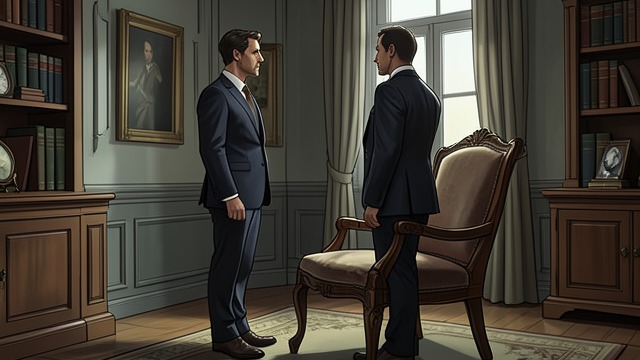
The Question of a King
A Familiar Expectation
Paine anticipates the question of who will rule America after separation. The question assumes that political authority must have a monarch at its center.
Reframing Sovereignty
His answer redirects attention from a person to a principle. The new political order need not reproduce the authority it seeks to escape.
Authority Above the Crown
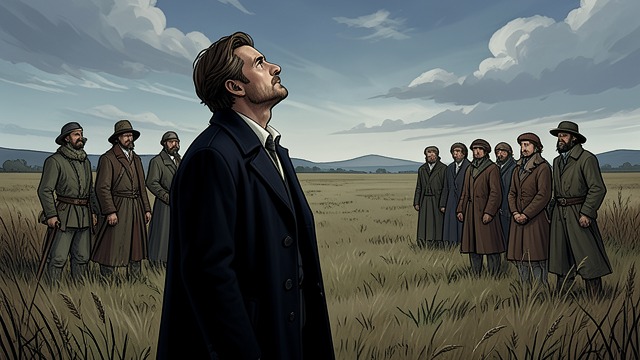
Authority Above the Crown
A Different Sovereign
Paine declares that the king of America reigns above, distinguishing divine authority from earthly monarchy. He rejects the idea that a human ruler must fill the vacancy.
Political Restraint
The reply makes room for reverence without granting a monarch power over the continent. The political question becomes how to order earthly authority lawfully.
The Charter Presented
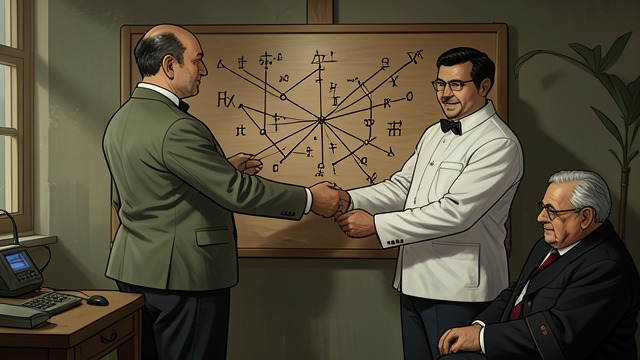
The Charter Presented
A Founding Symbol
Paine imagines the charter displayed on the word of God during a public ceremony. The act would communicate that political authority is bounded by a higher moral standard.
The People Witness
The ceremony would make the constitutional settlement visible to the community. The charter represents an obligation shared by the people rather than a ruler’s private possession.
The Law Is King
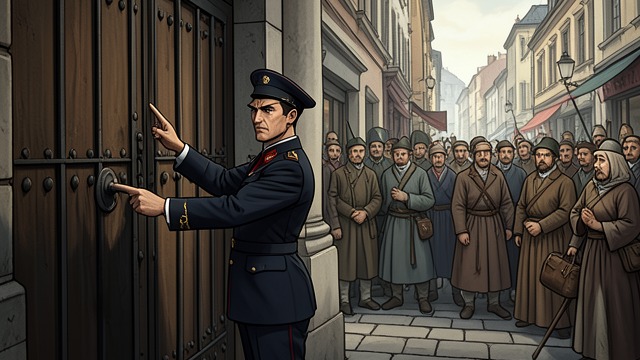
The Law Is King
Personal Rule Replaced
Paine’s formula makes law, rather than a monarch, the sovereign in a free country. Public authority should be exercised under rules that apply beyond an individual ruler’s will.
Freedom Through Limits
Law becomes legitimate not merely by existing but by restraining arbitrary power. The principle joins self-government to legal accountability.
The Crown Returned to the People
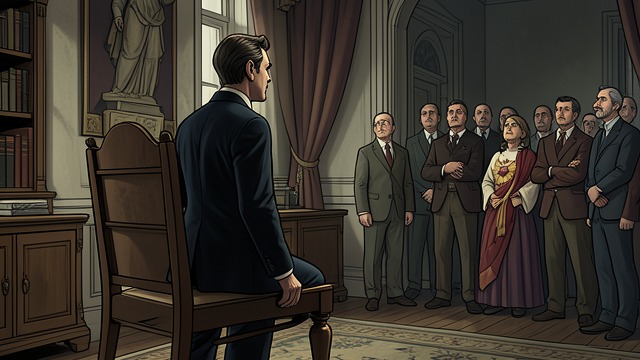
The Crown Returned to the People
A Symbol Destroyed
Paine proposes that the ceremonial crown be demolished and scattered among the people. The gesture denies any lasting claim to royal authority.
Popular Ownership
The image transfers political honor back to the community whose rights had been symbolically represented. It closes the argument with sovereignty dispersed among citizens.
During the proposal for American government
At Paine’s response to the question of kingship
During the proposed public ceremony
At the climax of Paine’s constitutional proposal
At the end of the proposed ceremony
