
A Continental Political Order
Common SenseThis flow traces the movement from colonial disunity and uncertain authority toward Paine’s proposed continental constitution.
increasing Bearing strength in each event
 decreasing
Bearing strength in each eventdecreasingA Continent in Pieces
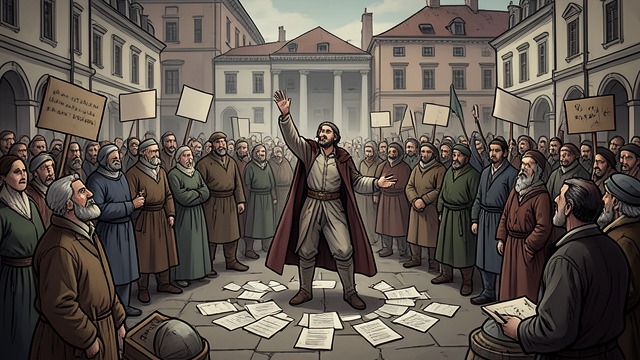
A Continent in Pieces
No Fixed Authority
Paine portrays America as acting without a settled constitution or dependable legal framework. Cooperation exists, but its foundations remain vulnerable to political change.
Uncertain Allegiance
The colonies resist Britain while still calling themselves its subjects. This contradiction leaves both their international standing and domestic authority unclear.
A Continental Congress
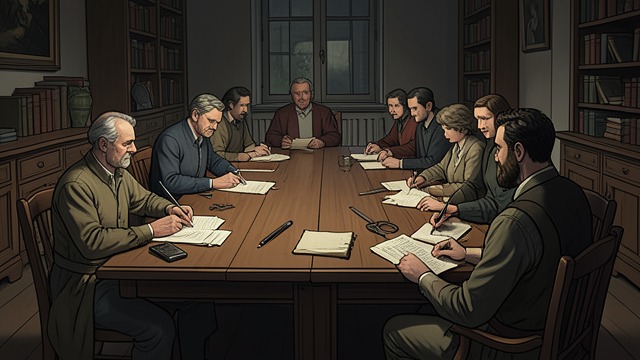
A Continental Congress
Representation Across Colonies
Paine proposes that local assemblies handle domestic affairs while a Continental Congress receives authority over continental concerns. Representation should reflect the colonies’ shared interests.
Regular Public Accountability
His design calls for frequent assemblies and elections, preventing representatives from becoming detached from those who choose them.
A Conference to Draft
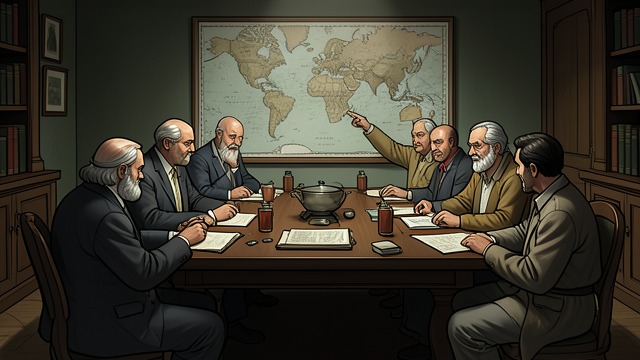
A Conference to Draft
Combined Experience and Authority
Paine imagines a Continental Conference bringing together delegates from Congress, colonial assemblies, and the people. The combination would join practical knowledge with public authorization.
A Founding Task
Its purpose would be to frame a constitutional charter before permanent governing bodies take office. The sequence matters: first establish the rules, then entrust people to administer them.
The Charter’s Guarantees

The Charter’s Guarantees
Defined Powers
The proposed charter would set representation, terms of service, and the boundaries between continental and local authority. These rules would give public power a legible structure.
Protected Rights
Paine calls for security of personal freedom, property, and religious exercise. The charter is a binding promise among the parts, not a license for arbitrary rule.
A Government with Legitimacy
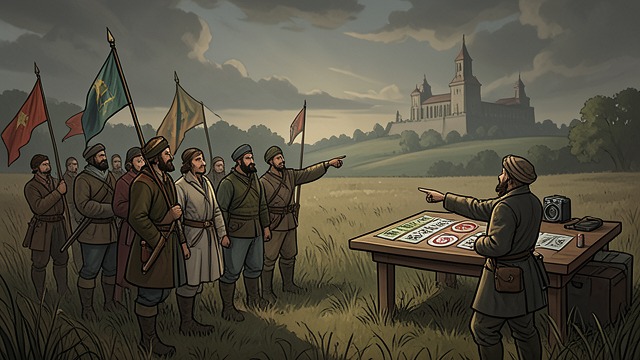
A Government with Legitimacy
Authority from the People
Once the charter has been adopted, the conference would dissolve and charter-based institutions would govern. Their legitimacy would rest on public authorization rather than inherited office.
Preventing a Power Vacuum
Paine warns that leaving government unsettled could invite a would-be strongman to seize authority. Constitutional action offers a peaceful alternative to force or mob rule.
As Paine describes the unsettled wartime situation
During the proposed reorganization of colonial government
At the proposed founding convention
When the proposed charter is framed
After the proposed convention dissolves
