
Time, Custom, and Conversion
Common SenseThis flow traces Paine’s theme that familiar customs can disguise injustice until public events make their defects visible.
increasing Bearing strength in each event
 decreasing
Bearing strength in each eventdecreasingCustom Makes Wrong Seem Right

Custom Makes Wrong Seem Right
Habit’s Influence
Paine observes that a long habit of not questioning something wrong gives it the superficial appearance of being right. Familiarity can silence judgment.
The First Outcry
Challenges to custom often provoke resistance before people examine their merits. The initial reaction is not necessarily evidence that the challenge is mistaken.
Suffering Prompts Inquiry
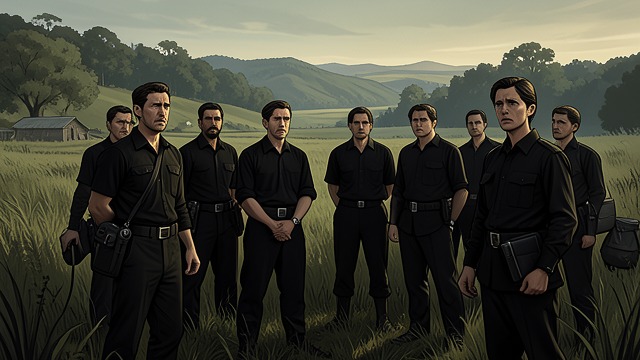
Suffering Prompts Inquiry
Abuse Revealed
Paine argues that prolonged abuse can cause people to question the authority they once accepted. Those who suffer may begin asking whether power was ever rightfully held.
Political Awakening
An injury can turn private hardship into public investigation. The crisis gives people a reason to reconsider assumptions protected by habit.
Reason Meets Experience
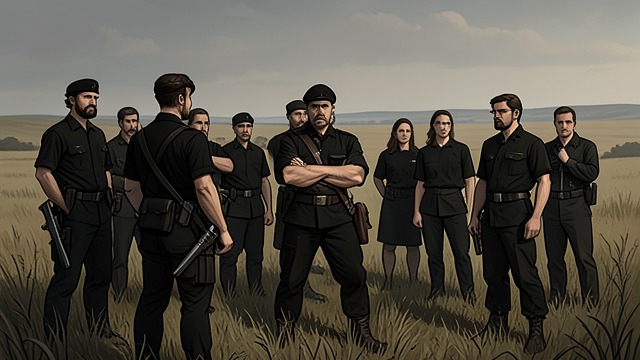
Reason Meets Experience
Abstract Promises Tested
Paine asks readers to compare claims of reconciliation with the lived experience of those whose homes and property have been harmed. Political language must answer to actual consequences.
Judgment Becomes Immediate
Experience changes what readers can credibly accept. The conflict makes questions that once seemed theoretical urgent and personal.
The Present Changes the Past
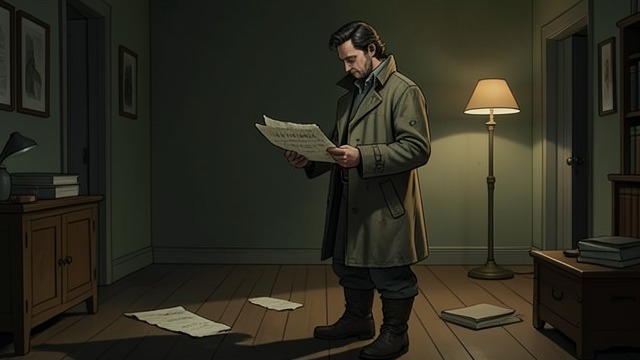
The Present Changes the Past
Earlier Plans Superseded
Paine argues that proposals made before fighting began no longer fit the altered circumstances. The onset of war makes old assumptions politically obsolete.
A New Method of Thinking
Events change not only policy but the terms of judgment. Readers must reassess the relationship in light of what has happened since earlier debates.
Time Converts the Public
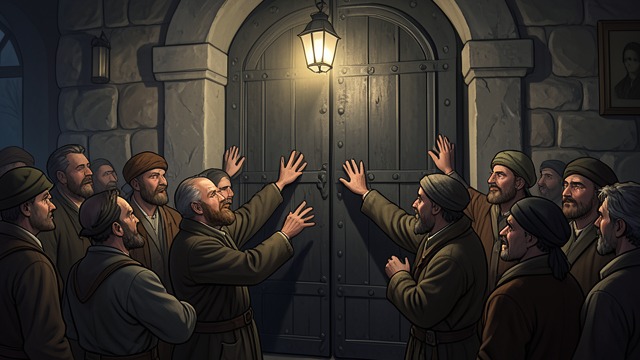
Time Converts the Public
Persuasion Beyond Argument
Paine suggests that time can persuade more people than reason alone. As experience accumulates, ideas once resisted may become difficult to avoid.
A Moment for Decision
The pamphlet seeks to turn changing public understanding into action. Waiting for complete agreement risks allowing events to decide the political future instead.
In the pamphlet’s opening reflection
As abuses of power become intolerable
During the argument over reconciliation
After hostilities transform the political debate
Near the publication’s appeal for independence
