
The Navy and National Defense
Common SenseThis flow follows Paine’s argument that independence requires America to develop its own coastal defenses and maritime capacity.
increasing Bearing strength in each event
 decreasing
Bearing strength in each eventdecreasingA Vulnerable Coast
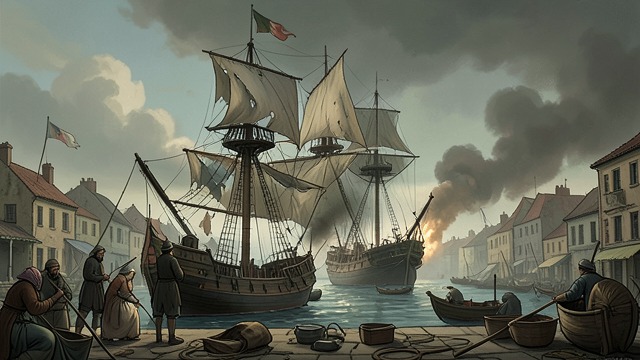
A Vulnerable Coast
Maritime Exposure
Paine warns that a hostile vessel could threaten coastal towns and commerce. Growing property and population make the older assumption of effortless safety untenable.
Defense as a Public Need
Without adequate protection, the continent risks relying on luck or distant allies. The danger gives maritime security a place in the independence debate.
Britain Cannot Secure America
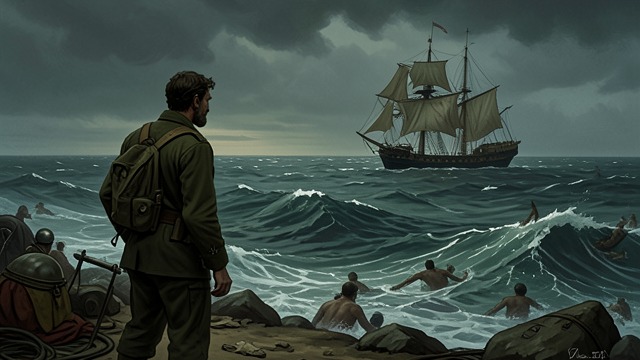
Britain Cannot Secure America
The Wrong Protector
Paine doubts that the power that sought to subdue America can be trusted to defend it. Military protection could become another instrument of control.
Distance and Delay
A fleet thousands of miles away cannot respond effectively to sudden coastal emergencies. Self-government therefore entails accepting responsibility for local defense.
Local Resources
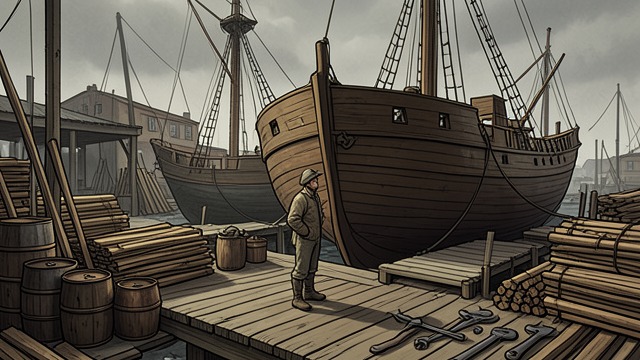
Local Resources
Materials at Hand
Paine lists timber, tar, iron, hemp, and cordage as resources available within America. He argues that the foundations of shipbuilding are already present.
Industry and Security
A fleet could build local industry while protecting commerce. The project joins economic development to public defense instead of treating the two as competing needs.
A Fleet Within Reach
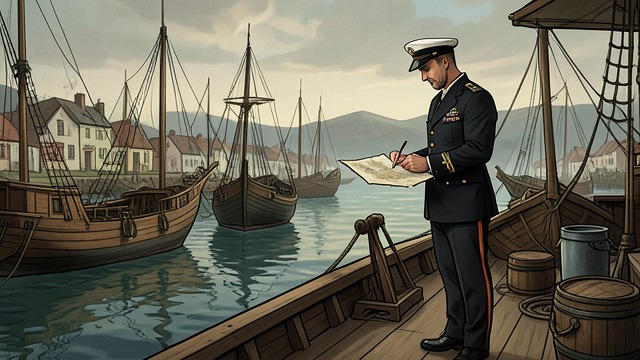
A Fleet Within Reach
A Manageable Ambition
Paine estimates that a smaller fleet, concentrated on America’s own coast, could answer its needs without matching Britain ship for ship. He challenges arguments that naval parity is impossible.
Strategic Geography
An attacking fleet must cross the ocean and travel far to refit. Local knowledge and shorter supply lines, he argues, could compensate for numerical inferiority.
Commerce Sustains Defense
Commerce Sustains Defense
Armed Merchant Ships
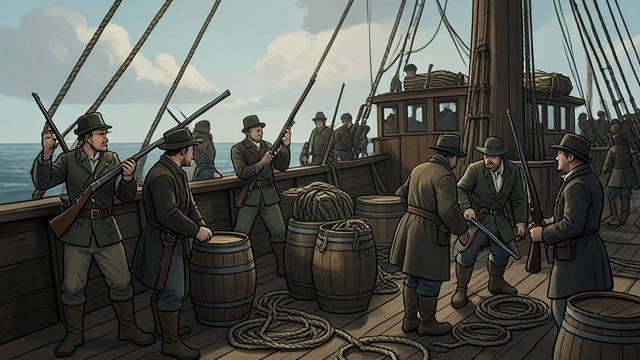
Paine proposes encouraging merchants to build and operate armed vessels, supplemented by a smaller standing force. Commercial activity could keep ships useful in peacetime.
A Reciprocal Benefit
The plan links trade, shipbuilding, and security. A society that can use its productive capacity for both commerce and defense need not depend on a distant power.
As Paine surveys America’s current defenses
During the discussion of post-reconciliation protection
As Paine inventories American materials
During Paine’s estimates of naval construction
Near the conclusion of the naval argument
