
Boston as an Argument
Common SenseThis flow traces how Paine uses Boston’s suffering to make the consequences of imperial rule emotionally and politically immediate.
increasing Bearing strength in each event
 decreasing
Bearing strength in each eventdecreasingDistant Observers

Distant Observers
Unequal Experience
Paine notes that many people remain far from immediate suffering and therefore underestimate the insecurity of colonial life. Distance can make political danger seem abstract.
Imagination as Witness
He urges readers to imagine the circumstances of those directly affected. Political judgment, he insists, must include the experiences of people bearing the costs.
A City Under Pressure
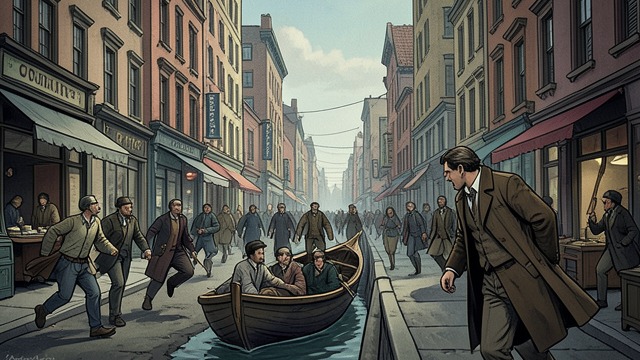
A City Under Pressure
Trapped Residents
Paine describes Boston’s inhabitants as facing a stark choice: remain amid danger or leave without security. Their ordinary prosperity has been overturned by war.
Civilian Insecurity
The city’s condition illustrates how conflict reaches beyond soldiers. Families and property become exposed to the consequences of imperial policy.
The Case Against Easy Forgiveness
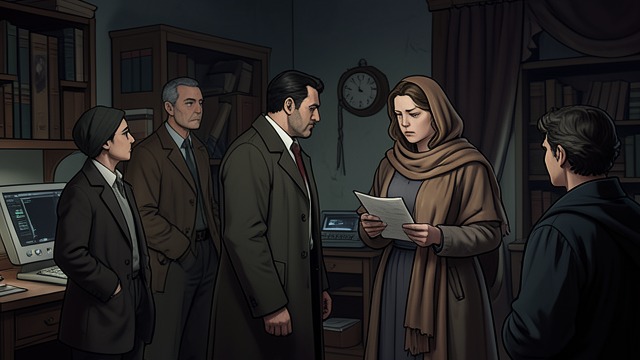
The Case Against Easy Forgiveness
Injury and Memory
Paine challenges those who expect friendship to return without reckoning with the damage inflicted. His argument makes memory central to whether reconciliation can be credible.
Suffering as Political Evidence
The injured cannot be dismissed as abstractions in a debate over policy. Their losses expose the moral weakness of proposals built around convenience.
From Grief to Resolve

From Grief to Resolve
Against Revenge
Paine says that invoking suffering is not simply an appeal to vengeance. He seeks to awaken readers from passivity and direct their attention toward a definite political objective.
The Danger of Delay
If the colonies fail to act, he warns, internal hesitation may accomplish what external force could not. The crisis demands decision rather than emotional spectacle alone.
A Continental Obligation
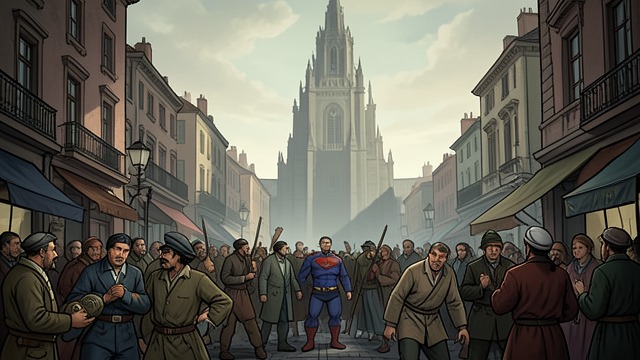
A Continental Obligation
Shared Responsibility
Boston’s plight becomes part of a larger argument about the colonies’ mutual obligations. The suffering of one place reveals the vulnerability of all.
The Future at Stake
Paine uses the crisis to ask whether the present generation will leave its children a safer political order. A local tragedy thus becomes a continental call to action.
As Paine addresses readers away from the fighting
During Boston’s wartime hardship
After Paine describes Boston’s predicament
As the argument turns from injury to action
Near the appeal to protect future generations
