
The Claim of Papal Dismissal
ConclaveThe conflicting accounts of Tremblay’s final audience with the late Pope intensify into a crisis of credibility and institutional trust.
increasing Bearing strength in each event
 decreasing
Bearing strength in each eventdecreasingA Secret Kept
A Secret Kept
Woźniak’s account
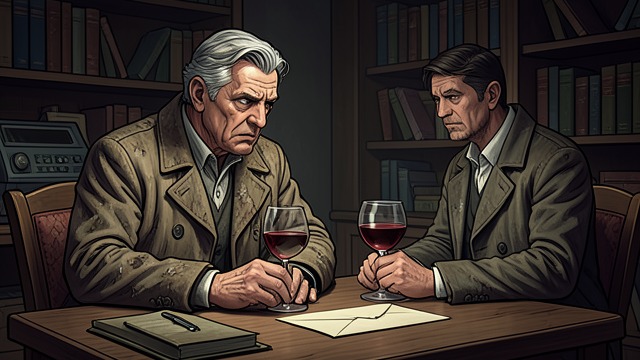
Janusz Woźniak tells Lomeli that the late Pope dismissed Tremblay at their final meeting. He says the Pope was furious and later confided the decision over supper.
A delayed disclosure
Woźniak waited weeks to speak because he had promised Tremblay not to tell. His fear and guilt make the information urgent but difficult to verify.
Morales Denies It
Morales Denies It
A second witness withheld
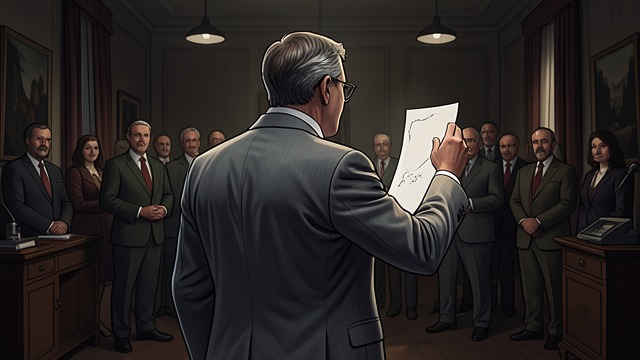
Tremblay says Monsignor Morales was present and will confirm that no dismissal occurred. Lomeli cannot question Morales directly while the electors are sequestered.
Suspicion through emphasis
O’Malley later reports that Morales referred to a withdrawn report and insisted the meeting was routine. The emphatic denial leaves the dean more suspicious, not less.
The Private Interrogation
The Private Interrogation
A denial renewed
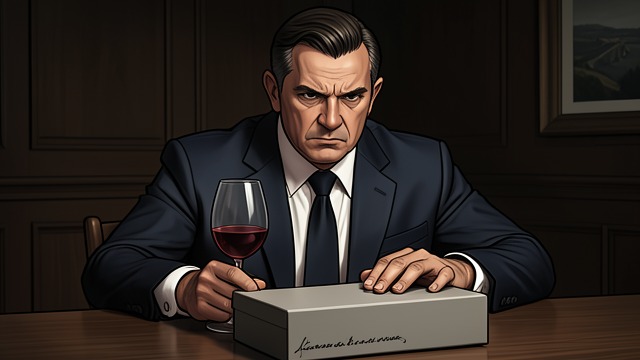
Lomeli asks Tremblay directly whether he was dismissed. Tremblay denies the claim and portrays Woźniak as a drunken source of gossip.
A question without proof
The dean cannot establish who is telling the truth. The absence of a reliable outside inquiry forces him to weigh testimony against the risk of electing a compromised candidate.
The Report Corroborates Suspicion
The Report Corroborates Suspicion
Hidden evidence found
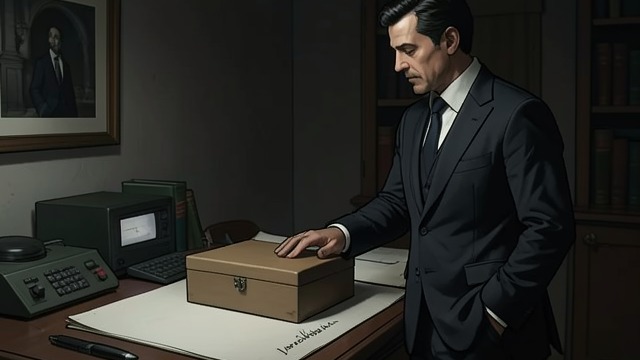
Lomeli discovers a report in the late Pope’s apartment dated the day he died. Its subject and contents support the possibility that a serious investigation existed.
A decision to disclose
The report does not itself prove the disputed conversation, but it makes silence harder to defend. Lomeli decides the electors should judge the evidence for themselves.
A Public Contradiction
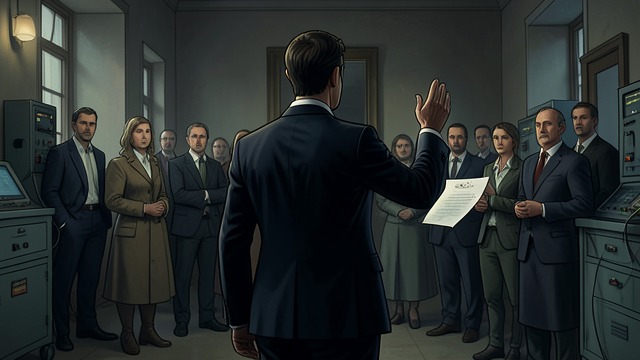
A Public Contradiction
Competing testimony
Tremblay denies the report and the dismissal in front of the College. Lomeli repeats Woźniak’s account, while Bellini declines to confirm it.
Credibility becomes the issue
The electors must evaluate conflicting accounts without the usual means of investigation. The dispute contributes to Tremblay’s loss of authority and exposes how secrecy can shield both privacy and misconduct.
On the night of the Pope’s death
Before the first ballot
The night before the sixth ballot
The night before the eighth ballot
The morning before the seventh ballot
