
The Conclave’s Deadlock
ConclaveRepeated ballots expose how quickly a seemingly settled election can reverse, making the threat of prolonged division a force in its own right.
increasing Bearing strength in each event
 decreasing
Bearing strength in each eventdecreasingScattered Allegiances
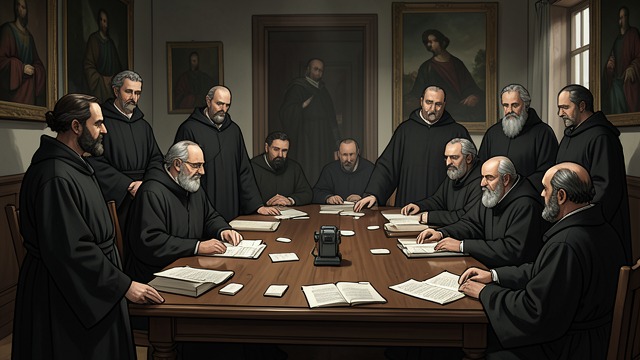
Scattered Allegiances
A historic spread
Thirty-four candidates receive votes, a record for a first ballot. The leading four remain close enough that no faction can claim the College’s authority.
Negotiation begins
The result sends the electors into private conversations about arithmetic and alliances. Their spiritual responsibility now coexists with the practical need to assemble a two-thirds majority.
An Apparent Front-Runner
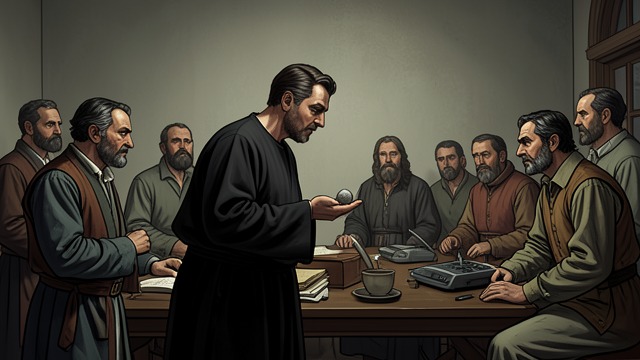
An Apparent Front-Runner
Adeyemi approaches the lead
Adeyemi reaches fifty-seven votes, and observers expect a quick victory. His rise appears to resolve the scattered first ballot.
A fragile majority
The apparent momentum depends on assumptions about his fitness and coalition. The lunch interval exposes the danger of treating a rapidly changing count as final.
A Candidate Falls Away
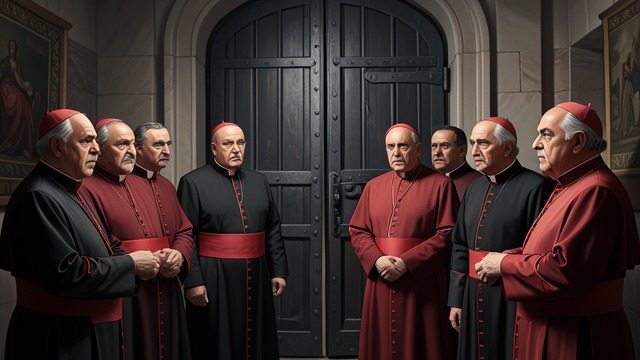
A Candidate Falls Away
Votes move elsewhere
After the revelation about Shanumi, Adeyemi’s support drops to twenty-five. Tremblay, Tedesco, and Lomeli gain from the sudden loss of his candidacy.
The contest reopens
The collapse prevents the College from simply ratifying the apparent morning direction. It also demonstrates how private conduct can transform the electoral arithmetic in minutes.
The Blocking Third
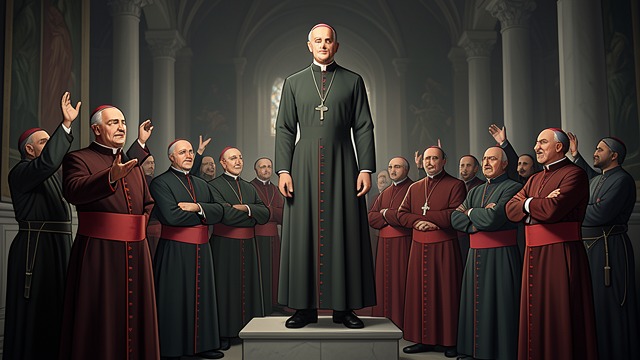
The Blocking Third
Tedesco’s threshold
Tedesco reaches forty-five votes, more than enough to prevent another candidate from winning easily. Lomeli reaches forty, becoming his principal obstacle.
A prolonged crisis looms
The result raises the prospect of repeated ballots and a lengthy Conclave. The electors’ desire to avoid deadlock begins influencing whom they consider acceptable.
A New Front-Runner
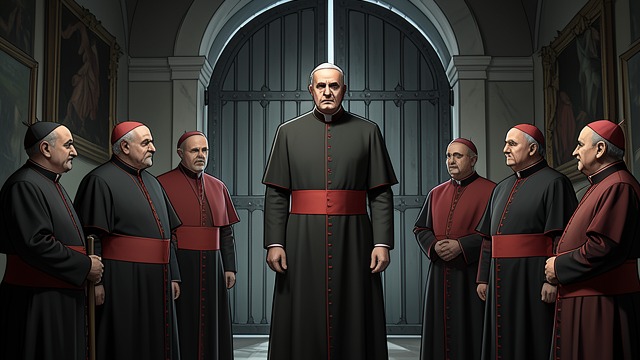
A New Front-Runner
Lomeli overtakes Tedesco
Lomeli unexpectedly receives fifty-two votes to Tedesco’s forty-two. The dean becomes the leading candidate despite his refusal to accept that role.
The crisis expands
Terrorist attacks make the deadlock more urgent, but the votes still require the established threshold. The election remains both a spiritual discernment and a political impasse.
The first ballot
The third ballot
The fourth ballot
The sixth ballot
The seventh ballot
