
Doubt as a Political Force
ConclaveLomeli’s defense of doubt becomes a political intervention that divides the electors and later informs their judgment of leadership.
increasing Bearing strength in each event
 decreasing
Bearing strength in each eventdecreasingA Sermon Without Certainty
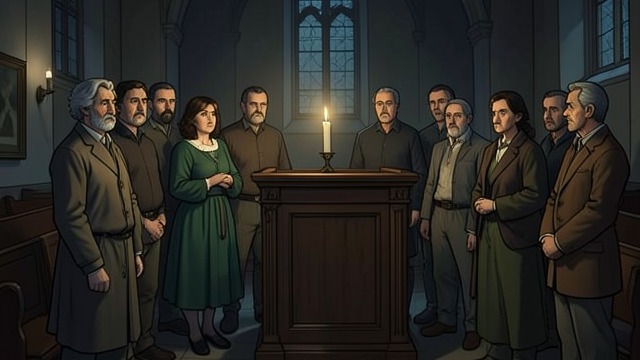
A Sermon Without Certainty
The Church as a body
Lomeli interprets Paul’s image of diverse members working together as a model for a Church that need not fear difference. He argues that unity does not require a single temperament.
Faith beside doubt
He asks for a Pope who can sin, seek forgiveness, and continue. His sermon presents uncertainty not as weakness but as a condition of living faith.
A Counter-Meditation
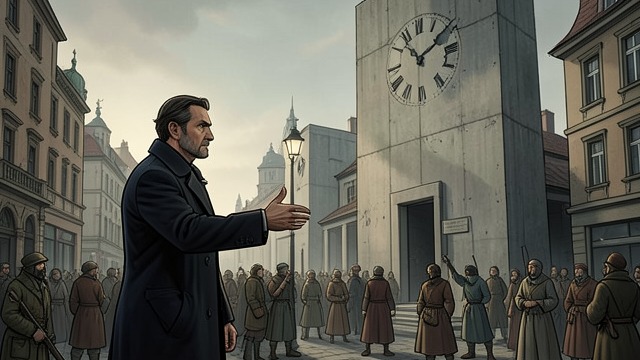
A Counter-Meditation
Scavizzi objects
Vittorio Scavizzi rejects Lomeli’s use of doubt and warns that the Church is a vessel battered by modern ideologies. He calls for a captain who will hold the course.
The sermon becomes a contest
What Lomeli intended as pastoral reflection is recast as a doctrinal position. The first act of the election is therefore also an argument over whether doubt is faithful or dangerous.
A Political Reading
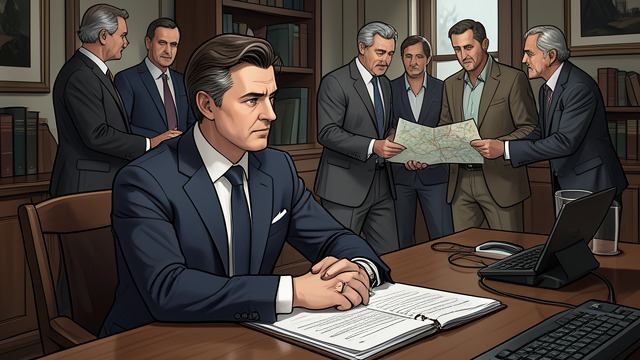
A Political Reading
Reactions divide
Liberals praise Lomeli’s homily, while Tedesco rebukes its portrayal of Paul. Others suspect the dean is trying to shape the vote.
Neutrality lost
The sermon’s effect demonstrates that words spoken from office can become political even without a campaign intention. Lomeli’s preferred neutrality is no longer available to him.
Benítez Recognizes Himself
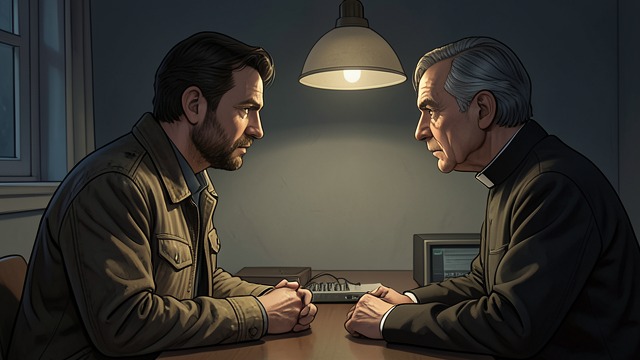
Benítez Recognizes Himself
A listener’s response
Benítez tells Lomeli that the sermon resonates with his own experience of suffering and doubt. His vote for the dean is a response to the moral argument, not a tactical bargain.
Doubt connects them
Their conversation begins a relationship in which Benítez repeatedly asks Lomeli to distinguish faith in God from loyalty to institutional convenience.
Practice Over Principle
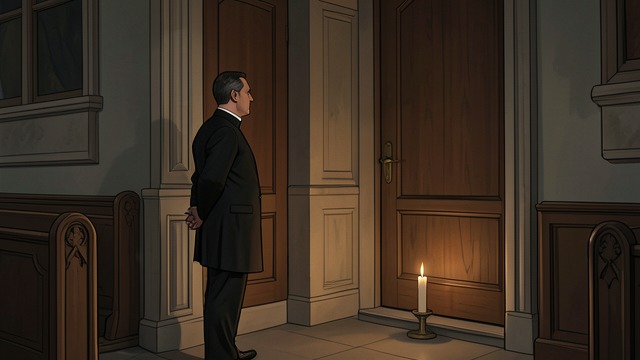
Practice Over Principle
A self-vote
Lomeli votes for himself because he believes he can prevent Tedesco from taking command. He violates the spirit of his earlier insistence that each elector vote honestly before God.
Doubt’s test
The sermon’s defense of human fallibility now applies to Lomeli himself. Doubt does not make his choice harmless; it makes him responsible for testing his motives.
The morning before the first ballot
Immediately before the first ballot
After the first ballot
The evening after the first ballot
The seventh ballot
