
Balga Between Appetite and Loyalty
Csongor és TündeThis flow traces Balga’s comic hardships and shows how his attachment to both Ilma and Csongor keeps him moving.
increasing Bearing strength in each event
 decreasing
Bearing strength in each eventdecreasingThe Farmer’s Complaint
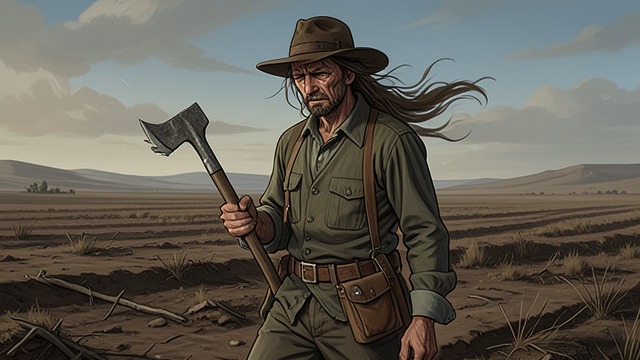
The Farmer’s Complaint
A life disrupted
Balga describes poor land, exhausting work, and the departure of the woman he calls Böske, now Ilma. His account turns heartbreak into a mixture of grievance and everyday complaint.
A different kind of courage
He does not speak like a romantic hero, but he agrees to join Csongor. His willingness to travel despite fear and discomfort begins a modest arc of loyalty.
The Servant’s Footprints
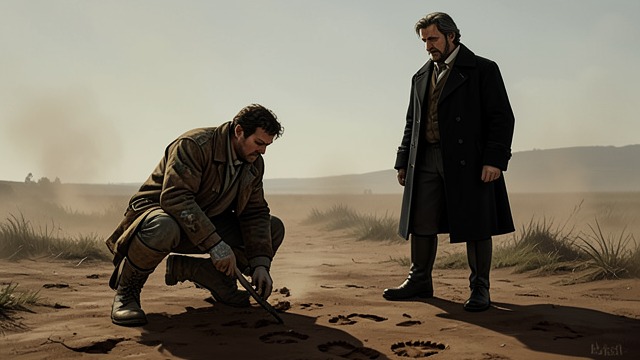
The Servant’s Footprints
Practical perception
Balga studies the footprints and imagines ordinary explanations, while Csongor interprets them as signs of Tünde. His earthy perspective repeatedly interrupts the hero’s elevated language.
Companionship in contrast
The difference does not break their partnership. Balga accompanies the quest without needing to share Csongor’s beliefs, offering a grounded presence that keeps the journey human and comic.
The Devilish Ordeal
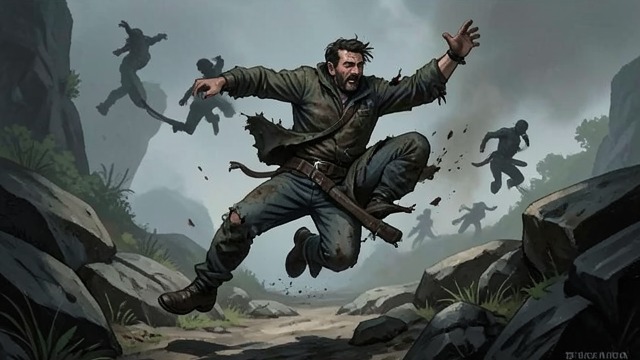
The Devilish Ordeal
Punishment and improvisation
The little devils catch Balga, knock him about, and force him to ride with them. He responds with evasions and jokes, trying to avoid further harm while preserving some authority over his situation.
Endurance as service
The ordeal exposes the physical cost of Csongor’s plans to the servant who remains behind. Balga’s return to the quest is a quiet form of loyalty, even when he complains at every step.
The False Embrace
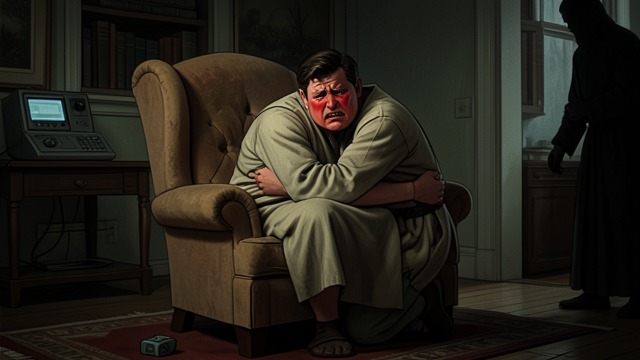
The False Embrace
Mistaken affection
Ledér draws Balga into an embrace while he believes he may have found comfort and admiration. His eagerness makes him an unwitting substitute in Mirígy’s plan against Csongor.
Comic humiliation
The apparent romance ends when Balga discovers that he has embraced a stuffed chair. His embarrassment does not end his attachment to Csongor; he takes the magical objects and continues after his master.
The Loyal Return
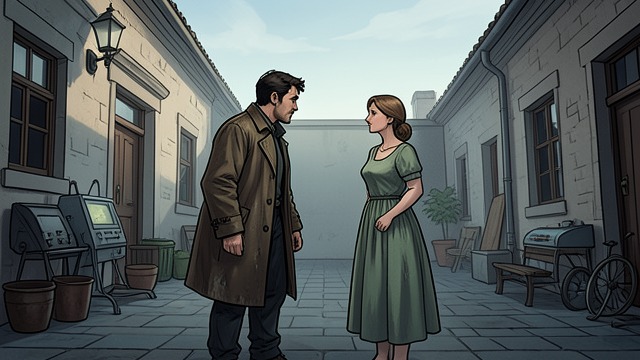
The Loyal Return
Reproach and recognition
Balga returns to Ilma with accumulated complaints about the hunger and thirst he endured while she was away. Their meeting restores their marriage through familiar bickering rather than idealized declarations.
A place in the household
Tünde allows Ilma to keep company with her husband and remain within her service. Balga’s fate settles into domestic life, a comic but satisfying counterpoint to Csongor’s more exalted reunion.
When Balga meets Csongor at the crossroads
During the first shared stretch of the quest
After Csongor takes the magical equipment
At Mirígy’s house after Balga escapes confinement
Near the ending when Balga finds Ilma again
