
Balga and Ilma’s Marriage
Csongor és TündeThis flow follows the earthy affection of Balga and Ilma as it survives absence, comic suspicion, and reunion.
increasing Bearing strength in each event
 decreasing
Bearing strength in each eventdecreasingThe Wife’s Departure
The Wife’s Departure
An ordinary bond interrupted
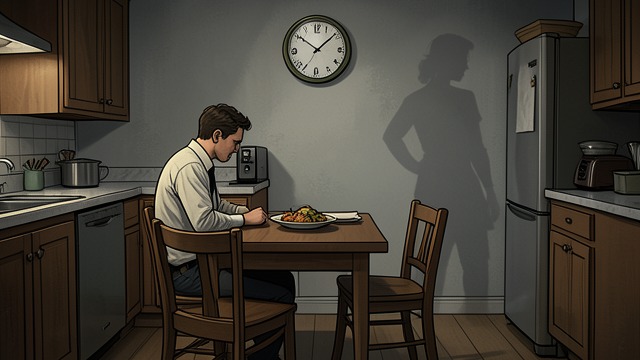
Ilma leaves the human world alongside Tünde, leaving Balga behind. Balga experiences the absence through food, work, and the discomfort of being abandoned.
Comic grief
His complaints are humorous, but they establish a real attachment. His decision to follow Ilma shows that the marriage matters enough to pull him into a journey he would not otherwise choose.
The Husband’s Pursuit
The Husband’s Pursuit
A second quest
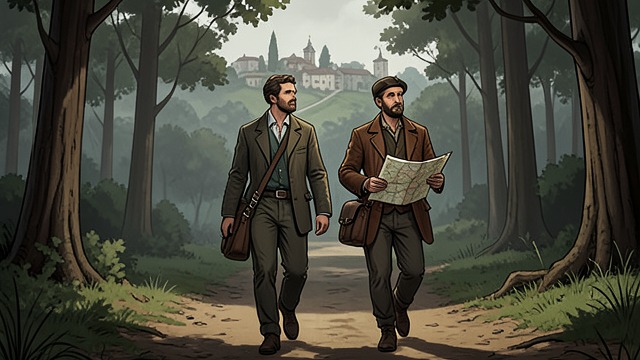
Balga agrees to accompany Csongor because Ilma has gone toward Tündérhon. The servant’s domestic motive runs alongside the hero’s romantic mission without becoming identical to it.
Shared road
Their separate attachments place both men in motion together. Balga’s practical hopes keep the story’s idealized search connected to the ordinary obligations of marriage.
Separation by Misadventure
Separation by Misadventure
A journey diverted
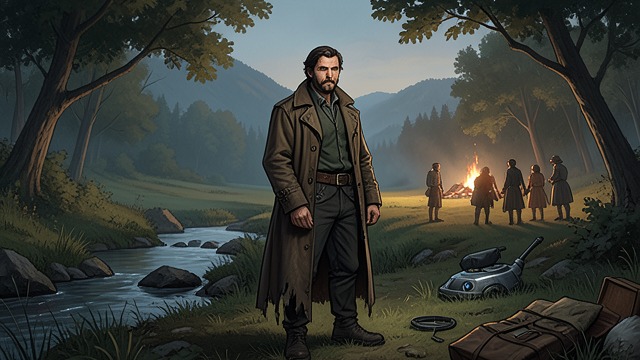
Balga is captured and carried away by the little devils while Csongor travels onward. The interruption prolongs his distance from Ilma and makes his personal quest vulnerable to comic accidents.
Loyalty under hardship
He complains about thirst and discomfort but keeps moving toward the people who matter to him. His endurance makes affection visible through persistence rather than eloquent vows.
The False Affection
The False Affection
A mistaken substitute
Ledér embraces Balga after he mistakes her attention for a welcome. The episode briefly redirects romantic performance into a comic encounter that does not belong to him.
Marriage in contrast
Balga’s confusion does not replace his attachment to Ilma. The false embrace underscores the difference between fleeting flattery and a bond built through shared life and mutual recognition.
Reunion Through Bickering
Reunion Through Bickering
Familiar grievances
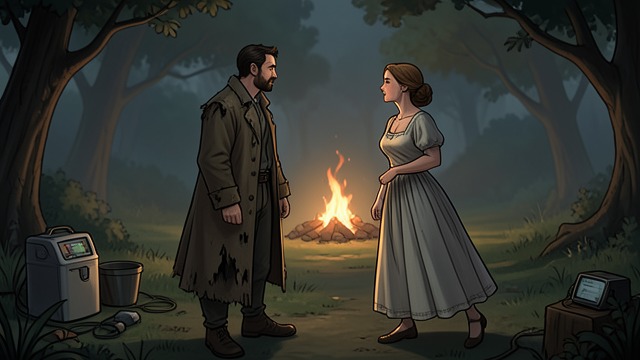
Balga returns to Ilma with a stream of complaints about hunger, thirst, and her absence. The recriminations are part of their familiar comic language rather than a final rupture.
An imperfect harmony
Ilma forgives him, and the two resume their affectionate teasing. Their ending suggests that domestic love can survive through reconciliation, appetite, and daily companionship rather than idealized perfection.
When Ilma leaves with Tünde
When Balga joins Csongor at the crossroads
During the little devils’ pursuit
At Mirígy’s house during Balga’s escape
Near the ending when Balga confronts Ilma
