
What Counts as Happiness
Csongor és TündeThis flow follows the drama’s competing definitions of happiness, from possession and mastery to love and shared life.
increasing Bearing strength in each event
 decreasing
Bearing strength in each eventdecreasingThe Ideal in the Mind
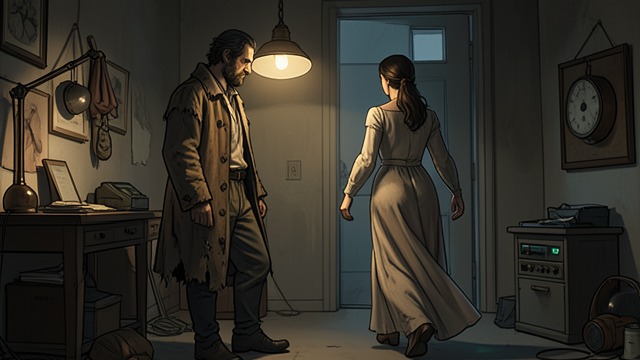
The Ideal in the Mind
Desire before encounter
Csongor has searched widely for a beauty that exists first as an ideal in his dreams. His dissatisfaction suggests that travel alone cannot satisfy a desire whose object remains undefined.
The ideal made personal
Tünde’s appearance gives the longing a human form, but it also tests whether reality can bear the weight of a dream. The story’s search for happiness begins by asking how imagination and lived attachment can meet.
Wealth as a Substitute

Wealth as a Substitute
Possession’s promise
The Kalmár believes that money can buy comfort, influence, and pleasure. He even imagines love as something that may be secured through wealth.
The missing relation
Csongor refuses to exchange his desire for Tünde for riches. The encounter distinguishes material abundance from the personal recognition that makes happiness meaningful to him.
Power as a Substitute
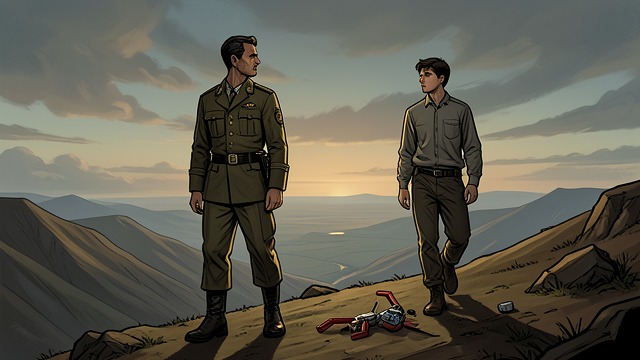
Power as a Substitute
Mastery imagined
The Fejedelem longs to expand his dominion until the world obeys his will. His idea of fulfillment depends on making external reality submit.
Isolation beneath authority
His speech reveals loneliness beneath ambition, and his promise of conquest does not help Csongor find Tünde. The drama questions whether control over others can compensate for the absence of intimate connection.
Knowledge as a Substitute
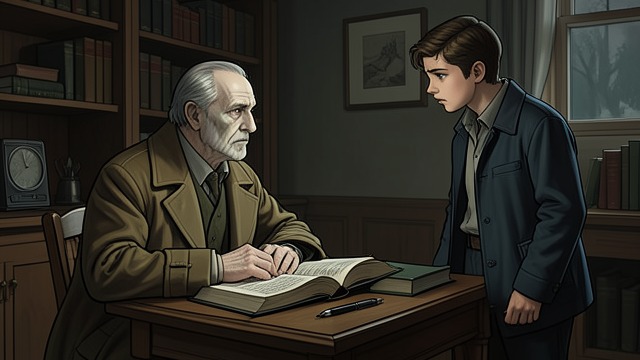
Knowledge as a Substitute
Inquiry without final answers
The Tudós can explain many phenomena but cannot fully explain nature, the soul, or his own identity. His intelligence exposes the distance between information and existential certainty.
A hope defended
He dismisses Tündérhon as a dream, but Csongor insists that desire gives life direction. The exchange asks whether a modest, uncertain hope may be more valuable than knowledge that cannot guide a person toward happiness.
Happiness in Shared Life
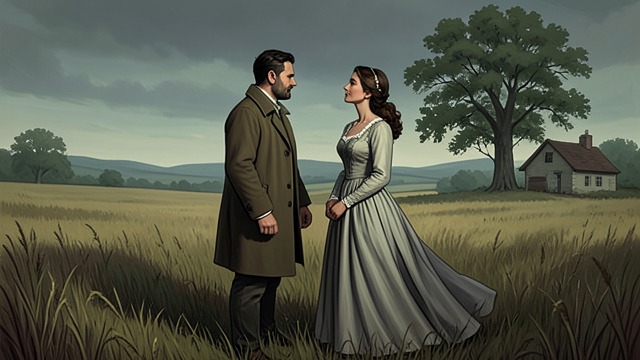
Happiness in Shared Life
Beyond possession and mastery
The reunion offers neither wealth nor command over the world. Tünde offers Csongor a life shaped by mutual affection, rooted in the place where their relationship began.
Joy with limits
Tünde’s mortal exile makes happiness finite rather than eternal. The resolution suggests that love matters not because it abolishes loss, but because two people can choose to live its joys and risks together.
Before Csongor discovers the tree
At the Kalmár’s encounter on the crossroads
At the Fejedelem’s encounter
At the Tudós’s encounter
At the final reunion beneath the tree
