
Mortality and the Measure of Time
Csongor és TündeThis flow connects the drama’s visions of cosmic creation and decay to Tünde’s finite future and the lovers’ decision to live it.
increasing Bearing strength in each event
 decreasing
Bearing strength in each eventdecreasingThe Night’s Creation
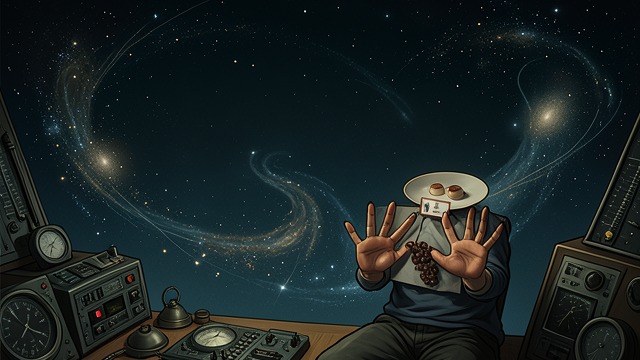
The Night’s Creation
A cosmic beginning
Éj describes herself as darkness and emptiness before the world, from whose stillness creation emerged. Her account places human lives within an immense cycle that begins before them and outlasts them.
Beauty within impermanence
The world’s birth is magnificent, but its eventual return to darkness is already present in the same speech. Creation’s splendor carries the possibility of its ending from the start.
The Human Span
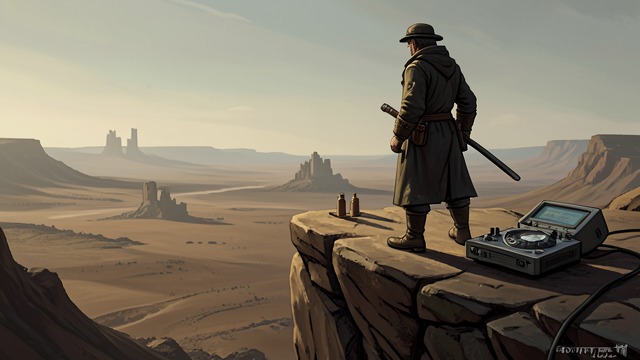
The Human Span
Brief life and ambition
Éj describes human beings as temporary lives driven by the desire to know and act. Their achievements can outlast an individual, yet even monuments and records depend on a world that will not last forever.
Scale altered
The speech unsettles the assumption that human effort can secure permanence. It places private grief within a broader perspective without making that grief insignificant to those who feel it.
The Returning Travelers
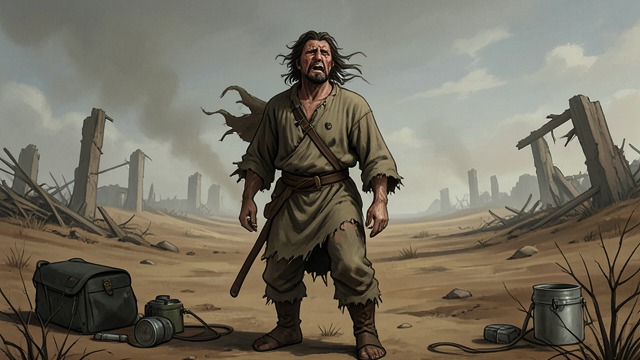
The Returning Travelers
Fortune’s erosion
The Kalmár loses his wealth, the Fejedelem his rule, and the Tudós his confidence in settled knowledge. Their altered lives show that worldly success and intellectual certainty cannot hold back change.
A human measure
Their suffering makes impermanence visible through individual stories. Csongor sees not abstractions but people whose former identities have been worn away by time and circumstance.
Tünde’s Exile
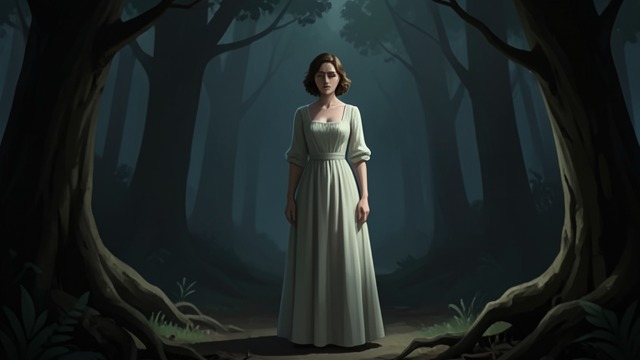
Tünde’s Exile
Eternity withdrawn
Éj condemns Tünde to mortal life, denying her the long existence she once expected. Her punishment makes time a personal condition, not only a cosmic idea.
A new value for love
The judgment threatens Tünde with a shorter, more vulnerable life, yet she does not renounce Csongor. The meaning of their love changes as eternity ceases to be its guarantee.
A Finite Happiness
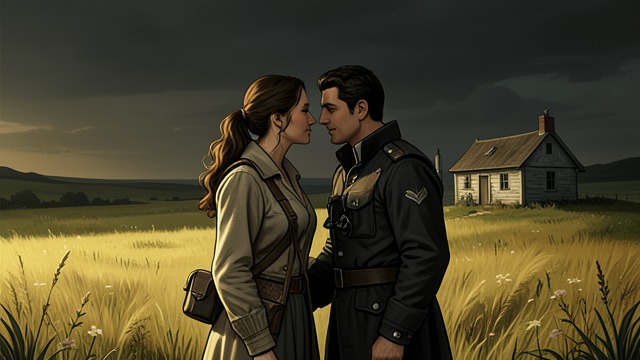
A Finite Happiness
A life accepted
Tünde offers Csongor a shared existence in which joy, affection, and sorrow will occur within human limits. He accepts instead of demanding immortality or absolute safety.
Meaning through presence
The ending makes happiness valuable because it is lived in time. Mortality does not cancel love; it gives urgency and tenderness to the life the lovers choose.
When Tünde and Ilma meet Éj
During Éj’s account of living creatures
Near the ending when Csongor sees the three men again
After Tünde returns to the fairy realm
At the final choice in the garden
