
The Second Styles Investigation
CurtainThe return to Styles turns an apparent reunion into a race to understand who is in danger and how a killer can make another person seem responsible.
increasing Bearing strength in each event
 decreasing
Bearing strength in each eventdecreasingReturn to Styles
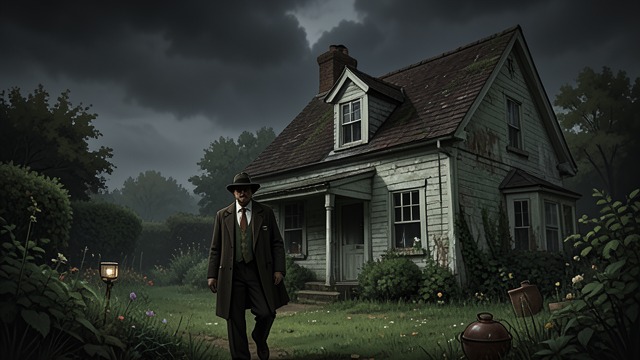
Return to a Changed House
Old memories, new purpose
Arthur Hastings returns to Styles, now a shabby guest house, expecting a reunion with Hercule Poirot. The familiar place recalls their first investigation and the years that have altered their lives.
A concealed assignment
Poirot is waiting there, gravely ill but mentally alert. His invitation has not been mere nostalgia: he believes a murderer is among the guests and that another crime is imminent.
Five Unsettling Cases
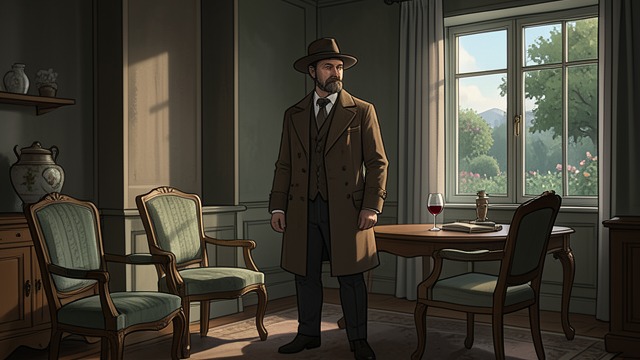
A Pattern Without a Pattern
Five apparent culprits
Poirot gives Hastings summaries of five deaths, each apparently explained by a single suspect: a poisoned husband, a morphine overdose, a double shooting, cyanide poisoning, and a tyrant's killing.
The hidden presence
The crimes differ in motive and circumstance, but one person had some connection to each. Poirot treats that repeated presence as a warning that Styles may become the setting for another carefully obscured crime.
The Unknown Victim
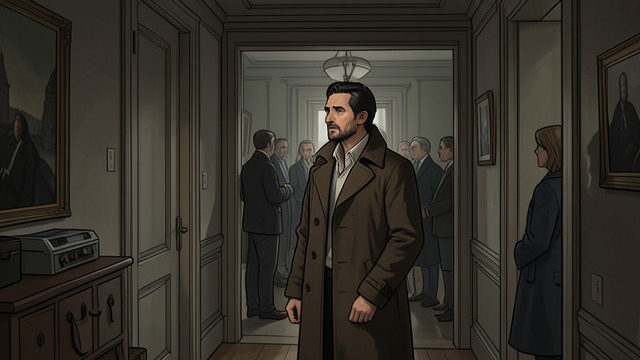
Hunting Without a Victim
An incomplete warning
Poirot tells Hastings that X is in the house and predicts a murder, but he cannot identify the intended victim. Without a motive or target, even a direct warning may be useless.
Hastings's assignment
Poirot asks Hastings to watch the household and notice who might become a convincing apparent killer. The investigation shifts from guessing X's identity to predicting the shape of the next crime.
A Shot in the Garden
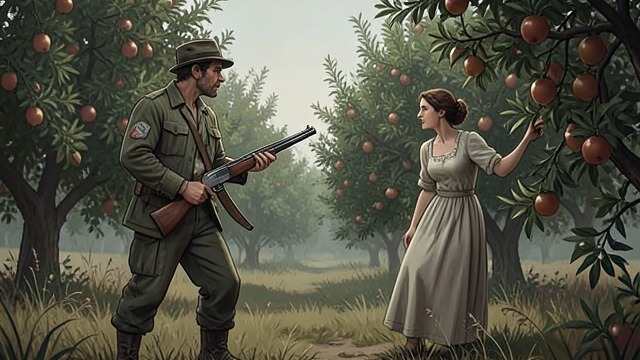
The Rifle and the Apparent Accident
A volatile scene
After Daisy Luttrell humiliates George Luttrell in front of guests, he takes his rifle outside. A shot wounds Daisy as she works among the fruit trees, and the scene initially looks like a mistaken shot at a rabbit.
X's method comes into view
The incident resembles Poirot's earlier cases: an understandable human grievance could make George look guilty. Poirot encourages Hastings to recognize the pattern, while the household's sympathy for the couple briefly obscures the danger.
The Case Reframed
From Public Verdict to Private Investigation
A staged conclusion
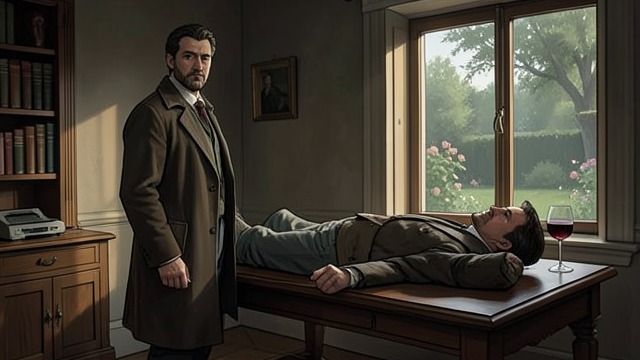
Barbara Franklin dies from poison, and the inquest returns a suicide verdict. Poirot has shaped the evidence so official scrutiny will end, even though he knows the death was murder.
The investigation continues
He tells Hastings that the public case is closed but their private hunt is not. When Stephen Norton later dies in a locked room and Poirot follows him, the mystery resolves into a revelation of manipulation, disguise, and murder.
At the opening, after Hastings receives Poirot's letter
Early in Hastings's first conversation with Poirot
During the opening days at Styles
After the argument over drinks on the verandah
After Barbara Franklin's inquest
