
The Apparent Luttrell Attempt
CurtainNorton turns a real marital grievance into an apparent attempt by George to kill Daisy, then the missed shot reveals both the danger and the limits of his influence.
increasing Bearing strength in each event
 decreasing
Bearing strength in each eventdecreasingPublic Humiliation
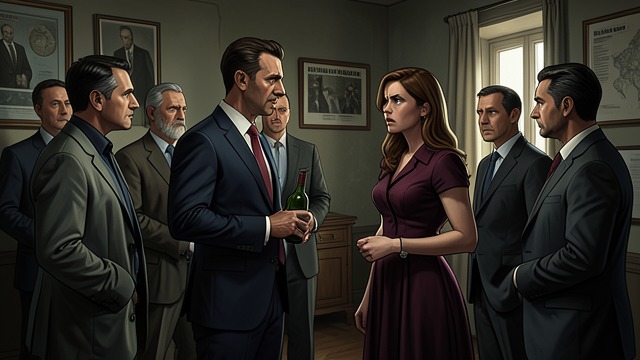
A Grievance Made Visible
The denied hospitality
George offers drinks to his guests, but Daisy confronts him and locks away the bottle. The exchange humiliates him in front of the men, echoing the private resentment Norton has been encouraging.
An audience matters
Norton has helped arrange the setting so the argument is overheard. The guests' presence magnifies George's shame and makes his later actions open to a murderous interpretation.
The Story of the Rifle
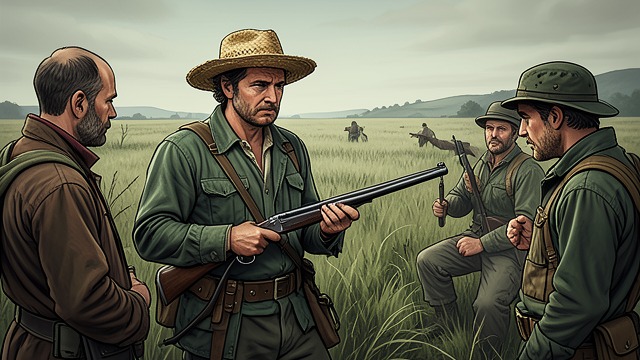
Violence Introduced as a Joke
A suggestive anecdote
Norton prompts conversation about shooting accidents, then Boyd Carrington repeats a story of a man pleased to have shot his brother. The tale gives violent release a comic, socially acceptable frame.
A pressure assembled indirectly
No direct command is given to George. Instead, humiliation, talk of rifles, and the image of revenge converge until the possibility of violence can seem like his own spontaneous thought.
The Shot at Daisy
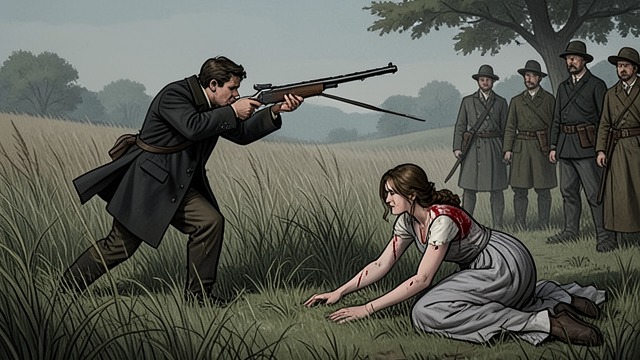
A Missed Killing
A sudden movement
George sees motion in long grass, mistakes Daisy for a rabbit, and fires his rifle. Daisy is wounded in the shoulder while tending a tree.
The apparent culprit
The guests have witnessed his grievance and the shot, so the event appears to implicate him completely. Poirot later interprets the incident as an attempted murder engineered by Norton's cumulative psychological pressure.
The Bedside Reversal
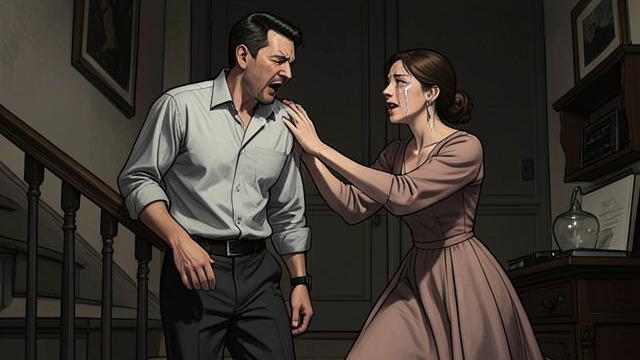
Love Interrupts the Scheme
Fear instead of triumph
George is shaken and struggles upstairs to see his injured wife. Daisy reaches for him, and he thanks God that she is safe.
A broken spell
The affection is not a performance. Poirot later concludes that George's instinct made him miss because he did not truly want Daisy dead; once he sees her harmed, Norton's influence dissolves.
A Failed First Attempt
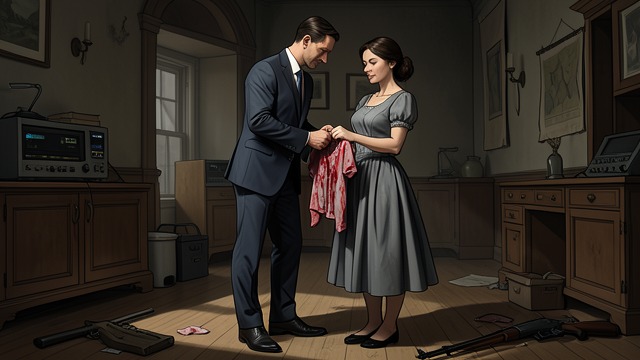
The Crime That Did Not Complete
An incomplete pattern
The shot provides the apparent means and suspect but not the death Norton wanted. George's genuine love and Daisy's survival prevent the staged grievance from becoming a finished murder.
Evidence of the method
Poirot reconstructs how social embarrassment and rehearsed violent images sharpened George's resentment. The failure does not make the manipulation less real; it shows that suggestion can push without fully controlling its target.
On the verandah, shortly before the shooting
Immediately after the argument, while the men sit outside
At dusk during the garden incident
Later that evening, when Daisy asks for George
In Poirot's final explanation of the Luttrell incident
