
Poirot's Performed Frailty
CurtainPoirot turns the household's belief in his physical helplessness into cover for investigation, intervention, and a final concealed killing.
increasing Bearing strength in each event
 decreasing
Bearing strength in each eventdecreasingThe Wheelchair Arrival
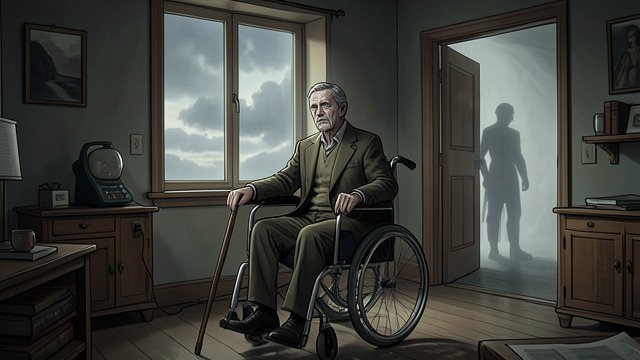
A Detective Apparently Finished
A visible decline
Poirot moves in a wheelchair and describes his body as ruined by arthritis. Hastings sees a frail old friend whose most useful years seem behind him.
A carefully accepted story
The performance encourages the household and Hastings to underestimate his mobility. Poirot's account of illness later proves misleading, but it first establishes the cover under which he operates.
Georges Sent Away
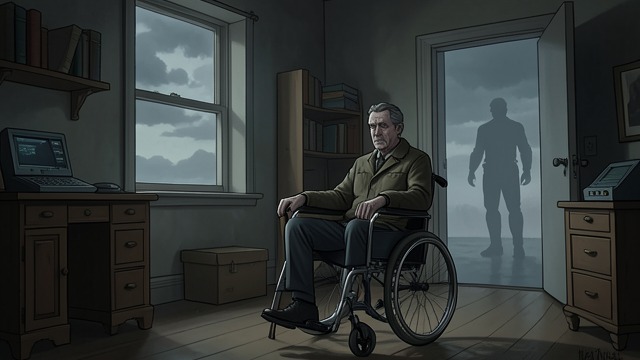
Removing a Perceptive Observer
A suspicious departure
Poirot says Georges has returned to his family because his father is ill. Georges later explains that Poirot himself arranged the departure and continued to pay him.
A necessary deception
Georges would have noticed that Poirot's body did not match the story of helplessness. Replacing him with Curtiss helps Poirot maintain the performance and prevents an intelligent valet from exposing it.
The Key Disappears
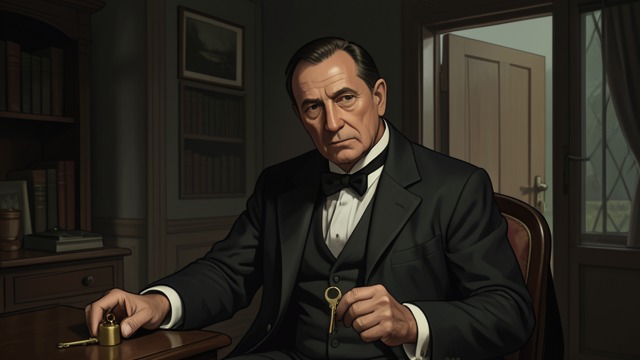
A Small Clue to Access
A missing key
Poirot mentions that his room key disappeared and that a replacement had to be made. Hastings treats the incident as one of Poirot's ordinary complaints rather than a clue.
A hidden duplicate
The replacement gives Poirot access to a room that will later appear locked from within. The detail becomes decisive only after he explains how Norton was killed.
A Keyhole and a Chocolate Cup
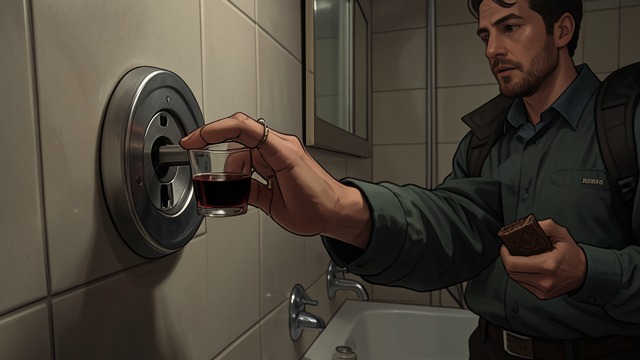
The False Invalid Acts
Seeing the danger
Poirot leaves his room, looks through the bathroom keyhole, and observes Hastings tampering with Allerton's tablets. He recognizes that his friend is about to commit a crime under Norton's influence.
Intervention concealed
He calls Hastings over and gives him sedative chocolate, keeping him away from the poisoned drink. The supposed invalid is mobile enough to act decisively when his friend is most vulnerable.
The Disguise Revealed
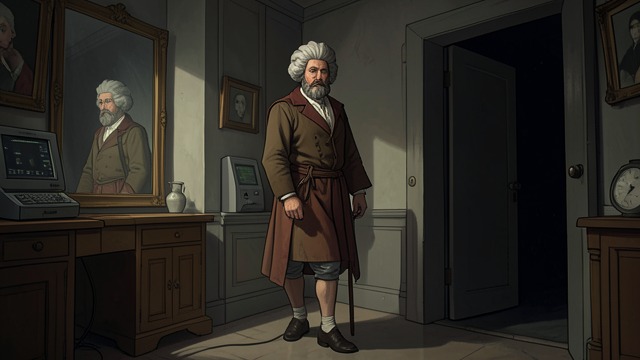
The Real Mechanism
Wig, beard, and movement
Poirot explains that he wore a wig and false beard, could walk with a limp, and had not been as ill as Hastings believed. He used these facts to impersonate Norton in the corridor.
The clue in plain sight
Hastings had been given the clues: Georges's departure, the duplicate key, and the unnatural performance of helplessness. Poirot admits that his friend's trusting nature kept him from connecting them sooner.
When Hastings first visits Poirot's room
Before the main events at Styles
Soon after Poirot settles into his new room
On the night Hastings prepares to poison Allerton
In Poirot's final manuscript
