
The Household's Competing Suspicions
CurtainGuests repeatedly mistake visible flaws and apparent motives for proof, showing how suspicion shifts as incomplete evidence is interpreted through personal bias.
increasing Bearing strength in each event
 decreasing
Bearing strength in each eventdecreasingHastings Suspects Allerton
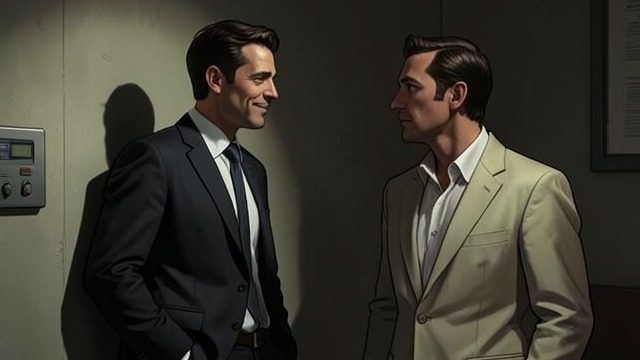
The Obvious Villain
Dislike becomes evidence
Hastings finds Allerton vain, sexually predatory, and morally untrustworthy. He quickly imagines that Allerton could be X, even though he has no evidence tying him to the earlier cases.
Bias narrows the field
The suspicion grows from genuine knowledge of Allerton's conduct but does not explain the pattern of deaths. Hastings's certainty shows how a real vice can distract from a different criminal method.
The Doctor Looks Guilty
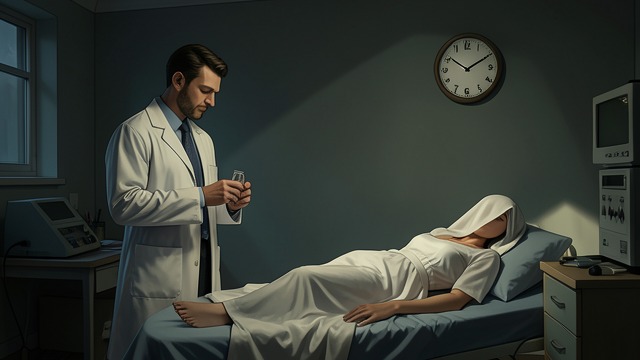
Suspicion Follows Opportunity
A plausible professional suspect
Franklin has laboratory access, knowledge of poisons, and a wife whose death frees him to pursue Africa. His bluntness after her death makes him appear callous.
The evidence misleads
Boyd Carrington and Nurse Craven suspect him, while the inquest hears a case for suicide. Poirot knows Barbara was the intended killer and that Franklin is not responsible for her poisoning.
The Suspicion on George
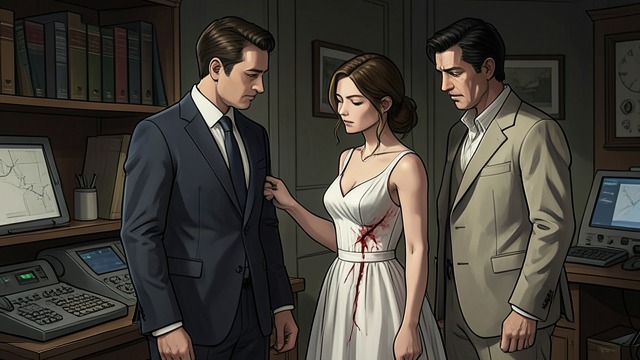
Motive in Plain View
A public quarrel
George has been humiliated by Daisy, then fires the shot that wounds her. Guests wonder whether the accident was intentional because both motive and opportunity appear present.
Affection complicates judgment
His distress at Daisy's bedside makes Hastings doubt the theory, but the incident still fits the apparent-culprit pattern. Poirot's explanation shows that Norton engineered the context rather than firing the rifle himself.
The Telescope's Mystery
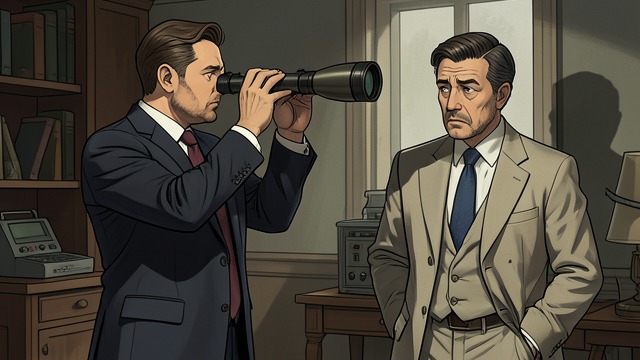
A Misread Glimpse
Hastings supplies the scene
Norton sees something through his telescope and resists handing it to Hastings. Hastings assumes the hidden sighting concerned Judith and Allerton because they dominate his thoughts.
The missing fact persists
The actual sighting remains undisclosed until Norton speaks to Poirot. The episode demonstrates how a witness may see something real while another person's obsession invents its meaning.
The Final Suspect Reversal
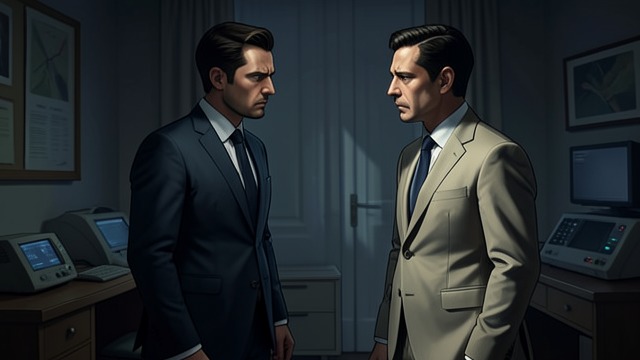
The Observer Was the Criminal
Innocence arranged as evidence
Norton is neither the direct killer in the earlier cases nor an innocent bystander. He manipulates other people into acting, leaving each with a motive and an apparent confession or means.
Poirot's guilt exposed
The final reversal identifies Poirot as Norton's killer, not because he was mistaken about Norton but because he chose extralegal punishment. Hastings's assumptions about appearance and guilt collapse together.
At the first dinner after Hastings arrives
After Barbara Franklin's death and inquest
Immediately after Daisy is shot
After Norton abruptly lowers his binoculars
After Hastings reads the manuscript in Eastbourne
