
Norton's Method of Influence
CurtainThe revelation of X recasts seemingly unrelated crimes as a single practice of finding another person's grievance and turning desire into action.
increasing Bearing strength in each event
 decreasing
Bearing strength in each eventdecreasingA Repeated Presence
The Unseen Common Factor
Different crimes, one observer
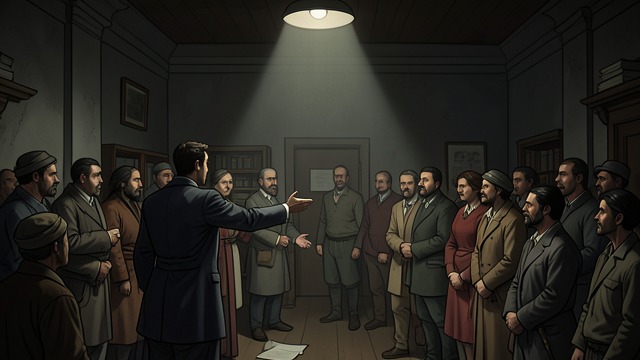
Poirot notes that the same person had connections to the Etherington, Sharples, Riggs, Bradley, and Litchfield cases. The suspects differ, but X repeatedly stands near the decisive event.
Not a conventional killer
The pattern initially seems to identify X as the direct murderer. Poirot later clarifies that X remains outside the physical act, making the apparent completeness of each case part of the method.
Catalysis Without a Hand

A Crime Made by Suggestion
The catalytic role
Poirot compares X's effect to a catalyst: the instigator appears present where reactions occur but does not visibly take part. Other people supply the motive, opportunity, and physical act.
Responsibility disguised
Because the direct actor seems guilty, investigators have little reason to look beyond that person. The method makes influence itself difficult to prosecute or even recognize.
Finding the Existing Seed
Grievance Before Suggestion
A target's private desire
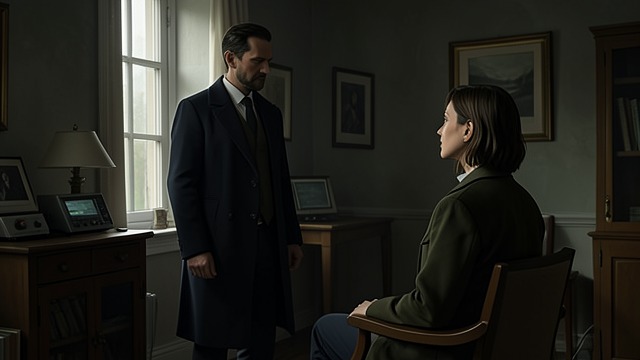
Norton does not create every violent wish from nothing. He finds anger, jealousy, despair, ambition, or a belief that another person's death would be beneficial.
Pressure rather than command
He supplies the words and circumstances that weaken resistance. The target experiences the decision as self-generated, which allows Norton to remain invisible while the crime takes shape.
Violence at Second Hand
Power Without Physical Risk
A quiet personality's leverage
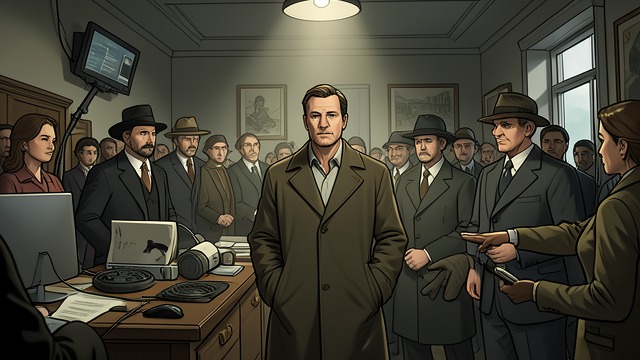
Norton is shy, physically slight, and easily overlooked. His ability to listen and understand people becomes a source of control over those with more visible strength.
A growing addiction
Poirot describes Norton's manipulation as a craving for psychological violence and power. He enjoys the fear and moral collapse generated through other people rather than the direct act alone.
The Victims Who Act

Apparent Agency and Hidden Design
Five people become suspects
The earlier deaths all have human actors who appear to have their own reasons for killing. Some confess, some are tried, and some escape prosecution.
A deeper account of guilt
Poirot believes most would not have acted without Norton's pressure. This does not erase their choices, but it complicates the simple division between innocent manipulator and guilty instrument.
When Poirot compares the five earlier cases
In Poirot's explanation after his death
During Poirot's reconstruction of Norton's history
As Poirot traces Norton's development
At the end of Poirot's account of the earlier cases
