
Guilt, Innocence, and Evidence
CurtainThe novel repeatedly separates legal conclusions, private motives, and actual responsibility, leaving no simple test for deciding who is guilty.
increasing Bearing strength in each event
 decreasing
Bearing strength in each eventdecreasingThe Ordeal Bean
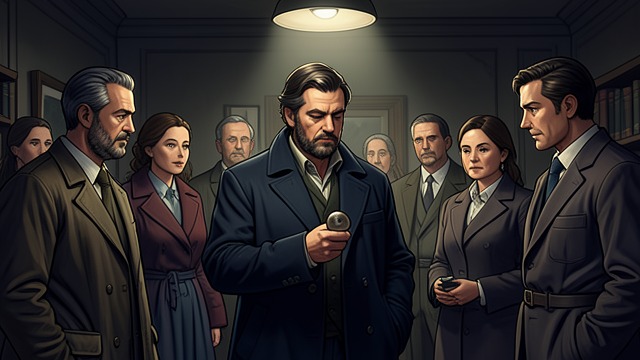
A Test That Cannot Decide
Scientific material, moral question
Franklin explains that different Calabar beans can produce different effects, despite their similar appearance. The ordeal ritual treats the bean as if it could distinguish innocence from guilt.
Belief is not proof
He argues that guilt depends partly on the actor's understanding of a deed. A person who believes killing is morally necessary may feel innocent even when society calls the act murder.
The Meaning of Guilt
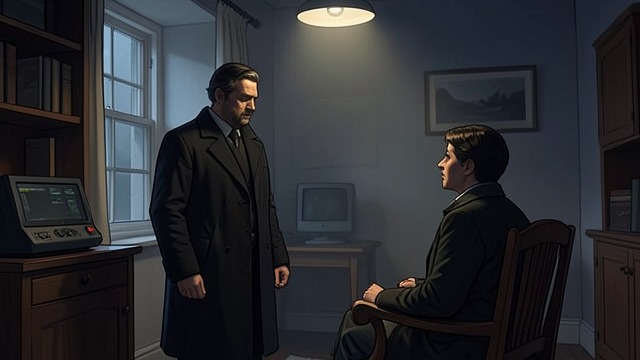
Conscience and Judgment
Franklin's challenge
Franklin questions whether a sense of guilt is a reliable moral test. A person might wish to kill someone considered harmful and feel no remorse afterwards.
Hastings's certainty unsettled
Hastings assumes murder must always produce guilt, but the discussion exposes the gap between law, conscience, and personal belief. The novel returns to that gap whenever characters justify violence as duty or mercy.
Confessions and Verdicts
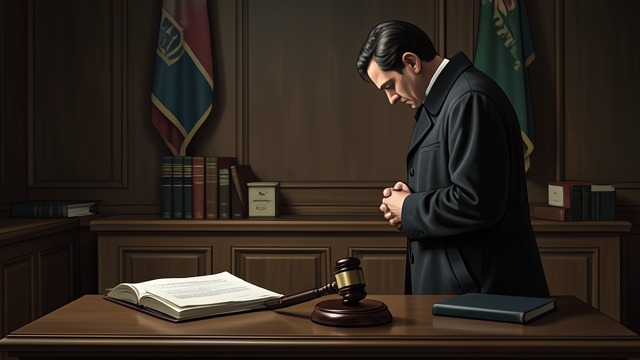
Public Answers, Private Doubt
A verdict closes a file
The earlier cases yield acquittal, conviction, confession, or an uncertain conclusion. Barbara's death is officially called suicide, while Norton's death is called the same despite a staged scene.
Legal certainty is fragile
A verdict depends on what witnesses notice and what evidence is presented. Poirot's testimony helps create Barbara's verdict, showing that authority and procedure can settle an account without making it true.
The Apparent Culprit
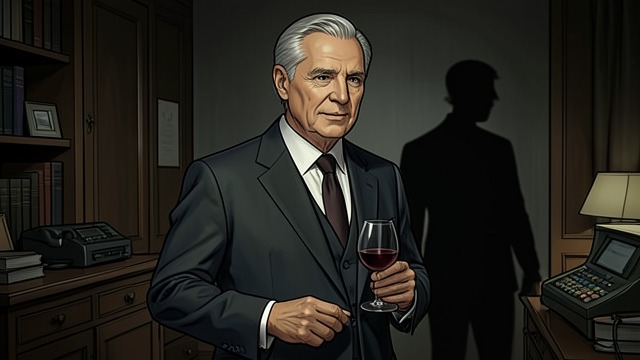
Evidence Points to the Actor
A persuasive surface
Each crime seems to contain the elements investigators need: motive, opportunity, means, and a person prepared for the dock. The apparent suspect is often not invented; that person really did act or confess.
What the evidence omits
It omits the pressure that preceded the act. Norton's influence survives because the law is built to assess observable conduct more readily than invisible persuasion.
Poirot's Uncertain Judgment
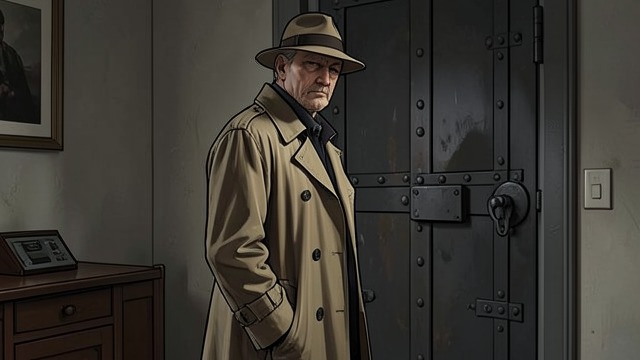
Justice Without Certainty
A deliberate killing
Poirot admits that he killed Norton because he believed no legal method could stop him. He invokes the lives he may have saved, but refuses to claim complete certainty that his act was right.
Humility after authority
His last appeal is not a confident verdict but an admission of not knowing. The detective who reads evidence for a living ends by confronting the moral uncertainty that evidence cannot remove.
During Franklin's early explanation of his research
During the laboratory conversation about murder
Across the five case summaries and the two inquests
When Poirot explains the pattern of X's cases
In the closing lines of Poirot's manuscript
