
The Older Murder Cases
CurtainThe histories of earlier deaths establish the pattern that lets Poirot recognize a hidden instigator behind apparently complete cases.
increasing Bearing strength in each event
 decreasing
Bearing strength in each eventdecreasingEtherington's Poisoning
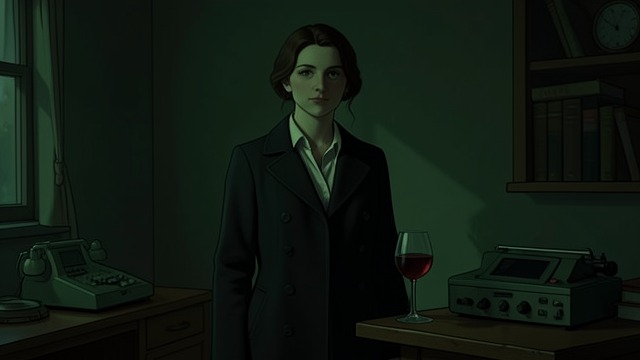
A Wife Under Suspicion
A plausible accusation
Leonard Etherington dies of arsenical poisoning, and his unhappy wife is tried. Her proximity to the poison and sympathy for another man make her a persuasive suspect.
An unresolved shadow
She is acquitted, though public opinion continues to condemn her. Poirot includes the case because an apparent culprit and a legally uncertain ending conceal how another person may have helped shape the crime.
The Morphine Overdose
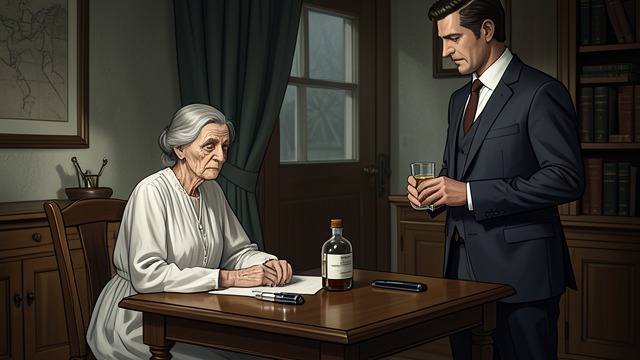
An Overdose and an Explanation
A niece's admission
An invalid spinster dies after receiving too much morphine from her niece, Freda Clay. The niece says she meant to relieve suffering, while police suspect deliberate killing.
Mercy as cover and motive
The case reveals how readily a private decision can be understood as compassion or murder. Poirot's larger pattern asks whether the apparent actor arrived at that decision entirely alone.
The Riggs Shootings
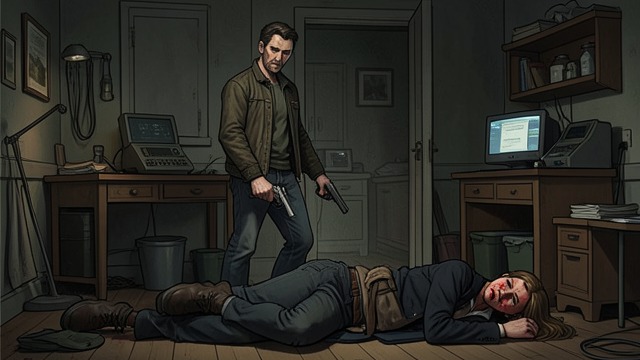
A Confession Without Memory
Jealousy and violence
Edward Riggs's wife and her lodger are found shot with Riggs's gun. He gives himself up, claiming he cannot remember the killings, and receives a life sentence.
A convenient certainty
His account closes the case for the authorities, even though the loss of memory leaves room for doubt. The episode helps Poirot identify how a crime can end with one obvious suspect and no serious alternative.
Bradley's Cyanide Death

Threat Followed by Poison
A wife's threat
Derek Bradley dies after cyanide is put in his beer. His wife had threatened him, breaks down during questioning, and is convicted.
Motive made visible
The threat supplies a ready-made explanation that appears to settle the case. Its neatness is precisely what makes it useful to Poirot's comparison: a persuasive motive can conceal a quieter influence.
The Litchfield Confession

A Daughter Takes the Blame
The tyrant's death
Matthew Litchfield has kept his daughters isolated and financially dependent. His eldest daughter, Margaret, confesses to killing him so her sisters might be free.
A lasting family wound
Margaret is declared insane and dies soon afterwards. Her sister Elizabeth continues to doubt that Margaret truly committed the crime, an uncertainty that gives the old case a personal rather than merely evidentiary cost.
In Poirot's case review, before the Styles incidents
In Poirot's case review, after the Etherington account
In Poirot's case review, before the Styles return
In Poirot's case review, alongside the other earlier cases
Introduced before Hastings recognizes Elizabeth's identity
