
The Detective's Fair Play
CurtainPoirot's choices about what to disclose, whom to protect, and how to stage evidence turn fair play from a procedural ideal into a moral dispute.
increasing Bearing strength in each event
 decreasing
Bearing strength in each eventdecreasingHastings Demands the Truth
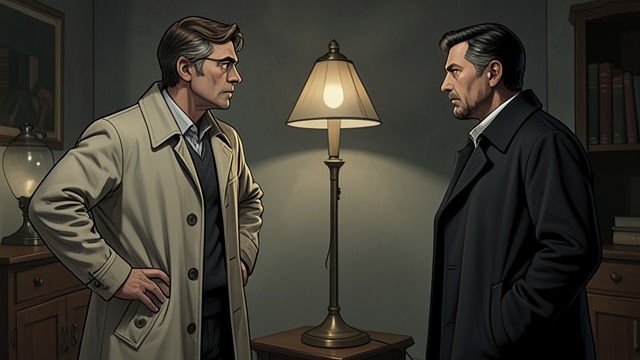
A Partner Kept in the Dark
An argument about fairness
Hastings complains that Poirot is withholding X's identity and treating the investigation like a game. Poirot insists the priority is to discover who will die.
Knowledge as danger
Poirot says that information could expose Hastings to the killer. His secrecy is protective, but it also makes Hastings an instrument whose role he cannot understand.
Eyes and Ears
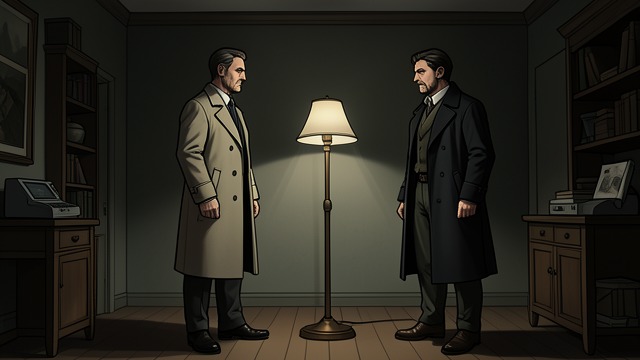
A Different Partnership
Observation over deduction
Poirot asks Hastings to watch, listen, and follow people rather than guess at X. Hastings resists intrusive methods but accepts that preventing a death matters more than winning a puzzle.
A partial trust
Poirot does not fully disclose the plan, yet depends on Hastings's honest observations. Their working relationship becomes ethically complicated because Hastings is both collaborator and unwitting source of evidence.
Evidence Bent Toward Suicide
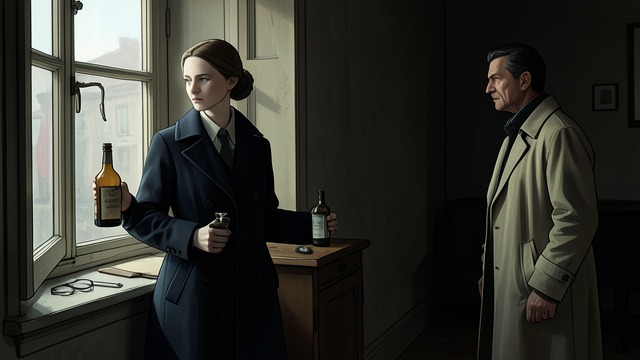
A Deliberate Public Account
Poirot's testimony
Poirot stresses Barbara's melancholy and says he saw her leave the laboratory with a bottle. He knows his words will carry weight with the coroner and jury.
Protection through distortion
He wants a suicide verdict to protect Franklin and Judith from suspicion. His decision may spare innocents, but it also diverts the law from a murder he knows occurred.
A Murder Staged as Suicide
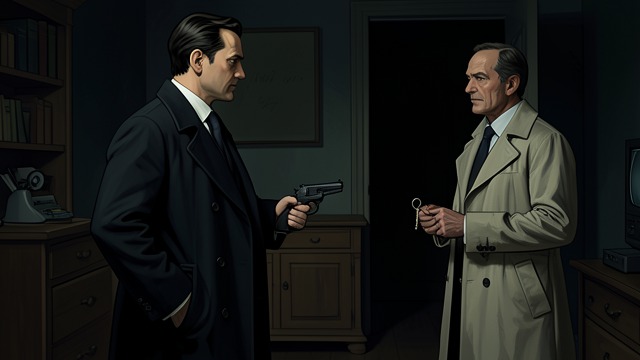
The Investigator Manufactures a Case
Props and testimony
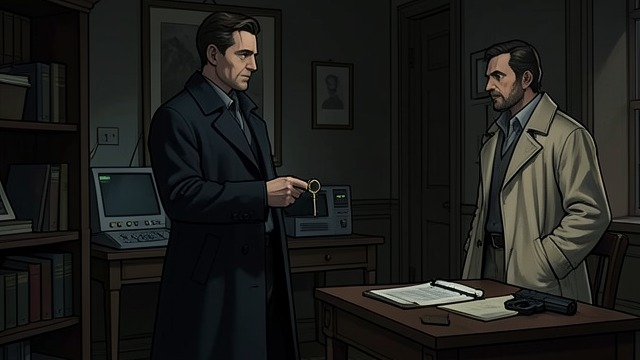
Poirot uses a disguise, a duplicate key, a pistol, and Hastings's mistaken identification to create a persuasive locked-room death. He knows exactly how an observer will interpret what is visible.
Fairness abandoned
The detective's deception is not a trap designed to prove a suspect's guilt in court. It hides his own killing and exposes the hypocrisy of someone who has long criticized others for reaching conclusions too quickly.
The Clues Left Behind
A Final Chance to Judge
Information finally supplied
Poirot lists clues that could have exposed him: the changed valet, his room key, his assumed helplessness, and the unusually centered bullet wound. He says he chose not to make his own murder appear like an ordinary accident.
Fair play as confession
The manuscript gives Hastings a chance to reconstruct the truth, but only after Poirot is dead. Fair play arrives too late to prevent the killing; it serves instead as confession and invitation to judge.
Early in the investigation at Styles
After Poirot explains Hastings's role
At Barbara Franklin's inquest
On the night Norton dies
After Poirot's manuscript arrives
