
Hastings's Bereavement and Memory
CurtainGrief for his wife and Poirot shapes Hastings's return to Styles, where nostalgia comforts him while repeatedly distorting his view of the present.
increasing Bearing strength in each event
 decreasing
Bearing strength in each eventdecreasingThe Train Journey

The Past Called Back
A widower's reflection
Hastings travels through Essex thinking of the first time he came to Styles and of the war that shaped his youth. He longs to relive a past he remembers as more promising than it felt at the time.
Loss beside memory
His wife is buried in Argentina, leaving him lonely. The journey's nostalgia is therefore both pleasure and pain, setting the emotional tone for his reunion with Poirot.
The Old Days Corrected
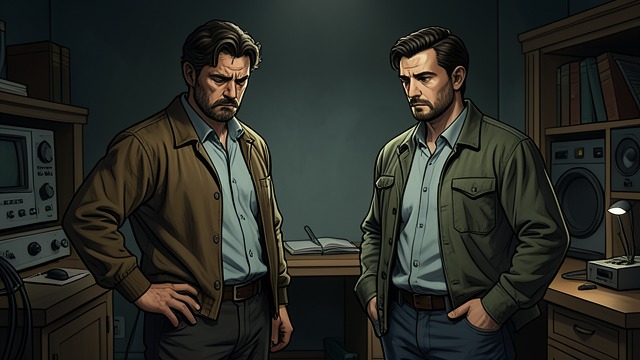
Memory Versus Experience
Poirot challenges the romance
Hastings calls the earlier days happy, but Poirot recalls his own exile and Hastings's wounds, depression, and romantic confusion. Their disagreement makes nostalgia less reliable than it first appears.
A shared history remains
Poirot does not dismiss their friendship; he asks Hastings to look forward to work rather than live in the past. Memory becomes a bond that can be affectionate and inaccurate at once.
Cinders in the Night

A Memory Interrupts the Case
A private recollection
As others watch shooting stars, Hastings remembers carrying his wife outside to see the sky. The memory returns with such force that he turns away to hide his tears.
Grief opens a vulnerability
The moment helps explain why he is distracted when the coffee cups are left unattended. His bereavement is not separate from the plot: memory shapes both his attention and his actions.
The Friend's Death
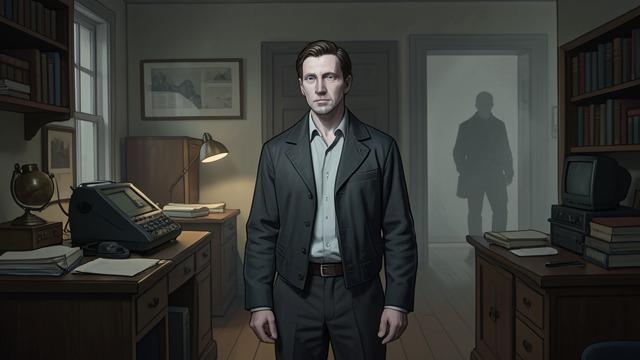
Loss Without Explanation
Poirot is gone
Hastings learns that Poirot has died of an apparent heart attack. He refuses to believe that the death was natural, but cannot yet explain what happened.
Grief and bewilderment
He describes losing a large part of himself with Poirot. The case's unanswered questions are intensified by the disappearance of the friend who could have interpreted them.
A Future Beyond Mourning
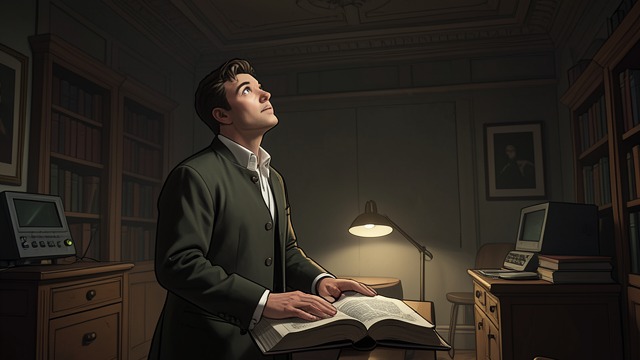
Grief Given a Task
The confession changes memory
Poirot's manuscript explains the crimes and makes Hastings reconsider the moments he witnessed. Their shared life now includes a secret Hastings had failed to see while Poirot was alive.
A path forward
Poirot directs him to Elizabeth and asks him to restore her faith in her sister. The instruction gives Hastings a human connection and purpose beyond mourning, though it cannot undo his losses.
At the opening, on the train to Styles St Mary
During Hastings and Poirot's first conversation
During the shooting-star scene in Barbara's room
After Norton is discovered dead
After reading Poirot's final letter
