
Barbara's Reinvention and Ambition
CurtainBarbara shifts between invalid, devoted wife, and charming companion, while her dissatisfaction and hopes for a different life shape her plan to poison Franklin.
increasing Bearing strength in each event
 decreasing
Bearing strength in each eventdecreasingThe Frail Invalid
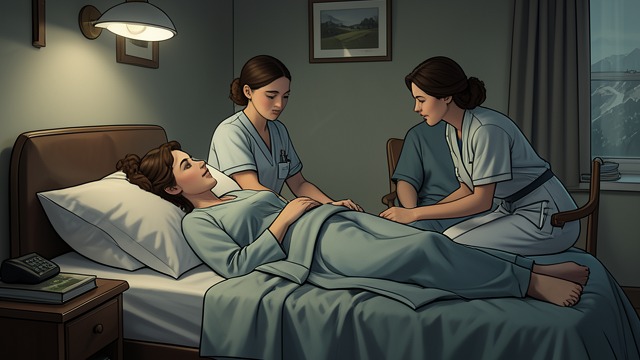
A Carefully Presented Patient
Fragility on display
Barbara lies among pillows and speaks of her poor health, while Nurse Craven and Judith offer sharply different judgments of her character. Her dependence draws attention and assistance.
A role others interpret
Some see a genuinely delicate woman; others believe she uses illness to control the household. The uncertainty around her condition becomes a source of suspicion and a tool in the later inquest.
The Self-Sacrificing Wife
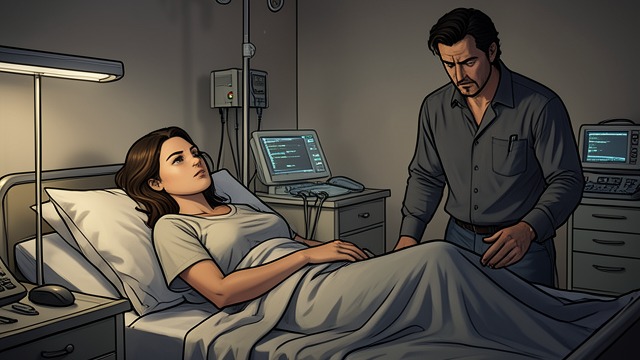
A Burden in Her Own Words
Reluctant dependence
Barbara says she feels ashamed to hinder Franklin's career and sometimes wishes to end her life. She appears to place his opportunities above her own comfort.
A story with another purpose
Poirot later recognizes that these remarks could prepare witnesses to believe she had died by suicide. Her performance makes an unconvincing account seem credible because it resembles what she has already said.
The Devoted Admirer

A New Version of the Marriage
Praise for Franklin
Barbara calls her husband a kind of saint, celebrates his dedication, and claims to fear that he will test Calabar-bean poison on himself. Her concern appears affectionate and specific.
A planted explanation
The story prepares the household to imagine Franklin's poisoning as self-experimentation. Poirot later sees it as part of Barbara's plan to make his death appear accidental.
The Widow's Desired Future

Disappointment and Ambition
An unsatisfactory match
Poirot concludes that Barbara had expected Franklin's brilliance to bring status and money, but his research career would not make him publicly celebrated. Her illness and marriage were shaped by disappointment.
A possible new life
She remained attached to Boyd Carrington and may have imagined becoming his wife if Franklin died. The possibility gives her poisoning plan a social and romantic motive beyond supposed mercy.
The Poisoned Cup
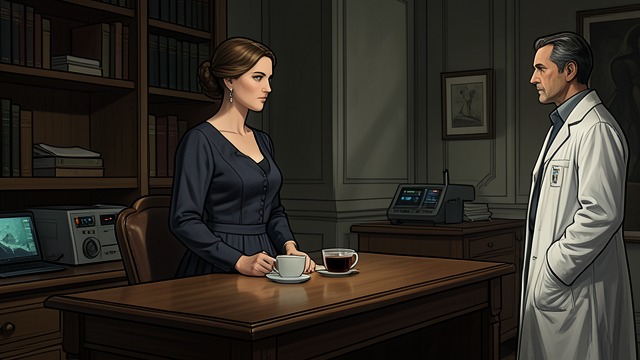
A Role Ends in Death
A plan reversed
Barbara prepares poison for Franklin, but drinks the wrong coffee after the cups are switched. The woman who had shaped stories about illness and self-sacrifice dies by the poison she intended for someone else.
No simple victimhood
Her death is accidental in the immediate mechanics but follows a deliberate attempt to kill. Poirot conceals that truth to protect Franklin and Judith, leaving Barbara's final public identity as a suicide.
When Hastings first visits Barbara's room
During conversations about Franklin's Africa appointment
On the morning Barbara discusses Franklin's experiments
Reconstructed after Barbara's death
On the evening Barbara dies
