
Norton's Death and Poirot's Own End
CurtainNorton's staged death appears to trigger Poirot's final collapse, while the missing medical ampoules and manuscript leave the detective's last choice morally unresolved.
increasing Bearing strength in each event
 decreasing
Bearing strength in each eventdecreasingA Doctor's Warning
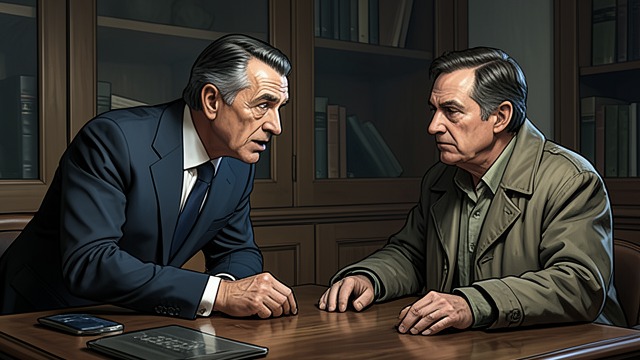
The Failing Heart
A short horizon
Franklin tells Hastings that Poirot's heart is seriously weakened and could fail at any moment. Poirot knows the prognosis and wants to finish his case.
The reason for secrecy
Poirot's urgency is not merely professional pride. He fears Norton may act before natural death claims him, and he has arranged for Hastings to find clues if he does not survive.
The Last Night's Unease
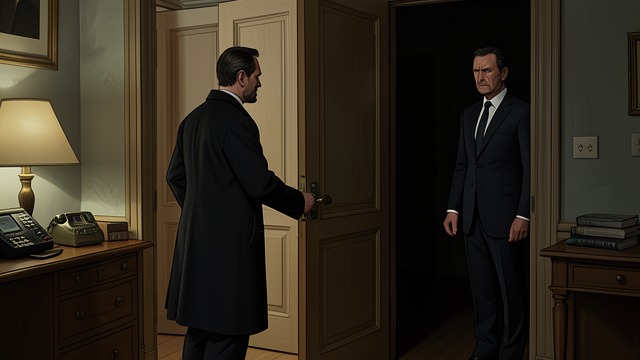
A Key Turns in the Dark
An ordinary sound becomes ominous
Hastings hears Norton enter his room and turn the key. He remembers that Poirot's own key once disappeared, but does not connect the detail to an imminent crime.
The storm deepens suspicion
Thunder and rain make the house feel more threatening. Hastings locks his own door and goes to sleep, unaware that the figure he saw was Poirot in disguise.
Norton's Body
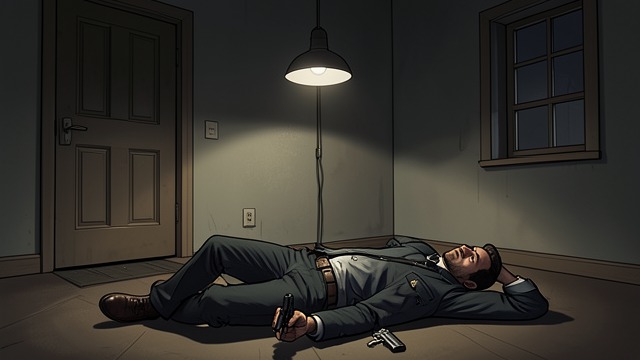
A Death Declared Suicide
A locked room discovered
Norton is found shot in the forehead, his small pistol in hand and key in his pocket. The door and shuttered windows seem to exclude an intruder.
Doubt beneath the arrangement
Hastings accepts the suicide explanation at first, while Poirot insists Norton was deliberately killed. The detective's statement begins the final reversal but does not yet disclose his own involvement.
Poirot Dies
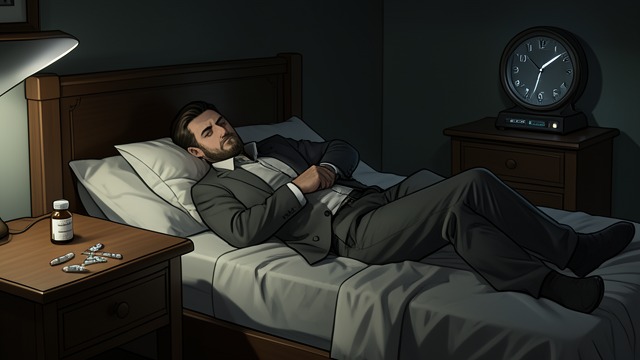
The Second Loss
A sudden end
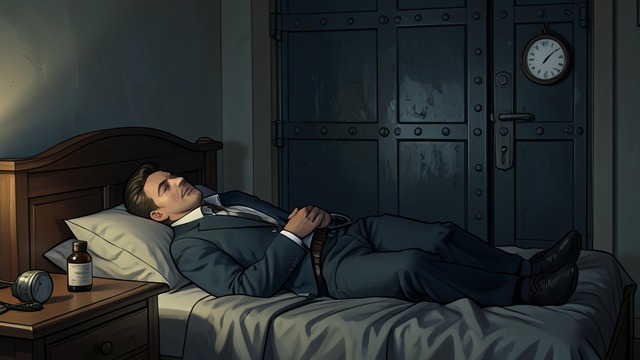
Curtiss finds Poirot dead after what is reported as a heart attack. His amyl nitrite ampoules are not beside the bed, though they should have been available.
Hastings refuses the easy account
Hastings suspects someone removed the medicine but cannot prove it. He assumes X killed Poirot, not knowing that Poirot has deliberately left the ampoules away and accepted his own death.
A Chosen End
The Last Decision
No rescue attempted
Poirot says he moved the ampoules and left himself to God's mercy, rather than prolonging his life after killing Norton. The exertion of the murder has strained him, but he does not claim it as the sole cause.
A final uncertainty
He cannot decide whether his action was justified and does not seek a simple absolution. His death closes the case while leaving Hastings to carry the truth and its moral questions.
After Poirot agrees to be examined by Franklin
During the storm before Norton's body is found
The morning after the storm
Shortly after Hastings reports Norton's death
In Poirot's manuscript, written before his death
