
Norton as the Perfect Criminal
CurtainNorton's apparently mild personality hides an appetite for control, and his success depends on leaving direct evidence of each crime in someone else's hands.
increasing Bearing strength in each event
 decreasing
Bearing strength in each eventdecreasingThe Inconspicuous Guest
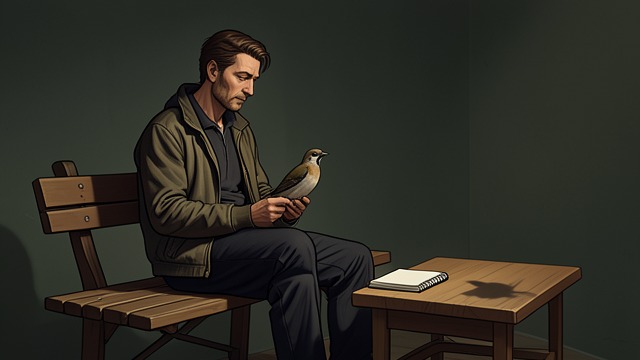
A Person Easily Overlooked
Quiet and harmless appearance
Norton appears shy, physically unimpressive, and absorbed in birds. Hastings initially thinks his insignificance might make him a plausible criminal but dismisses him because nature seems wholesome.
The disguise of gentleness
His mildness grants him access to intimate conversations without attracting scrutiny. The traits that make him seem weak become the means by which he studies other people.
A Listener Who Notices
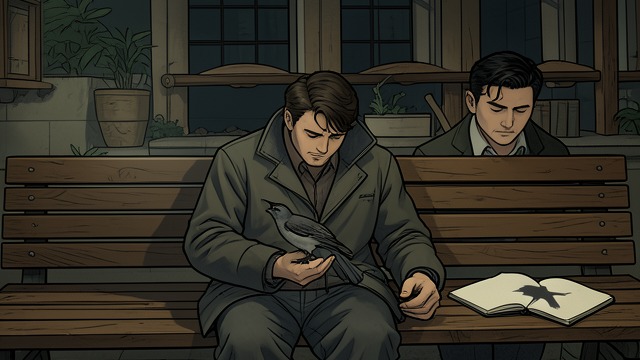
Attention as an Instrument
The quiet observer
Elizabeth says Norton notices a great deal, despite his ineffectual manner. His attentiveness is not merely a harmless personality trait; it lets him learn private fears and resentments.
Knowledge before pressure
Norton can suggest the right idea because he first understands what is already present. His victims do not experience him as a commanding stranger but as a sympathetic listener who seems to grasp them.
The Need for Second-Hand Violence
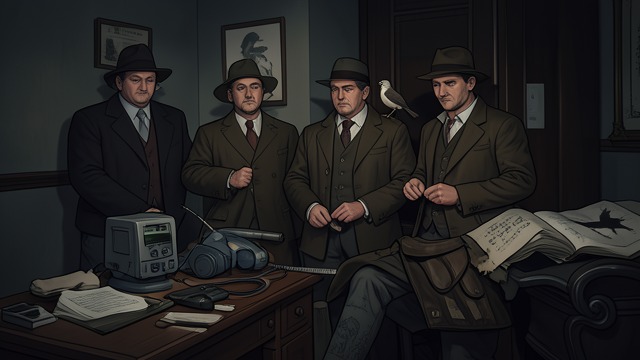
Power Through Other People
A wounded self-image
Poirot connects Norton's childhood beneath a masterful mother and school humiliation over his aversion to blood with a desire to prove power. Norton discovers that he can make people act without physically overpowering them.
Addiction to influence
The pleasure of control grows into a craving for psychological violence. Norton's seeming gentleness conceals a need to experience fear, guilt, and destruction at second hand.
Crimes Without a Handprint

The Perfect Distance
Others perform the act
Norton connects with suspects in five different cases but does not appear to supply the poison, pull the trigger, or confess. The apparent killers provide investigators with a simple endpoint.
A method built to evade law
Because he remains outside the direct chain of action, evidence points toward the person he influenced. His crimes are nearly perfect not because nobody dies, but because the wrong person appears to explain each death.
The Observer Becomes a Victim
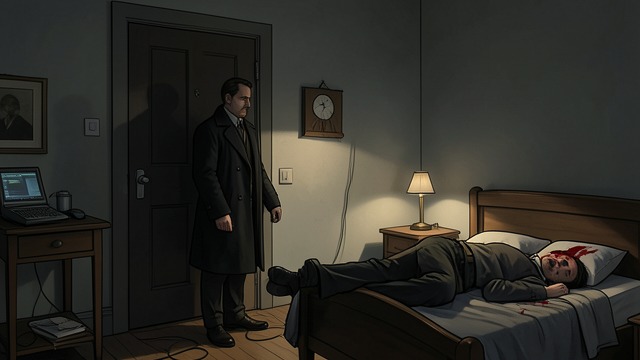
The Method Turns Inward
Exposure at last
Poirot explains Norton's method to him and refuses to wait for another attempted crime. Norton is confronted not as a quiet bystander but as the author of repeated manipulation.
A new perfect arrangement
Poirot kills him and constructs a locked-room suicide, reproducing the apparent completeness of Norton's own crimes. The perfect criminal is stopped through a crime designed to be discovered by the friend he deceived.
When Hastings first evaluates the household
During Elizabeth's description of Norton
In Poirot's reconstruction of Norton's earlier life
As Poirot compares Norton's five earlier cases
On the night Poirot confronts Norton
