
The Past and Present at Styles
CurtainHastings's memories of the earlier Styles murder color his reading of the present, until he learns that history repeats through human choices rather than a haunted house.
increasing Bearing strength in each event
 decreasing
Bearing strength in each eventdecreasingThe First Return
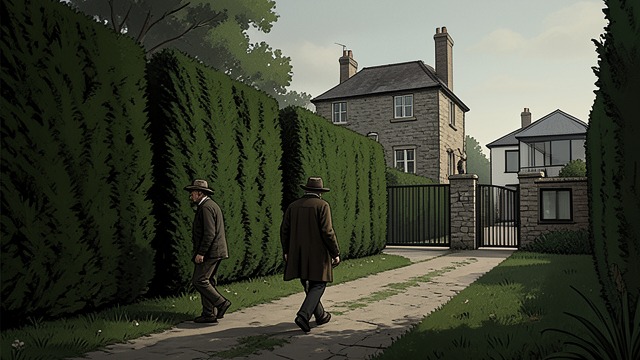
A Familiar Landscape
Recognition and change
Hastings recognizes the grounds and exterior of Styles, though the village has expanded and the estate has become a guest house. Familiar geography meets a transformed social world.
Memory creates expectation
The return recalls his youth and the earlier murder. He arrives ready to experience the past again, a readiness that makes the new danger feel like a repetition before its cause is understood.
The Old Case Invoked
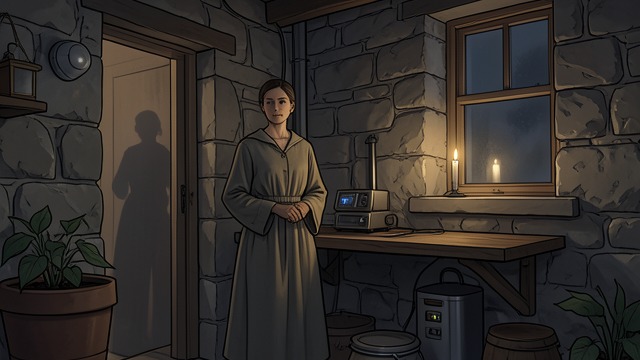
The House's Reputation
A crime remembered
Hastings tells Judith about Mrs Inglethorp's poisoning, while Nurse Craven asks about the old murder and senses something wrong in the house's atmosphere.
History becomes a lens
The earlier crime gives the guests a story through which to interpret present unease. Their belief in a sinister atmosphere is not proof, but it makes suspicion easier to awaken.
False Happy Days

Nostalgia Corrected
An idealized recollection
Hastings initially remembers the old Styles as a happier place. On reflection, he recalls unhappy marriages, financial dependence, and people trapped by the household's power.
Similar unhappiness now
He recognizes that the current guests are also lonely and constrained. The house has not created their misery, but it seems to collect people whose private troubles can be exploited.
The Second Locked Door
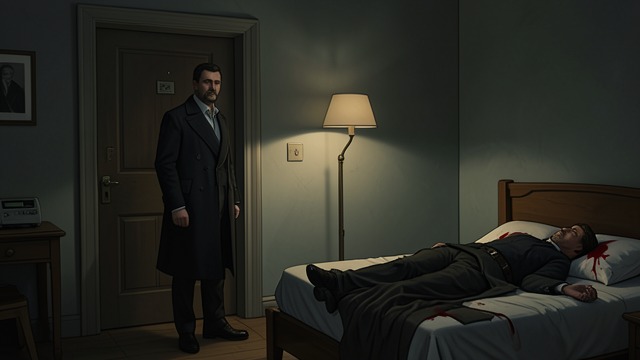
Repetition with a Difference
An old pattern returns
A locked door and a violent death echo the earlier Styles murder. Hastings recognizes the scene as a repetition but cannot yet see who has designed it.
A detective becomes the author
The apparent recurrence is not a supernatural cycle: Poirot has staged the room himself. The present reshapes the past by making the detective, rather than the household's obvious suspect, the hidden agent.
Human Causes Revealed
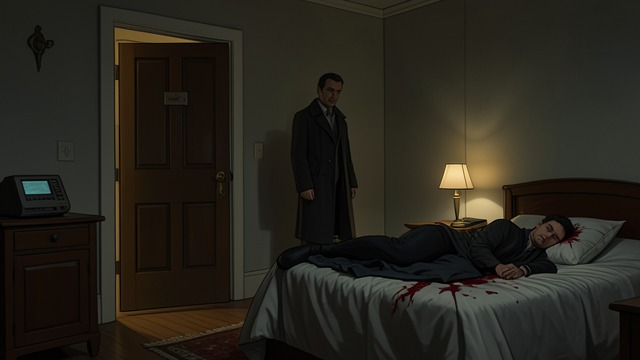
No Curse Needed
The mechanisms behind recurrence
Poirot's account connects the deaths to Norton's psychological coercion, Barbara's ambition, Hastings's fear, and Poirot's own decision. The house supplies atmosphere, not supernatural force.
Memory made useful
Hastings's old associations ultimately help him recognize the centered bullet wound as a meaningful sign. The past is neither simply happy nor simply cursed; it is a record that can correct present judgment.
As the taxi approaches the house
During Hastings's first conversations with Judith and Nurse Craven
During Hastings and Elizabeth's conversation about the past
When the household breaks into Norton's room
After Hastings receives the manuscript
