
Hastings's Changing Judgment
CurtainHastings moves from confident loyalty and paternal alarm through a near-crime of his own to the painful recognition that he repeatedly misread the people closest to him.
increasing Bearing strength in each event
 decreasing
Bearing strength in each eventdecreasingA Lonely Return
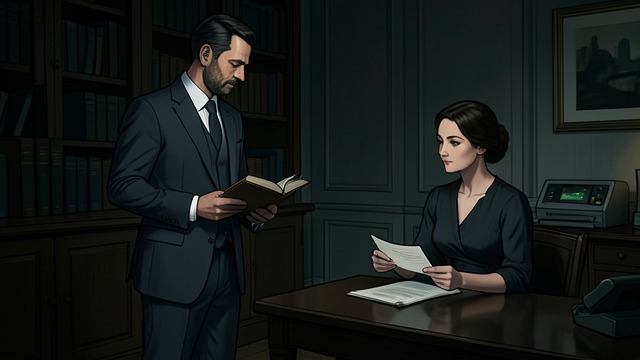
The Bereaved Observer
A life marked by loss
Arthur Hastings travels to Styles carrying grief for his dead wife and the loneliness of a man whose children live far away. The return renews memories of youth but also exposes how much has changed.
Faith in an old friend
He expects comfort from Hercule Poirot, whose friendship has shaped his life. That trust becomes both an emotional refuge and a vulnerability when Poirot withholds what he knows.
Paternal Fear

Fear for Judith
An anxious father
Hastings believes Judith is falling in love with Major Allerton, whom he considers dangerous and dishonourable. Her reserve and anger make him feel shut out rather than reassured.
A judgment shaped by love
He mistakes paternal protectiveness for clear understanding. The fear of failing his daughter makes him susceptible to exactly the emotional pressure that Stephen Norton applies.
The Poisoning Plan
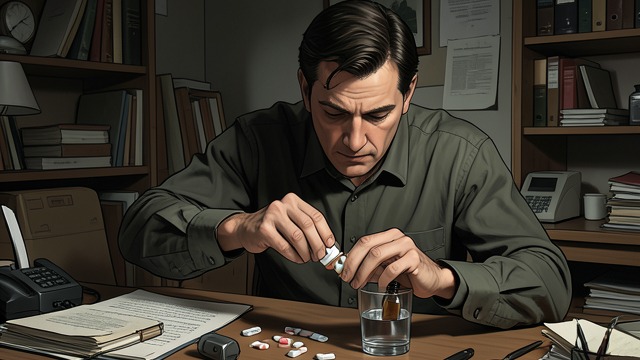
A Choice Made in Panic
A false picture
Hastings believes Allerton is arranging a secret meeting with Judith and hears enough to imagine her future ruined. He decides to replace some of Allerton's sleeping tablets with aspirin and add poison to a drink.
A near transformation
He takes precautions as if he were a practiced criminal, justifying murder as protection. Falling asleep prevents the act, but the plan shows how easily Norton's prompting has turned decency into a weapon.
Relief and Shame
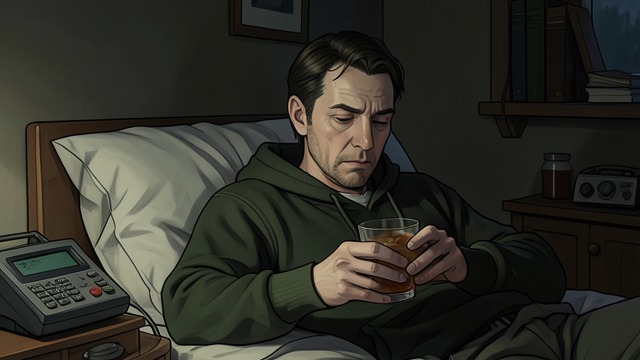
Awakening from a Violent Impulse
The plan falls away
Hastings wakes to daylight and sees the drink he had prepared. With his panic diminished, he recognizes the enormity of what he nearly did and confesses to Poirot.
Poirot's warning
Poirot explains that Hastings would likely have been suspected, not least because the altered tablets and his anger would point toward him. The episode teaches Hastings that sincere motives do not protect a person from becoming dangerous.
The Final Recognition
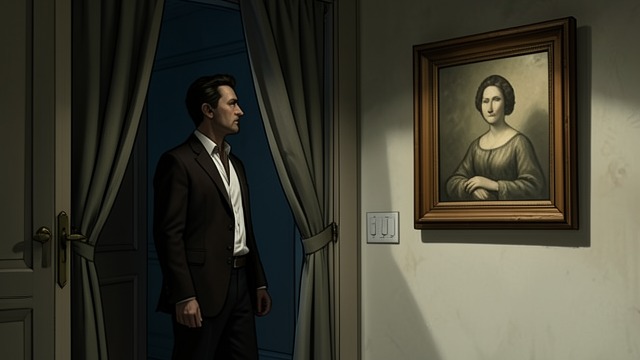
A Friend's Last Correction
Misread loyalties
Hastings learns that Judith loved Dr John Franklin, not Allerton, and that Poirot had hidden crucial truths to protect him and others. His assumptions about his daughter and the household collapse.
Grief becomes responsibility
Poirot's manuscript reveals that Hastings himself was manipulated into nearly killing. It also asks him to tell Elizabeth that Margaret was innocent, giving his final task a chance to repair another person's life.
At the opening journey to Styles
After Hastings sees Judith with Major Allerton
Late at night, after Hastings overhears the summerhouse conversation
The morning after the abandoned plan
After receiving Poirot's sealed manuscript in Eastbourne
