
A Marriage as Obligation
CurtainThe guests' debate over divorce and fidelity reveals sharply different moral codes, especially Franklin's commitment to a marriage he no longer loves.
increasing Bearing strength in each event
 decreasing
Bearing strength in each eventdecreasingThe Debate Begins

Divorce and Endurance
Conflicting principles
The guests debate whether easier divorce makes people happier or allows them to escape temporary estrangement. Their opinions do not neatly match their own histories.
Marriage as public question
The discussion gives private grievances a moral vocabulary. The Franklin marriage, George and Daisy's quarrels, and Boyd Carrington's past are all present beneath the abstract argument.
Franklin's Contract

A Vow as Responsibility
A strict code
Franklin says that a man chooses his wife and remains responsible for her until one of them dies. Divorce, to him, creates a disorder of unfinished obligations.
A principle with consequences
His view explains why he did not leave Barbara even when their marriage was unhappy. It also prevents him from acting on his love for Judith while Barbara remains alive.
Boyd Carrington's Reverence
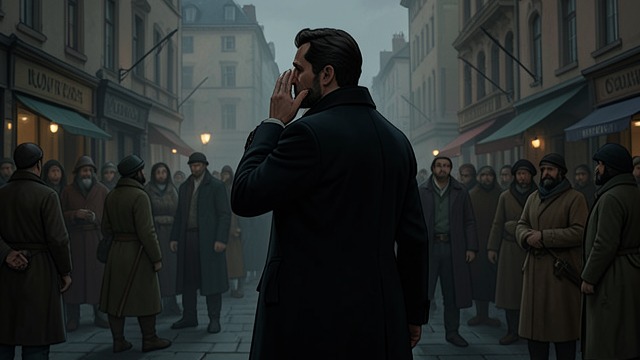
The Romantic Traditionalist
A marriage that ended in grief
Boyd Carrington supports an indissoluble marriage bond despite having lost a wife whose alcoholism made their life tragic. He treats marriage as a foundation of society.
Sentiment and restraint
His old affection for Barbara does not lead him to urge divorce or demand that she leave Franklin. His code makes the possibility of marrying her after Franklin's death emotionally complicated.
Franklin's Hidden Love

Feeling Concealed by Conduct
Abruptness mistaken for indifference
Franklin is curt with Judith, rarely looking at her, and gives orders rather than expressing affection. Hastings reads the behavior as poor manners and worries that Allerton seems more attractive by contrast.
A disciplined attachment
Poirot later recognizes Franklin's brusqueness as the behavior of a man deeply in love but unwilling to betray his marriage commitment. His restraint shapes the entire emotional triangle.
A Bond Reopened
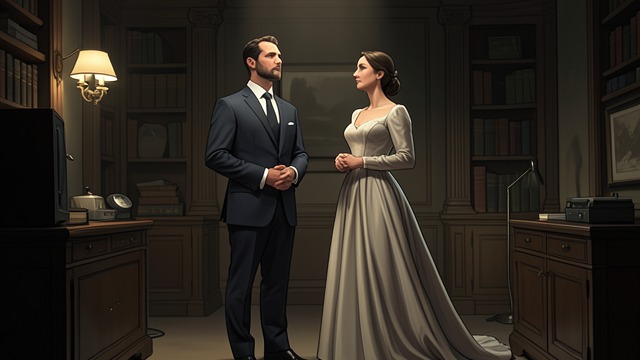
Commitment Changes Form
The former obstacle gone
After Barbara's death, Franklin and Judith can choose a life together without violating his code of fidelity. Judith will join his research work in Africa as his wife.
A future beyond the guest house
Their plan is not a return to the social ambitions Barbara held. It is a new partnership centered on work, shared hardship, and the freedom to leave Styles behind.
After Daisy's recovery, during the afternoon discussion
During the debate about marriage
During the same discussion at Styles
Before Barbara's death, while Judith and Franklin work together
After the funeral, when Franklin and Judith announce their marriage
