
The Meaning of Being Seen
CurtainObjects, looks, and overheard words become unreliable evidence because each observer sees through expectation, distraction, or deliberate staging.
increasing Bearing strength in each event
 decreasing
Bearing strength in each eventdecreasingThe Speaking Countenance
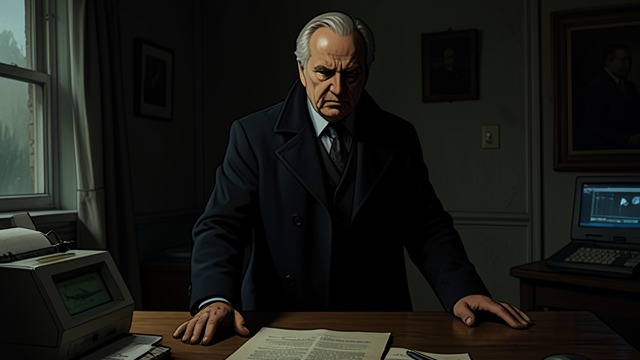
A Face That Gives Too Much Away
Poirot's excuse
Poirot says Hastings cannot know X's identity because his face would reveal recognition. Hastings objects that he can keep a secret, but Poirot insists he is transparent.
A deeper concealment
Poirot's stated reason is only partly true. He withholds the name because knowledge would be dangerous and because he needs Hastings to accept certain appearances without question.
A Telescope Misread
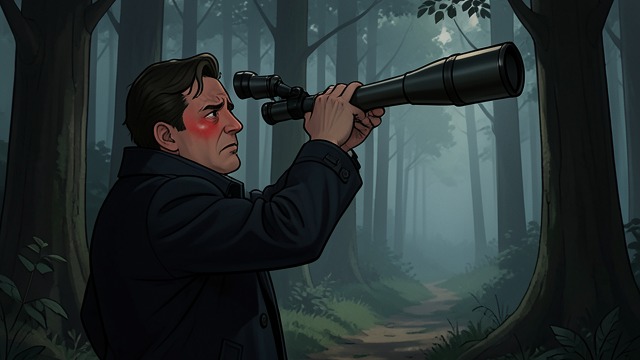
Looking Without Understanding
A glimpse interrupted
Norton raises his telescope toward the woods, then becomes embarrassed and refuses to let Hastings see. Hastings assumes the sighting concerns Judith and Allerton.
The observer's projection
Hastings sees only a white shape disappearing among trees, yet treats his own theory as confirmation. The episode shows that looking closely cannot help when the observer has already decided what the image means.
Coffee and Distraction
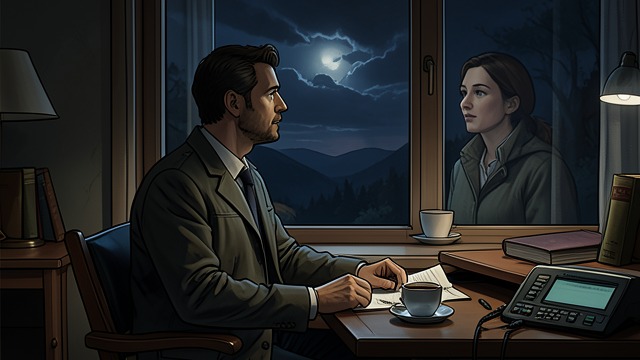
Attention Leaves the Table
A room briefly emptied
The guests move onto the balcony to watch shooting stars, leaving Hastings alone with the coffee and his memories. Judith's voice and the night sky divide his attention.
A fatal gap in observation
The cups are exchanged while Hastings bends over a bookcase. He later cannot explain the death from what he saw because his attention was turned elsewhere at the decisive moment.
The Corridor Figure
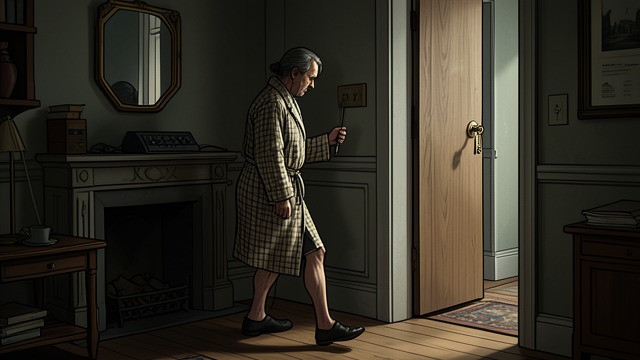
An Identification Without a Face
A brief sighting
Hastings sees a short, limping figure in Norton's checked dressing gown go into the room. He hears the key turn and believes he has witnessed Norton's return.
Expectation supplies identity
He never sees the man's face. Poirot's disguise works because gown, gait, and context are enough for Hastings to become certain.
The Evidence of Symmetry
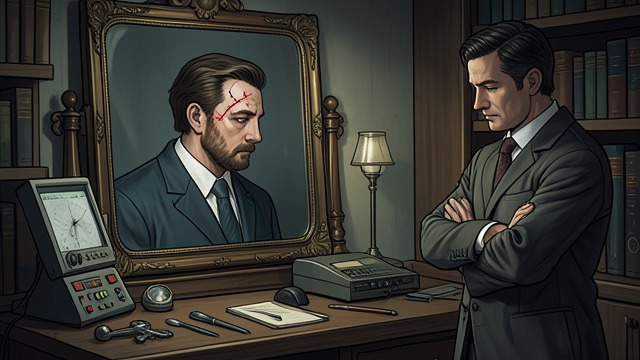
Seeing the Detail Too Late
A clue overlooked
The centered wound on Norton's forehead had seemed merely strange to Hastings. Poirot explains that his own need for symmetry dictated the shot.
A lesson in attention
The mark was visible throughout, but its meaning depended on knowing who fired and why. The novel distinguishes observation from interpretation: facts do not explain themselves without a willingness to question assumptions.
When Poirot refuses to name X to Hastings
On the wooded knoll after Hastings argues with Judith
During the shooting stars in Barbara's room
Late on the stormy night Norton dies
After Hastings reads Poirot's explanation
