
The Nurse's Position in the Household
CurtainNurse Craven moves between professional duty, personal resentment, and romantic opportunity, becoming a key part of the misleading picture around Barbara's death.
increasing Bearing strength in each event
 decreasing
Bearing strength in each eventdecreasingThe Taciturn Attendant
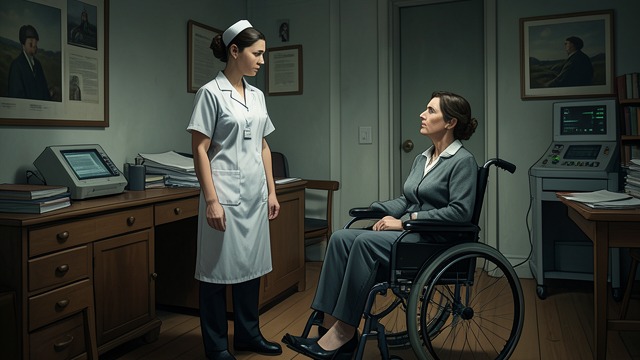
A Professional Presence
Composure around illness
Nurse Craven is attractive, reserved, and attentive to Barbara. She offers little at first, allowing others to speak freely in front of her.
A viewpoint from inside
Her work gives her knowledge of Barbara's habits, moods, and dependence. The nurse is therefore both caregiver and witness, but her professional role does not make her judgments neutral.
Judgment of the Patient

A Nurse's Resentment
Barbara called manipulative
Nurse Craven says Barbara uses illness to get her own way and describes Franklin as trapped by a wife who does not understand him. She speaks with sharp confidence about the marriage.
Sympathy has limits
Her irritation reflects the labor of constant attendance as well as personal dislike. The household hears her account as informed, though it can also misdirect suspicion toward Barbara or Franklin.
The Denied Day Off
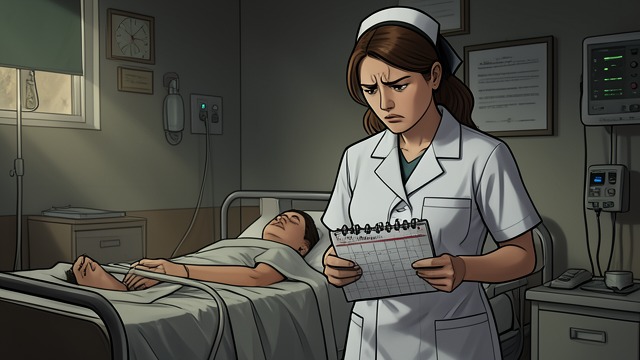
A Nurse Kept at Work
A small grievance
Barbara's demands prevent Nurse Craven from taking a promised day off to see friends. She becomes sour and openly critical of her patient's many symptoms.
A clue to other relationships
The lost day helps Poirot reconstruct why Allerton's London arrangement mattered. Nurse Craven had a separate life and romantic connection that Hastings did not suspect.
Attraction to Boyd Carrington
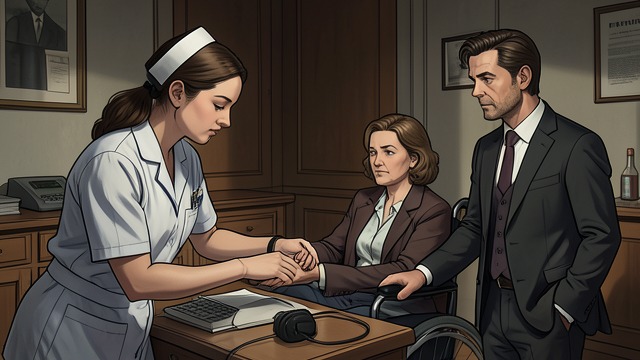
The Palm-Reading Scene
An unexpected intimacy
Hastings finds Nurse Craven examining Boyd Carrington's palm in Barbara's room. Barbara reacts sharply and immediately assigns the nurse tasks.
A possible rival
The scene suggests that the nurse's attention may be shifting toward the wealthy baronet, who has already noticed her. Poirot later sees this attraction as one reason Barbara may have acted sooner than planned.
The Affair Revealed

The Woman in the Summerhouse
Allerton's other relationship
Poirot explains that the woman Allerton planned to meet in London was Nurse Craven, not Judith. Hastings's assumptions turned the real affair into evidence for an imagined danger to his daughter.
A supporting role, not the central crime
Nurse Craven's romantic choices influence the social atmosphere and Barbara's urgency, but she is not identified as the killer. Her story shows how several private plots can mislead the investigator at once.
When Hastings first meets her in Barbara's room
During her conversation with Hastings near the laboratory
On the day before Barbara's death
After Barbara's shopping trip, when Hastings returns her parcels
In Poirot's posthumous account
