
The Instruments of Poison
CurtainPoison repeatedly crosses the line between research, medicine, accidental death, and murder, turning ordinary containers and scientific knowledge into unstable evidence.
increasing Bearing strength in each event
 decreasing
Bearing strength in each eventdecreasingResearch in the Laboratory
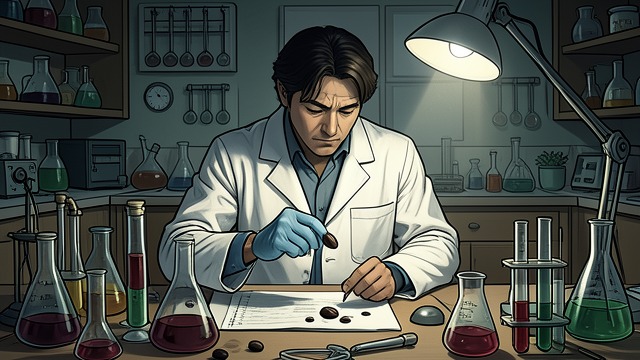
Science Beside Danger
Experimental substances
Franklin studies alkaloids from the Calabar bean, testing how one substance may counteract the effects of others. The laboratory contains scientific promise and dangerous material in close proximity.
Knowledge without moral certainty
His work is not inherently criminal, but it supplies means and explanations that can be used by others. The same substance can belong to research, self-experimentation, or an attempted killing.
Allerton's Sleeping Tablets
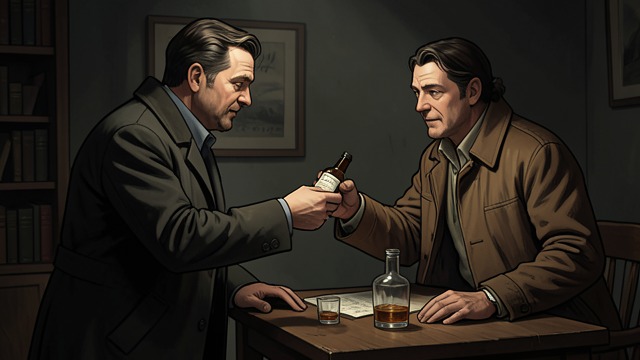
A Drug Offered Casually
A convenient remedy
Allerton gives Hastings Slumberyl and explains that its toxic dose is close to the effective dose. Hastings hears the danger but accepts the tablets.
Knowledge turned against its owner
The same drug later becomes part of Hastings's plan to poison Allerton. A casual exchange about medicine supplies both the means and a false sense of technical competence.
The Aspirin Substitution
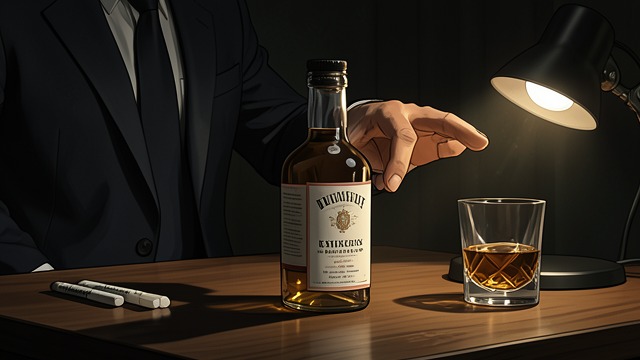
A Bottle Made to Look Normal
Concealed replacement
Hastings removes eight Slumberyl tablets and replaces them with aspirin, leaving the bottle apparently unchanged. He plans to dissolve the sleeping medicine in a drink.
A crime assembled from objects
The bottle, tablets, and whisky embody the transition from anger to intent. Poirot later points out that fingerprints and chemical analysis would have made Hastings's precautions inadequate.
Calabar Poison in the Coffee
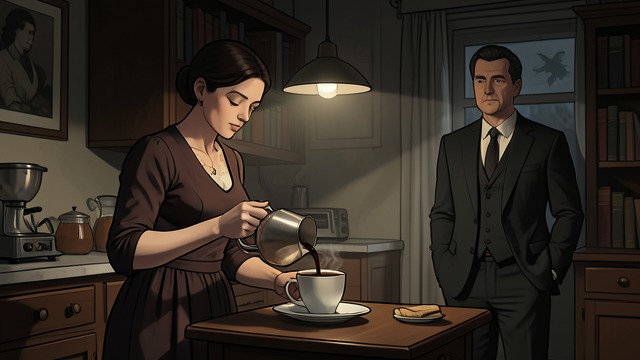
Science Leaves the Laboratory
A prepared dose
Barbara uses the Calabar-bean alkaloid solution in a plan against Franklin. The scientific substance is carried into domestic life and placed in a drink.
A changed destination
The exchange of cups directs the poison back to Barbara. Chemical knowledge explains the cause of death but not the intention behind it, which remains hidden by the suicide verdict.
Poisons as Moral Evidence
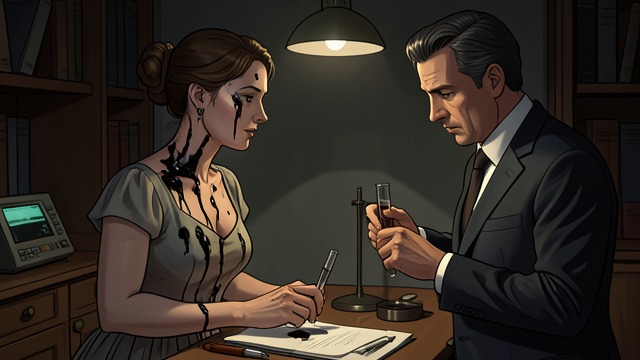
The Substance Does Not Test Motive
Chemistry establishes cause
Medical evidence identifies physostigmine and related alkaloids in Barbara's body. The analysis proves poisoning but cannot establish whether the poison was taken by accident, suicide, or another person's design.
Evidence needs interpretation
Poirot uses testimony to shape an official suicide finding while privately recognizing murder. The poison can reveal what happened biologically without settling who intended what.
During Hastings's tour of Franklin's studio
On Hastings's sleepless night
Late at night, before Poirot summons Hastings
On the evening Barbara Franklin dies
Across the inquest and Poirot's final explanation
