
The Women Misjudged by Hastings
CurtainHastings's old-fashioned expectations repeatedly lead him to misread Judith, Barbara, Nurse Craven, and Elizabeth, while the women retain motives and knowledge beyond his view.
increasing Bearing strength in each event
 decreasing
Bearing strength in each eventdecreasingJudith's Reserve
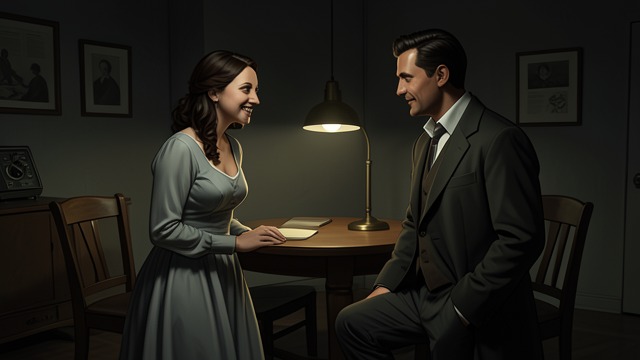
Love Without Display
A daughter hard to read
Judith greets Hastings without a kiss, but her shy smile tells him she is pleased to see him. He loves her while acknowledging that her guarded nature has always worried him.
A father's interpretive gap
He tends to read reserve as secrecy and intensity as danger. That gap becomes important when he later mistakes her real feelings and nearly intervenes disastrously.
Barbara as a Fool
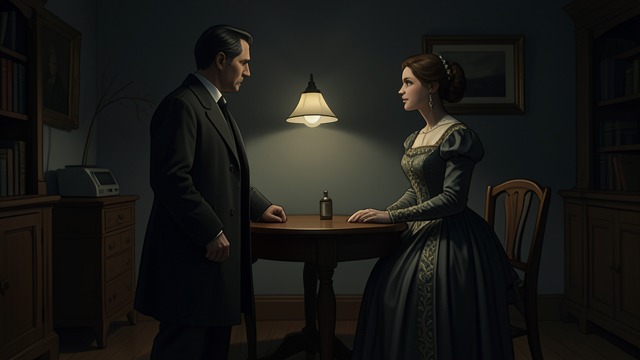
A Woman Reduced to a Type
Hastings's first impression
Hastings sees Barbara as frail, feckless, and given to dramatizing her health. Her manner makes him dismiss her intelligence and assume she is simply difficult.
A concealed plan
Poirot later reconstructs Barbara as ambitious and deliberate, capable of planning Franklin's poisoning. Hastings's limited estimate of her helps him overlook the danger beneath her performances.
Nurse Craven's Voice
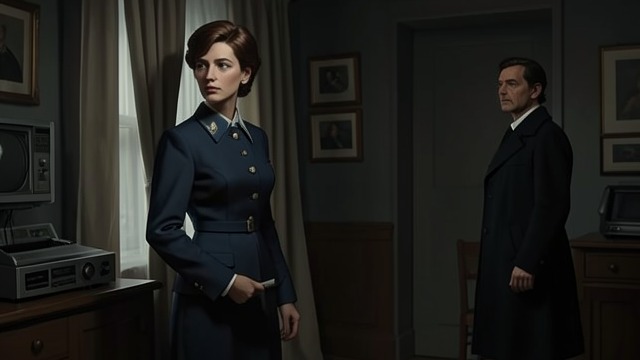
A Professional Judged by Appearance
Attractive and arch
Hastings notices Nurse Craven's beauty and lively manner, while also hearing her harsh criticism of Barbara. He does not yet see how her private relationships shape her concerns.
The risk of easy categories
His responses treat her as a familiar type of attractive nurse rather than a person with her own desires and frustrations. Later revelations show that she has a separate romantic story beyond the household's assumptions.
Elizabeth's Supposed Defeat
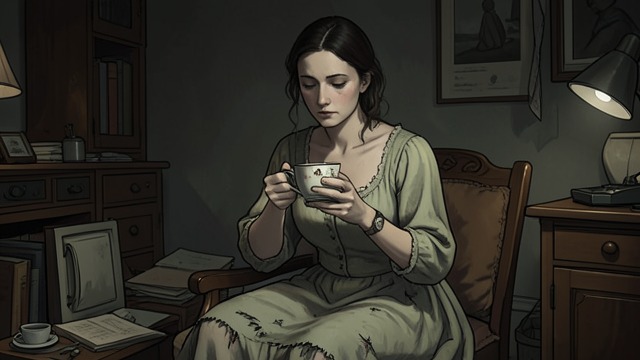
A Woman Who Calls Herself Maimed
A history of confinement
Elizabeth tells Hastings that her father controlled his daughters and that her sister confessed to killing him. She describes herself as damaged by what happened.
A future she cannot imagine
Hastings sees her sadness but does not yet know that the confession was false. Her self-understanding has been shaped by a public story that Poirot will later dismantle.
Judith Seen Clearly at Last

The Daughter Behind the Performance
Love and independence
Poirot explains that Judith loved Franklin and used Allerton as a distraction, not as a serious lover. Her anger at Hastings came from his mistaken sympathy and intrusion.
Trust replaces control
Hastings learns that Judith could face difficult choices without his direction. Poirot's request that he trust her becomes a final correction to the father's habit of interpreting her from the outside.
At their first meeting in Poirot's room
During Hastings's early conversations about the Franklin household
During Hastings's conversation near the garden laboratory
During their conversation in the summerhouse
In Poirot's final explanation
