
The Unreliable Witness
CurtainWitnesses at Styles report sincere impressions that are incomplete, mistaken, or deliberately shaped, making testimony itself part of the plot's machinery.
increasing Bearing strength in each event
 decreasing
Bearing strength in each eventdecreasingHastings's Dinner Observations
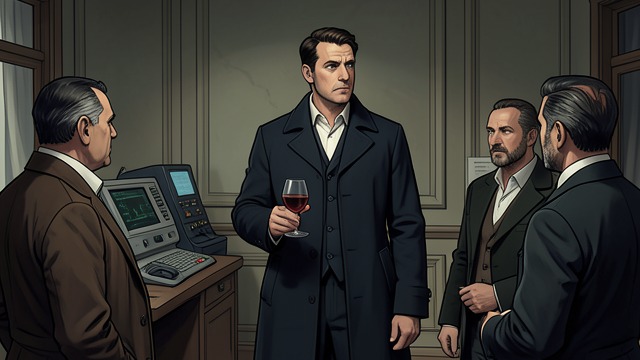
A Suspect List Built from Impressions
Character as evidence
Hastings studies the guests and dismisses some as too harmless while suspecting Allerton because he dislikes him. His judgments feel decisive despite their weak factual basis.
The narrator's limitation
The investigation is filtered through Hastings's assumptions. His account is honest, but honesty does not prevent him from overlooking motives or mistaking one person's behavior for another's.
The Reported Shooting
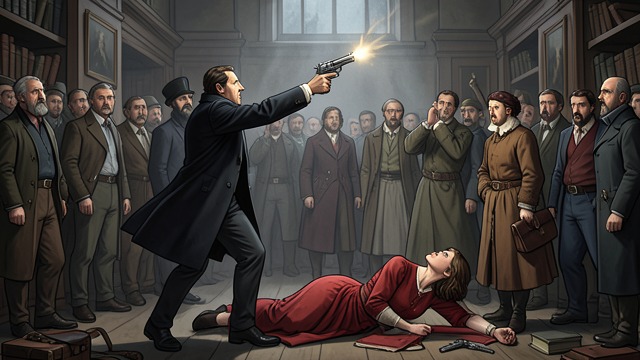
One Shot, Several Stories
A clear event, uncertain intent
Hastings sees George fire his rifle and Daisy fall. The physical action is unmistakable, but whether the shot was accidental, manipulated, or deliberate remains contested.
Testimony shaped by context
The argument beforehand, the sight of movement in the grass, and George's later tenderness all influence interpretation. The event illustrates that a witness can accurately report what happened without knowing why.
Poirot's Inquest Evidence
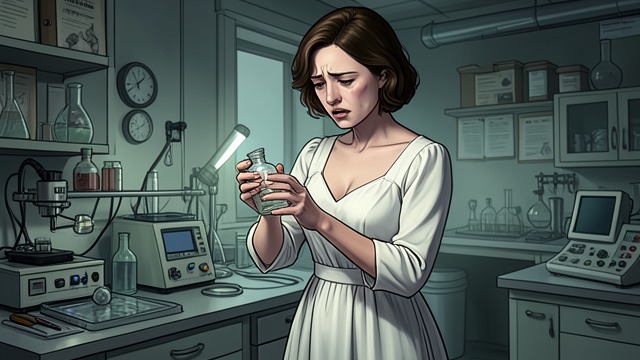
A Witness Gives Weight to One Story
A bottle remembered
Poirot says he saw Barbara leave the laboratory holding a small bottle. He also emphasizes her earlier statements about despair and wanting to end her life.
Deliberate selectivity
He has not invented every detail, but he makes the suicide interpretation persuasive by choosing what to stress. His evidence demonstrates how a credible witness can steer a jury without telling the whole truth.
The Locked-Room Witness
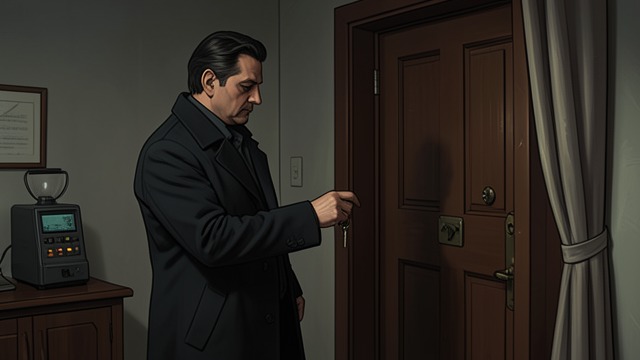
A Confident Mistake
What Hastings believes
Hastings identifies the figure by clothing, hair, and gait, then hears the key turn. He has not seen a face but treats his conclusion as certain.
Poirot's use of trust
The staged figure is Poirot, and the witness's confidence helps make the room appear locked from within. Hastings's testimony becomes part of a murderer's evidence rather than a safeguard against deception.
The Manuscript as Counter-Testimony
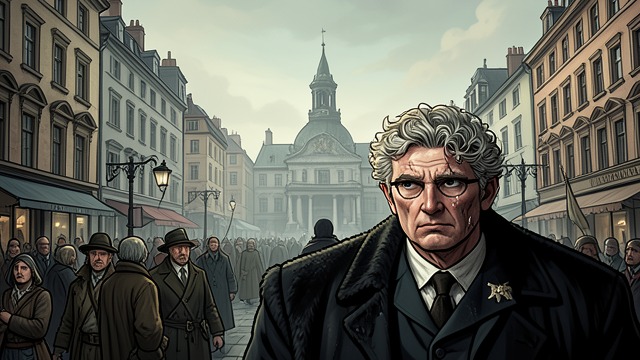
A Late Corrective Account
The missing perspective supplied
Poirot's manuscript revisits the events from the perspective of the concealed actor. It explains what Hastings saw, what he failed to see, and how his sincere testimony was used.
Truth after its author is gone
The record resolves the puzzle but cannot be tested against Poirot in person. Hastings accepts the account, recognizing that trustworthy narration and complete knowledge are not the same thing.
At the first dinner after his arrival
At the moment Daisy is shot
Two days after Barbara's death
When Hastings sees the figure enter Norton's room
Four months after Poirot's death
