
Three Forms of False Innocence
CurtainThe novel juxtaposes people who seem guilty but are innocent, people who seem innocent but manipulate others, and a detective who knowingly accepts guilt.
increasing Bearing strength in each event
 decreasing
Bearing strength in each eventdecreasingA Suspect Acquitted

Legal Innocence, Public Suspicion
A trial without certainty
Mrs Etherington is acquitted because the evidence does not prove guilt beyond reasonable doubt. Yet the public continues to believe she poisoned her husband.
The cost of incomplete proof
Her life is damaged by suspicion, and she dies after an overdose. The case establishes the distance between a legal verdict and a community's conviction.
A Confessor Who Did Not Kill
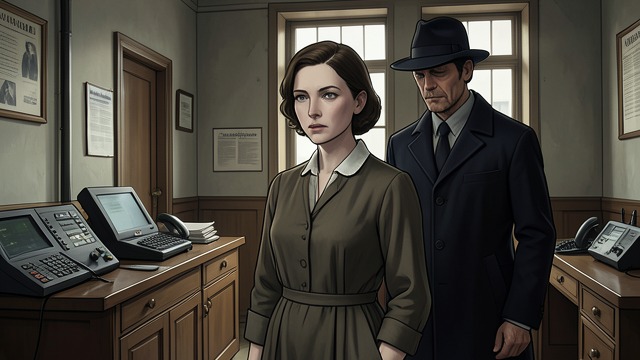
Confession as False Closure
Margaret accepts blame
Margaret Litchfield gives herself up for her father's murder and is committed to Broadmoor. Her confession seems to settle the case and explain her motive.
The hidden coercion
Poirot says Norton influenced her into that belief. Her confession is not reliable proof of authorship, and the cost of trusting it falls on Margaret and Elizabeth alike.
A Mild Man Who Is Guilty

Gentleness as Cover
A trusted presence
Norton appears considerate, quiet, and harmless. People confide in him because he seems to listen without judgment.
The concealed crime
His real role is to engineer other people's violent acts. His social innocence is not merely misleading appearance; it is the condition that allows his crimes to continue.
A Murderer Who Confesses

Norton Accepts the Name
No denial offered
When Poirot confronts Norton with his interpretation, Norton does not deny his influence. He smirks and treats the detective's accusation as an amusing challenge.
Confession without court
The admission occurs privately and cannot become public evidence. Poirot's certainty is strong, but the law has no opportunity to test it before he chooses to kill.
Poirot's Own Admission
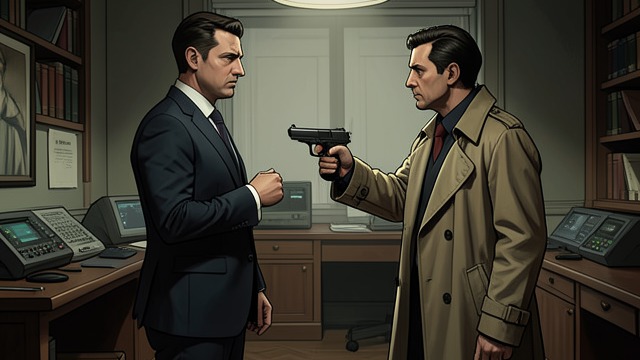
Guilt Accepted, Judgment Withheld
A detective names his act
Poirot openly tells Hastings that he murdered Norton. He does not disguise his action as accident or mistake.
The question remains
He believes he saved innocent lives, yet admits he does not know whether his act was justified. The final confession refuses the comfort of either perfect innocence or unquestioned justice.
In Poirot's account of the Etherington case
When Poirot discusses the Litchfield case
During Poirot's reconstruction of Norton's character
In Poirot's manuscript explaining the confrontation
At the close of the manuscript
